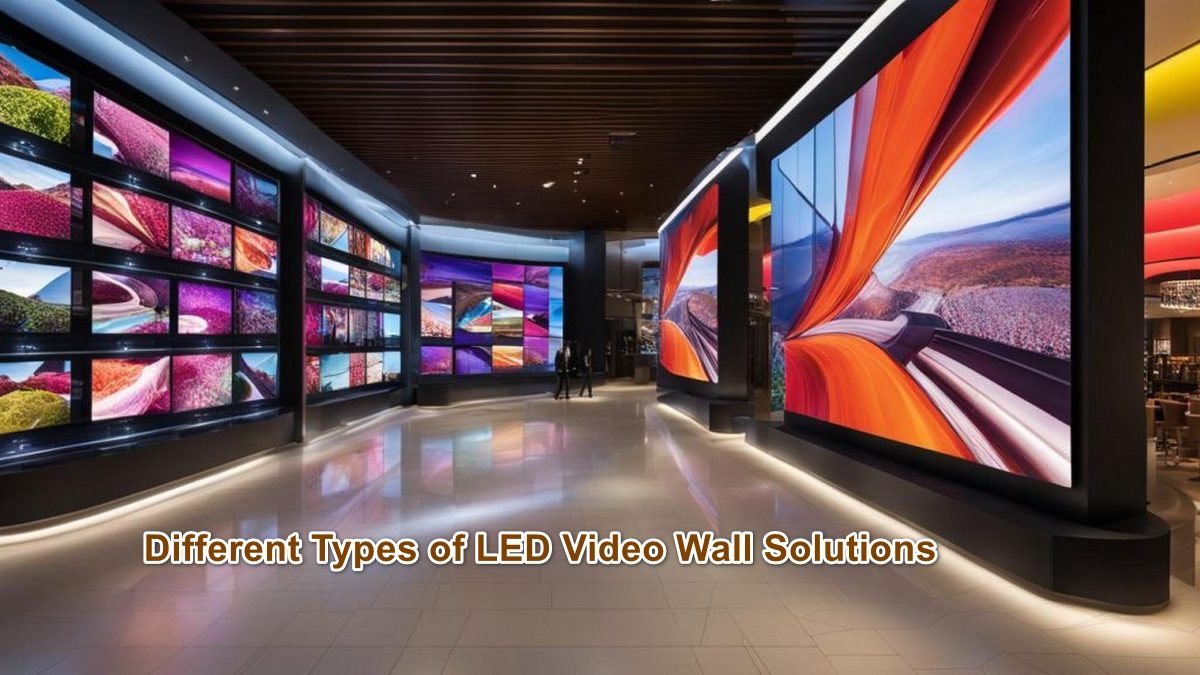
LED video walls have become a centerpiece of modern communication and marketing strategies. Businesses around the world are increasingly turning to large-scale, high-resolution displays to deliver dynamic content that captures attention, engages audiences, and drives sales. However, with so many options on the market, it can be challenging to determine which solution is best suited for a specific space, audience, or budget. In this article, we will explore the Different Types of LED Video Wall Solutions, how they differ, and what to consider when selecting the right solution for your business.
Introduction to LED Video Walls
LED video walls are composed of multiple LED panels seamlessly integrated to display one large, continuous image. Unlike traditional screens, LED walls offer brightness, flexibility, and scalability that make them ideal for both indoor and outdoor environments. From retail stores to corporate offices, airports, sports arenas, and control rooms, the versatility of LED video walls has made them a go-to solution for businesses seeking to create a memorable visual experience.
But before investing, it’s essential to understand the Different Types of LED Video Wall Solutions and their unique advantages, as well as how they can fit into varying budgets.
1. Indoor LED Video Walls
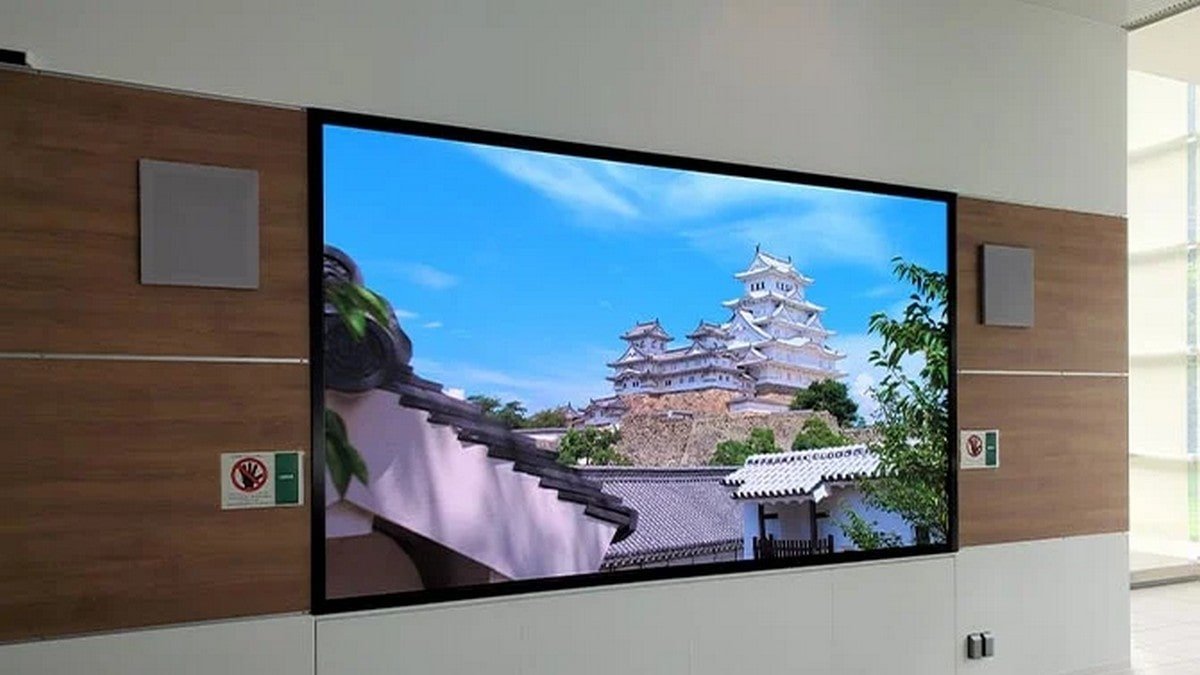
Indoor LED video walls are designed specifically for interior environments where lighting conditions are controlled. They typically feature a smaller pixel pitch, meaning the distance between individual LEDs is tighter, resulting in higher resolution and sharper images from closer viewing distances.
Indoor solutions are commonly found in:
-
Corporate lobbies
-
Conference rooms
-
Retail displays
-
Museums and exhibitions
One key advantage of indoor LED walls is their ability to display highly detailed content that grabs attention in close quarters. These walls are excellent for showcasing branding, video content, live streams, and interactive displays without overwhelming the audience.
Interestingly, when deciding between digital signage options, companies often consider The Cost Difference Between Print and Digital Signage to justify their investment in LED walls. While the upfront cost of a video wall is higher than printing posters or banners, the long-term benefits in engagement and flexibility outweigh the initial expenditure.
 2. Outdoor LED Video Walls
Outdoor LED video walls are built to withstand environmental elements like sunlight, rain, and temperature variations. These walls are brighter than indoor models, ensuring visibility even under direct sunlight, and often use weatherproof casings to protect the components.
Typical applications include:
-
Billboards and advertising screens
-
Stadium scoreboards
-
Outdoor event stages
-
Transit hubs
The main consideration for outdoor walls is durability. They need to maintain image quality over time while handling exposure to the elements. Brands looking to maximize visibility and impact for outdoor campaigns find these solutions invaluable, despite a higher initial investment.
3. Fine-Pitch LED Walls
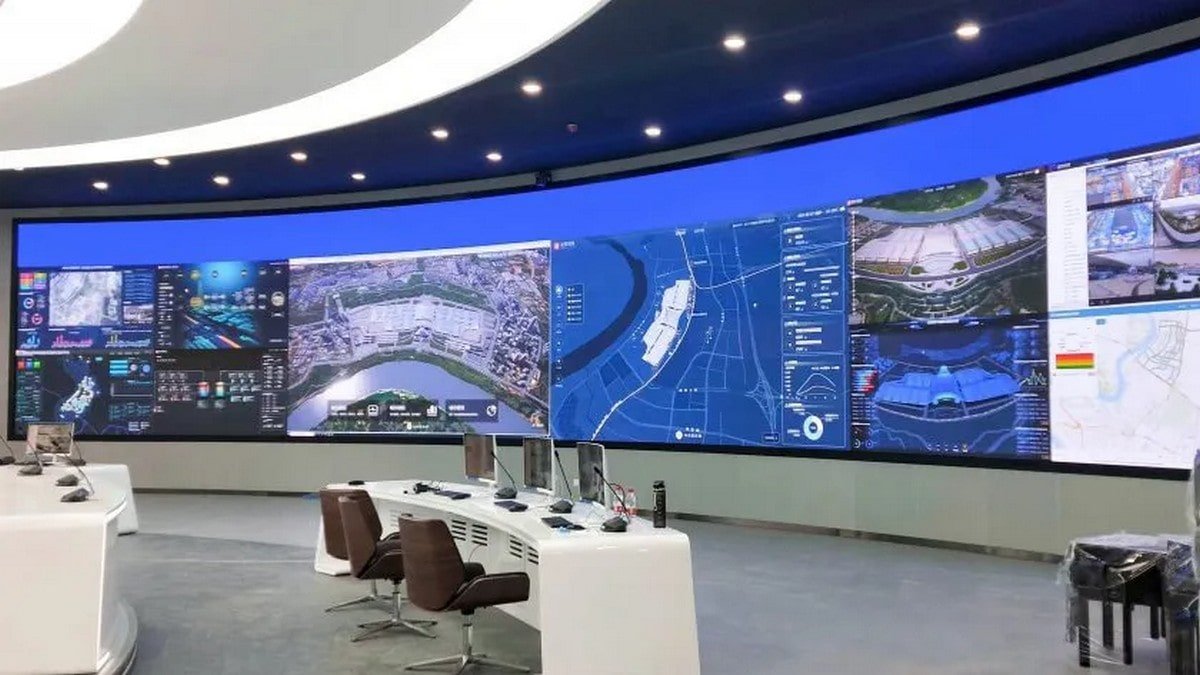
Fine-pitch LED walls are designed for ultra-high resolution, offering a tighter pixel pitch than standard indoor LED walls. These solutions are ideal for environments where viewers are close to the screen and require clear, crisp images, such as:
-
Control rooms
-
Broadcast studios
-
Luxury retail spaces
Fine-pitch walls deliver unparalleled detail, making them perfect for presentations, live events, and digital signage applications that demand precision. While costlier than standard walls, fine-pitch solutions provide superior image quality that can elevate the professional appearance of any space.
 4. Rental and Modular LED Walls
Modular LED walls are designed with flexibility in mind. They can be rented or reconfigured for temporary events, exhibitions, and trade shows. Rental solutions are perfect for businesses that don’t require permanent installation but want the impact of a large-scale digital display.
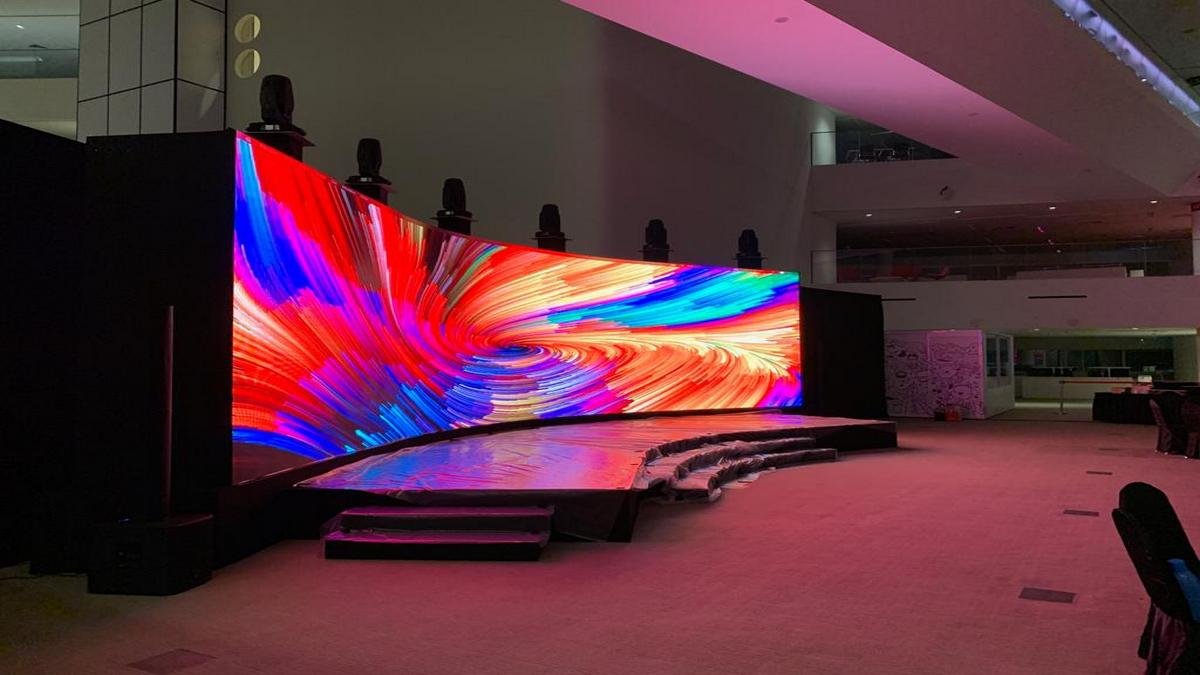
These walls are lightweight, easy to transport, and allow for creative configurations such as curved or angled installations. Many event managers rely on this type of wall to create immersive experiences without long-term commitments.
5. Curved and Custom-Shaped LED Walls
Beyond standard flat panels, modern LED video walls can be customized into curved, cylindrical, or even irregular shapes. This adaptability allows businesses to create visually striking displays that fit unique spaces, such as:
-
Architectural installations
-
Museums and galleries
-
Themed retail environments
Custom LED solutions are particularly valuable for companies seeking to differentiate themselves visually and enhance brand recognition. By using advanced configurations, businesses can create displays that are memorable and interactive.
 Technology and Hardware Considerations
When exploring Different Types of LED Video Wall Solutions, it’s essential to understand the underlying technology. Selecting the right components, including media players, display controllers, and operating systems, significantly affects performance and longevity.
For example, companies often compare Tizen vs webOS vs BrightSign to determine the best platform for their content management needs. Each option offers distinct advantages in terms of stability, compatibility, and user-friendliness. A well-chosen platform ensures seamless operation, reduced downtime, and better overall ROI for your video wall investment.
Addressing Technical Challenges
Despite their many advantages, LED video walls can face technical challenges. Common issues include color calibration, panel alignment, software glitches, and connectivity problems. Businesses can proactively manage these risks by understanding Common technical problems with digital displays and implementing preventive maintenance schedules.
Proactive monitoring, regular software updates, and reliable installation practices are key to ensuring consistent performance and avoiding costly disruptions.
Selecting the Right Display
Choosing the appropriate display type and size is crucial for achieving the desired impact. Factors such as viewing distance, audience size, and ambient lighting all influence the decision. When considering Choosing the Right Digital Signage Display, businesses should evaluate the trade-off between resolution, cost, and pixel pitch to find the solution that fits their space and budget.
Additionally, quality commercial-grade panels reduce maintenance needs and extend the lifespan of the installation, further optimizing long-term value.
Budgeting and Cost Considerations
One of the most common questions businesses have when exploring Different Types of LED Video Wall Solutions is cost. Prices vary depending on:
-
Pixel pitch
-
Size of the wall
-
Indoor vs outdoor specification
-
Additional features like touch interactivity or custom shapes
While LED walls require higher upfront investments than traditional signage, they provide significant long-term benefits, including lower content update costs, increased engagement, and better scalability. Comparing these advantages to traditional print campaigns often clarifies the financial justification for investing in digital video walls.
Applications Across Industries
Different industries benefit from specific types of LED solutions:
-
Retail: Indoor and fine-pitch walls showcase promotions and interactive content.
-
Corporate: Large indoor walls in lobbies and boardrooms communicate company messages and achievements.
-
Entertainment & Events: Modular and rental walls deliver immersive experiences at concerts, trade shows, and exhibitions.
-
Transportation: Outdoor walls provide dynamic information for passengers in airports, train stations, and bus terminals.
Understanding which type of wall suits each environment ensures maximum ROI and visual impact.
Scalability and Future-Proofing
Scalability is another advantage of digital LED solutions. Once a video wall system is installed, adding new panels or expanding the wall is relatively straightforward. This flexibility reduces costs associated with redesigns or replacements and allows businesses to adapt as their spatial or content requirements evolve.
Moreover, digital walls can integrate with analytics, scheduling software, and remote content management, making them future-proof for evolving marketing and operational needs.
Conclusion
LED video walls are transforming the way businesses communicate, engage, and display content. By understanding the Different Types of LED Video Wall Solutions, including indoor, outdoor, fine-pitch, modular, and custom configurations, companies can select the most appropriate solution for their space and budget.
With careful consideration of technology, hardware, and cost factors, LED walls deliver superior visual impact, scalability, and long-term value compared to traditional signage. Whether for corporate lobbies, retail environments, events, or public spaces, investing in the right LED solution can enhance brand presence, captivate audiences, and optimize marketing outcomes.