Managing digital signage screens across multiple locations can quickly become overwhelming. From updating daily promotions to showcasing new media, content management often consumes significant time and resources. This is where Digital Signage Content Automation comes in — a game-changing solution that allows businesses to maintain dynamic, engaging displays effortlessly. By leveraging MRSS (Media Really Simple Syndication) and JSON feeds, companies can automate content updates, saving time while keeping screens fresh and relevant.
Understanding Digital Signage Content Automation
Digital Signage Content Automation refers to the process of automating the delivery and updating of content on digital screens without requiring manual intervention. Traditional digital signage often relies on manually uploading videos, images, or other media files to each screen, which can be time-consuming and prone to errors. To explore professional solutions, check out our Digital Signage Display services. Automation using MRSS and JSON feeds eliminates this burden, enabling displays to fetch content directly from external sources.
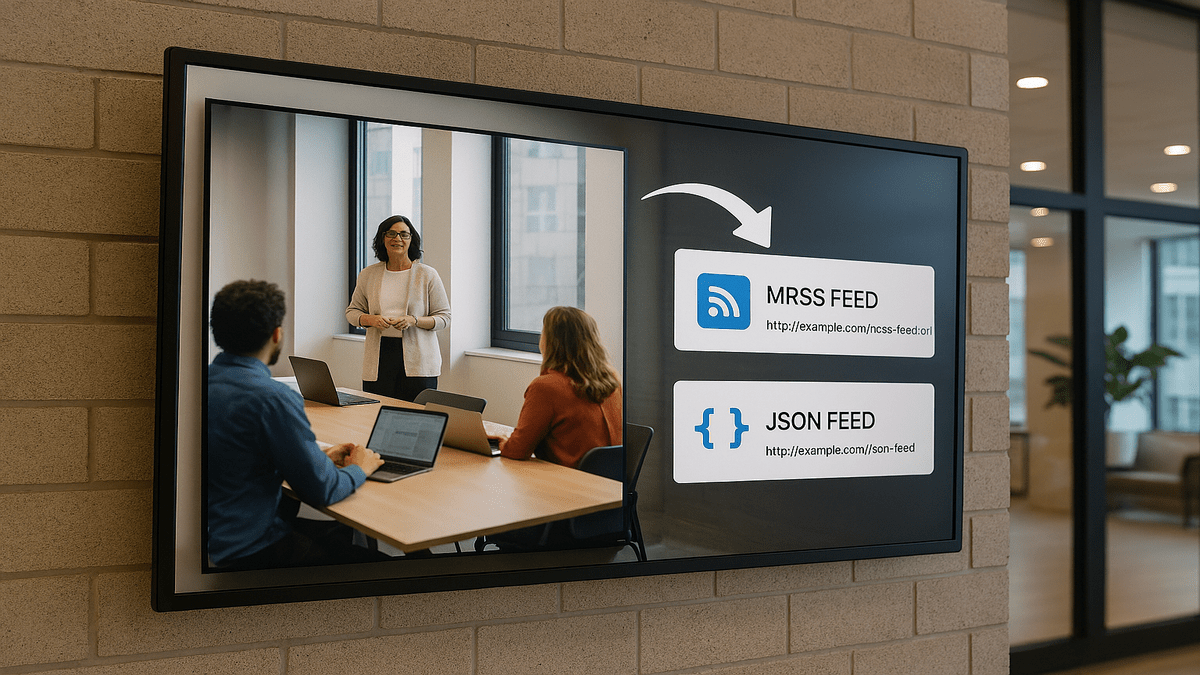
MRSS feeds are especially useful for multimedia content. Unlike standard RSS feeds, MRSS supports video, images, and audio, allowing digital signage systems to update their content automatically as the source feed changes. Similarly, JSON feeds provide a flexible way to structure media content, making it compatible with a variety of platforms and external systems.
How MRSS and JSON Feeds Work
To implement Digital Signage Content Automation, MRSS and JSON feeds work in tandem to provide seamless updates:
-
Media RSS (MRSS): MRSS allows you to link a feed URL directly to your digital signage system. Each time the feed updates, the new media is automatically displayed. This is ideal for businesses that rely on frequently changing content such as news, promotions, or event schedules.
-
Dynamic JSON Feeds: JSON feeds work similarly but are more flexible for developers or advanced content managers. A JSON file containing links to images, videos, or other media can be hosted on any server. Once linked to the signage system, it ensures that the latest content appears instantly on screens without manual intervention.
Both methods ensure that your content stays up-to-date with minimal effort, supporting real-time updates and consistency across multiple locations.
Benefits of Digital Signage Content Automation
There are several advantages of adopting Digital Signage Content Automation in business environments:
-
Time Efficiency: With automation, there’s no need to manually upload media to every display, freeing staff to focus on strategic tasks.
-
Consistency: Automated feeds guarantee that all screens display the same content, avoiding discrepancies or outdated information.
-
Scalability: Adding new screens or locations is straightforward since content is delivered automatically from the central feed.
-
Engagement: Fresh and relevant content maintains audience interest and improves the effectiveness of promotional campaigns.
For example, hospitality venues using LED Displays for Hotels can now update welcome messages, promotional videos, and restaurant menus automatically, ensuring guests always receive the latest information without manual updates.
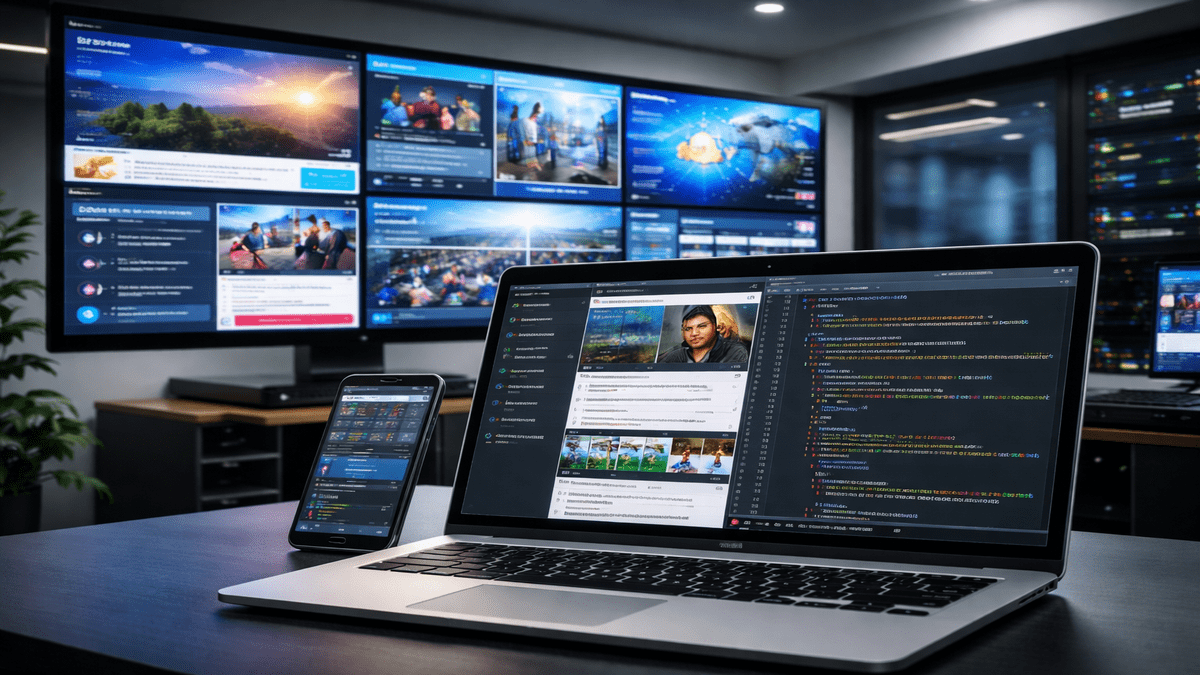
Implementing MRSS and JSON Feeds
Implementing Digital Signage Content Automation requires careful planning. Here’s a simple step-by-step guide:
-
Prepare the Feed: Whether MRSS or JSON, ensure that your content source is structured correctly, with accessible media links.
-
Host the Feed: Make your feed publicly available on a secure server with HTTPS for reliability.
-
Connect the Feed to Your Signage System: Use the digital signage platform’s MRSS or JSON feed integration to link your feed.
-
Set Refresh Intervals: Configure automatic updates at suitable intervals, typically every 10–15 minutes.
-
Monitor and Optimize: Periodically review content performance and update the feed as needed for optimal engagement.
Businesses using LED Stadium Displays can benefit significantly from this approach, especially during live events where content like scores, advertisements, or announcements need to be updated instantly.
Practical Applications Across Industries
Digital Signage Content Automation is versatile and applicable across various industries:
-
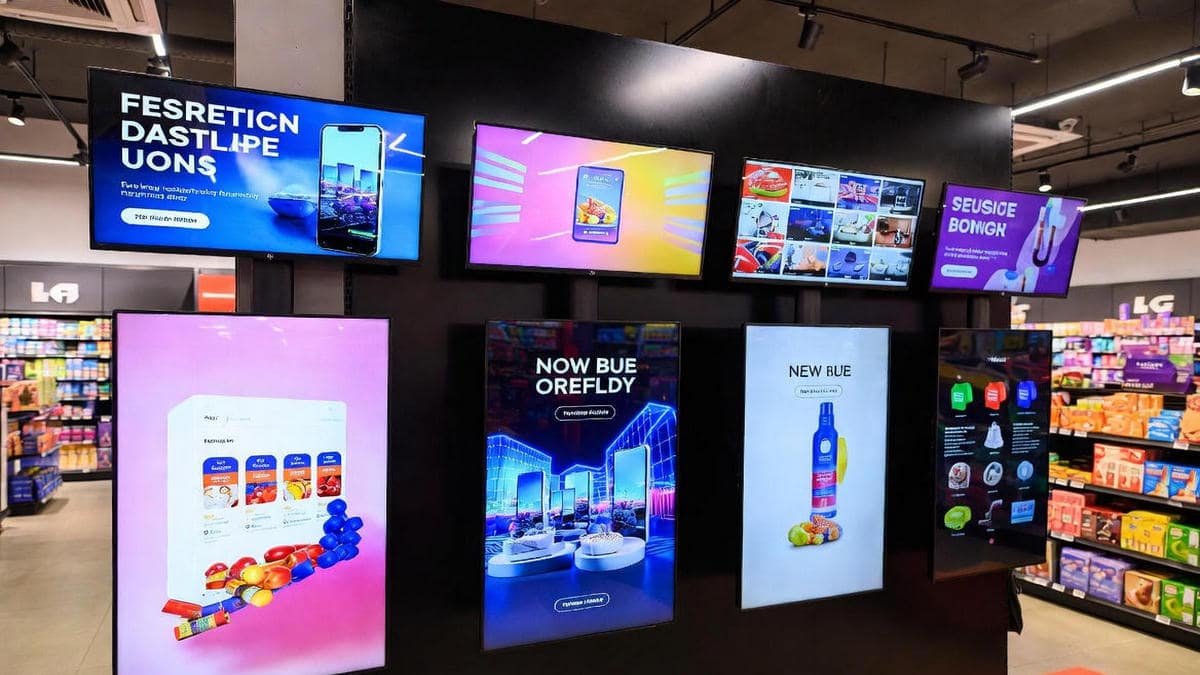
Retail: Display rotating product images or special offers on multiple in-store screens using automated feeds.
-
Hospitality: Update menus, promotions, and guest messages automatically on digital hotel screens.
-
Corporate: Ensure internal communications, updates, and dashboards remain current across offices.
-
Education: Educational institutions can broadcast announcements, schedules, and event highlights efficiently.
Furthermore, there are innovative ways to leverage signage in architectural spaces. Businesses exploring Ways to use LED ceiling screens can integrate automated content feeds to display live news, corporate dashboards, or interactive visualizations, creating immersive environments with minimal management.
Enhancing Audience Engagement
One of the key advantages of Digital Signage Content Automation is its role in improving engagement. When screens consistently display fresh content, viewers are more likely to pay attention. By combining automation with strategies like Audience Targeting in Digital Signage, businesses can personalize content for specific demographics, locations, or customer behaviors. This approach ensures that the right message reaches the right audience at the right time, maximizing the return on investment in digital displays.
Challenges and Considerations
While the benefits are clear, implementing Digital Signage Content Automation requires attention to potential challenges:
-
Feed Reliability: Ensure MRSS or JSON feeds are consistently updated and accessible.
-
Content Quality: Automated updates require high-quality media to maintain a professional appearance.
-
Platform Compatibility: Verify that your digital signage system fully supports MRSS and JSON feed integration.
Addressing these factors early ensures a smooth and effective automation process.
Future of Digital Signage
The future of digital signage is undoubtedly tied to automation. As businesses continue to expand their use of displays, the demand for efficient, self-updating systems grows. Integrating AI and analytics with Digital Signage Content Automation can further enhance targeting, engagement, and operational efficiency. Businesses can track viewer responses and optimize feeds dynamically, making signage not just informative but strategically intelligent.
By adopting automated content strategies, companies gain a competitive edge. For example, venues exploring Ways to use LED ceiling screens or stadiums deploying LED Stadium Displays can now manage hundreds of screens from a single source, updating campaigns or announcements instantly and accurately.
Conclusion
Digital Signage Content Automation using MRSS and JSON feeds transforms the way businesses manage their displays. From saving time and reducing manual workload to ensuring that content is always fresh and engaging, automation offers a practical and strategic advantage. Industries such as retail, hospitality, education, and corporate offices can all benefit from streamlined, hands-free content management.
Embracing Digital Signage Content Automation ensures that your screens remain relevant, engaging, and efficient, helping your business communicate effectively with every audience.