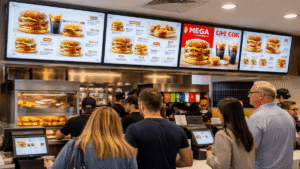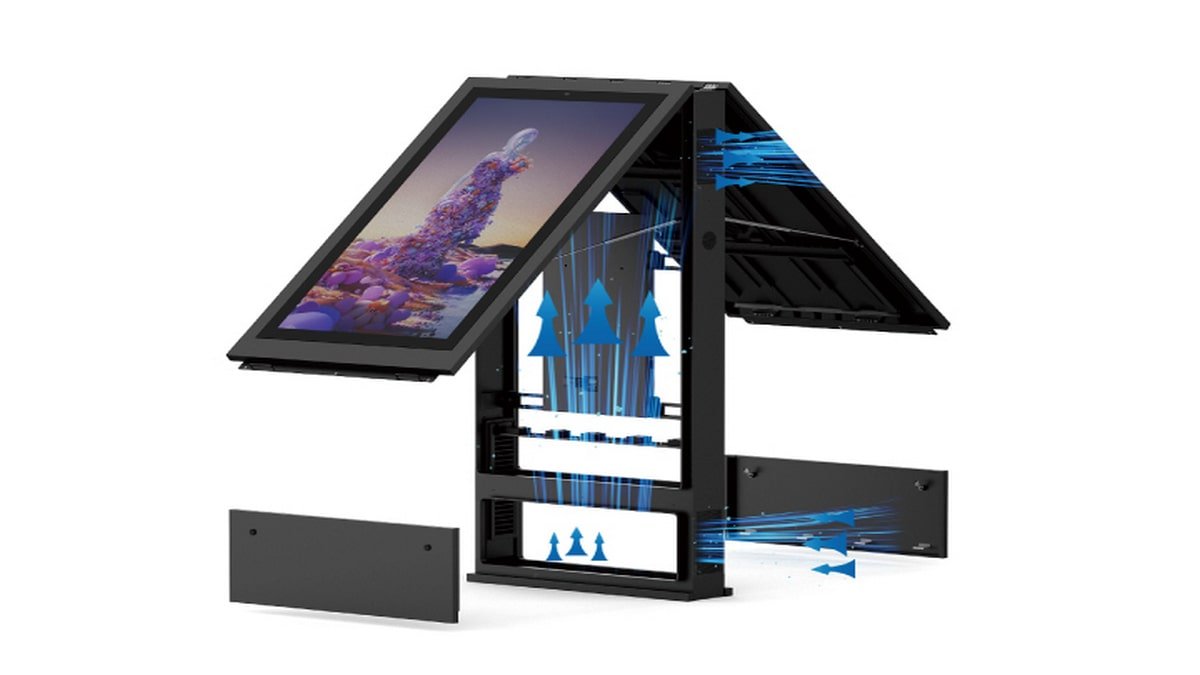
Digital signage has become an essential tool for businesses, educational institutions, and public spaces around the world. With the increasing adoption of high-brightness displays, LED panels, and interactive digital screens, one of the biggest challenges facing operators is maintaining optimal temperatures. Effective Digital Signage Cooling is crucial not only for prolonging the life of displays but also for ensuring consistent performance and reliability. In this comprehensive guide, we will explore the best strategies for optimizing cooling, different methods available, and practical tips to prevent overheating.
Understanding the Importance of Digital Signage Cooling
Digital signage systems generate a significant amount of heat during operation. Overheating can lead to several issues including screen flickering, color distortion, and in severe cases, permanent damage to electronic components. Implementing proper Digital Signage Cooling techniques ensures that displays remain at optimal operating temperatures, reducing downtime and maintenance costs. This is particularly important in outdoor environments, where exposure to direct sunlight can drastically increase internal temperatures.
Interestingly, Digital Teaching with Interactive Panels has benefited from optimized cooling. Schools using interactive panels have reported longer device lifespans and reduced operational failures simply by implementing better heat management strategies. This demonstrates that proper cooling isn’t just a technical concern; it can also enhance user experience and reliability.
Types of Cooling Methods
1. Fan-Based Cooling
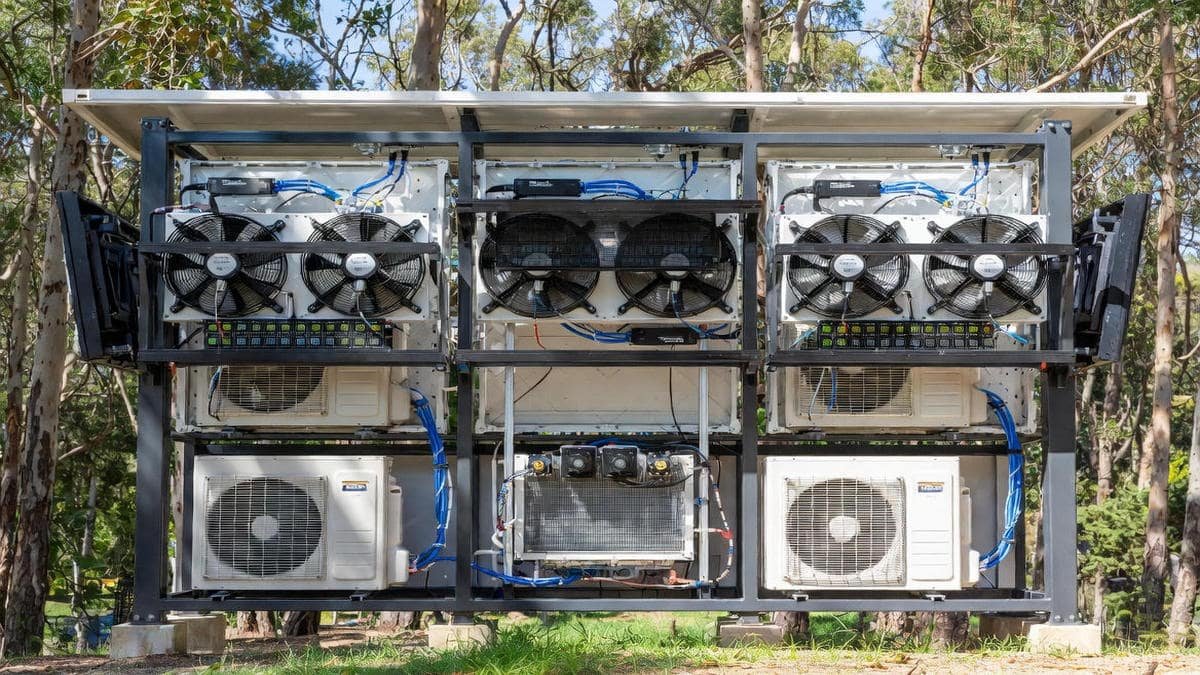
Fan-based cooling is one of the most common and cost-effective solutions. Fans circulate air across the internal components, helping dissipate heat. For indoor signage or controlled environments, this method often suffices. Advantages include lower energy consumption and minimal maintenance. However, fans are less effective in extremely hot climates and may require frequent cleaning to avoid dust accumulation.
2. Air Conditioning Units
Air-conditioned enclosures provide a more advanced form of Digital Signage Cooling. These systems use a refrigerant to cool the internal environment, offering protection against extreme temperatures and high humidity. While highly effective, they come with higher energy consumption and installation costs. Air-conditioned units are especially suitable for outdoor signage or high-performance LED walls in critical locations.
For example, many productions using Virtual Production with LED Walls depend on precise temperature control. Without advanced cooling solutions, the displays risk color distortion and hardware failures during long shooting sessions. Incorporating air-conditioning units or advanced thermal management ensures consistent quality in visual productions.
3. Heat Exchangers
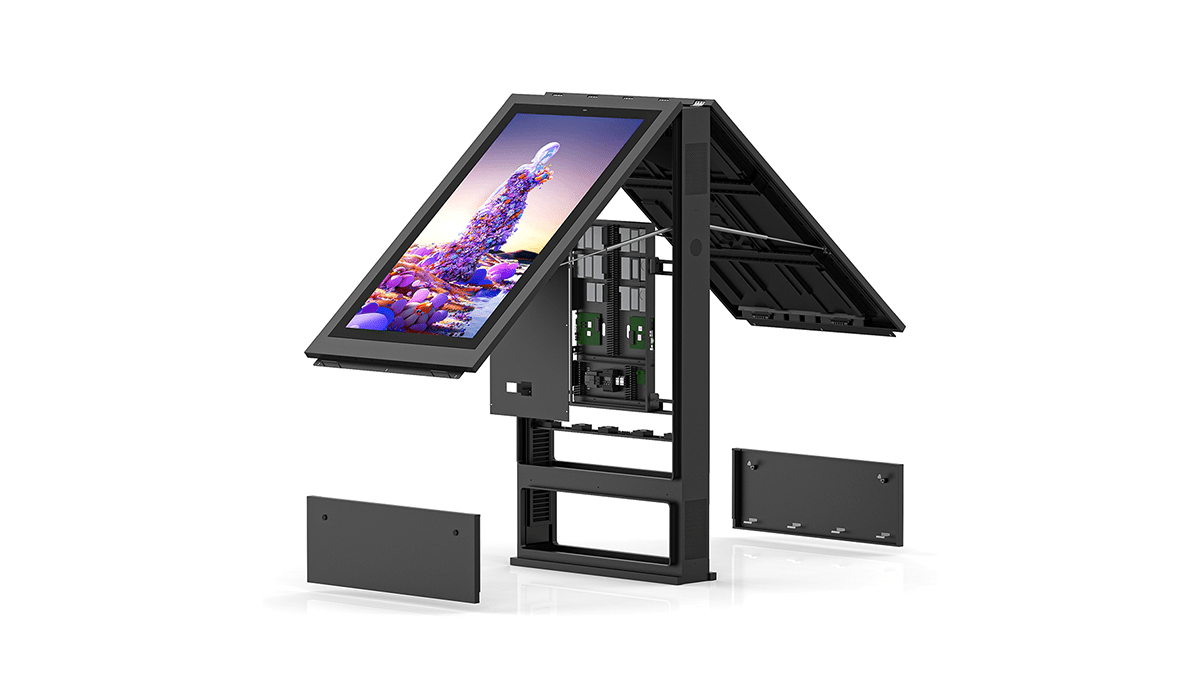
Heat exchanger systems combine the benefits of fans and sealed radiators to transfer heat out of the display enclosure. This method is highly energy-efficient, requires minimal maintenance, and offers excellent protection against dust and moisture. Heat exchangers are ideal for environments with moderate temperature fluctuations, providing reliable Digital Signage Cooling without the need for complex refrigeration.
4. Passive Cooling
Passive cooling relies on natural convection and conductive materials to dissipate heat. While it doesn’t require energy consumption or moving parts, passive cooling is suitable only for low-power displays or indoor units in climate-controlled spaces. Passive solutions can be combined with other methods for hybrid systems that maximize efficiency.
Key Factors in Choosing a Cooling Method
Environmental Conditions
The local climate plays a significant role in determining the right Digital Signage Cooling solution. Outdoor displays exposed to direct sunlight require robust systems, while indoor panels may function efficiently with fan-based or passive cooling.
Display Size and Brightness
High-brightness displays and large LED walls generate more heat. It’s important to match the cooling system to the thermal load of the screen. Failing to do so can lead to performance degradation, reduced lifespan, and higher energy costs.
Maintenance and Accessibility
Some cooling methods, like air-conditioning units and heat exchangers, require periodic maintenance. Operators must consider how easy it is to access the unit for servicing. Fan-based systems might need more frequent attention but are easier to maintain in most cases.
Interestingly, institutions that choose to Upgrade Old Digital Signage often take this opportunity to implement better cooling systems. By combining modern displays with advanced cooling, they reduce failures and improve energy efficiency.
Installation Location
Indoor vs. outdoor installation significantly affects cooling needs. Outdoor units must withstand dust, rain, and extreme temperatures, whereas indoor units typically face fewer environmental stresses. Proper enclosure selection, insulation, and ventilation are critical for effective Digital Signage Cooling.
Tips for Optimizing Digital Signage Cooling
-
Monitor Temperature Continuously: Installing temperature sensors allows real-time monitoring of internal conditions. Alerts can be configured to prevent overheating.
-
Regular Maintenance: Clean fans, vents, and heat exchangers to avoid dust accumulation that can block airflow.
-
Use High-Quality Enclosures: Properly sealed and insulated enclosures prevent heat build-up and protect components from external elements.
-
Plan for Redundancy: In high-value or mission-critical applications, consider backup cooling systems to prevent display failure.
-
Optimize Airflow: Ensure that vents and fans are not obstructed by walls, structures, or furniture. Adequate spacing improves efficiency.
-
Energy-Efficient Components: Use LED panels, energy-saving fans, and high-performance thermal materials to reduce heat generation and improve Digital Signage Cooling outcomes.
Industry Applications
Retail and Advertising
Retailers using outdoor or high-brightness displays rely heavily on effective Digital Signage Cooling. Without proper cooling, promotional content can appear distorted or fail entirely, impacting revenue and customer experience.
Education
In classrooms, Digital Teaching with Interactive Panels benefits from improved cooling solutions. Teachers and students experience fewer interruptions and longer-lasting equipment, contributing to a smoother educational workflow.
Crisis Communication
The role of The Role of Digital Signage in Crisis Communication cannot be overstated. During emergencies, displays must function reliably. Effective Digital Signage Cooling ensures that screens remain operational even under harsh environmental conditions, delivering critical messages without failure.
Media Production
Virtual Production with LED Walls demands precise temperature control. Advanced cooling systems prevent overheating during long filming sessions, ensuring consistent performance and preventing costly delays.
Conclusion
Optimizing Digital Signage Cooling is essential for anyone looking to maintain high-performance displays. Selecting the right cooling method depends on environmental factors, display specifications, and maintenance considerations. By implementing a combination of fan-based, air-conditioning, heat exchanger, or passive cooling systems, operators can extend the life of their displays and ensure reliable performance. Additionally, integrating modern practices, such as temperature monitoring and energy-efficient components, enhances overall system efficiency.
Whether you are upgrading existing screens or installing new panels, understanding the principles of Digital Signage Cooling is key to achieving maximum performance, minimizing downtime, and protecting your investment.