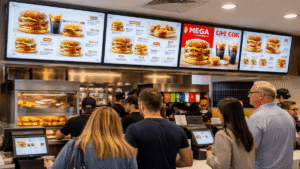
Modern businesses are operating in an environment where attention is scarce, competition is intense, and customers expect relevant, real-time communication wherever they go. Traditional marketing channels are no longer enough to stand out, especially in fast-moving urban markets like Melbourne and across Australia. Brands must find smarter, more engaging ways to communicate their message at the right moment and in the right place.
This is where Digital Signage Marketing becomes a critical tool for modern businesses. By combining dynamic visual content with strategic placement, businesses can influence purchasing decisions, strengthen brand identity, and improve customer experience at the point of impact. Unlike static advertising, digital signage allows brands to adapt quickly, personalize messaging, and integrate seamlessly into broader marketing strategies.
7 Reasons Why Your Marketing Needs Digital Signages
As Australian businesses continue to invest in smarter retail environments, hospitality spaces, corporate offices, and public venues, Digital Signage Marketing is no longer a luxury—it is an essential component of competitive marketing. Below, we will learn about 7 reasons why your marketing needs digital signage.
1. Capturing Attention in a World of Constant Distractions
Consumers today are exposed to thousands of marketing messages every single day. Online ads are skipped, emails are ignored, and traditional posters fade into the background. Digital signage, however, commands attention through motion, brightness, and strategic placement in high-traffic areas.
With Digital Signage Marketing, businesses can deliver eye-catching visuals that naturally draw the human eye. Moving content, video, and dynamic transitions outperform static displays in capturing attention, particularly in retail environments, shopping centres, and transport hubs across Melbourne. This immediate visibility helps brands break through the noise and make a strong first impression.
In crowded Australian cities where competition for attention is fierce, digital signage provides a measurable advantage by keeping messages visible, relevant, and impossible to ignore.
2. Delivering Real-Time and Contextual Messaging
One of the most powerful advantages of digital signage is the ability to update content instantly. Promotions, announcements, and brand messages can be adjusted in real time based on time of day, location, or audience behavior.
This flexibility is a core strength of Digital Signage Marketing, especially for businesses that operate multiple locations across Australia. A retail chain in Melbourne can promote lunch specials during peak hours, while displaying different content in the evening or on weekends. Hospitality venues can instantly update event promotions, menus, or safety messages without printing costs or delays.
Real-time messaging ensures that marketing content remains timely and relevant, increasing engagement and improving customer response.
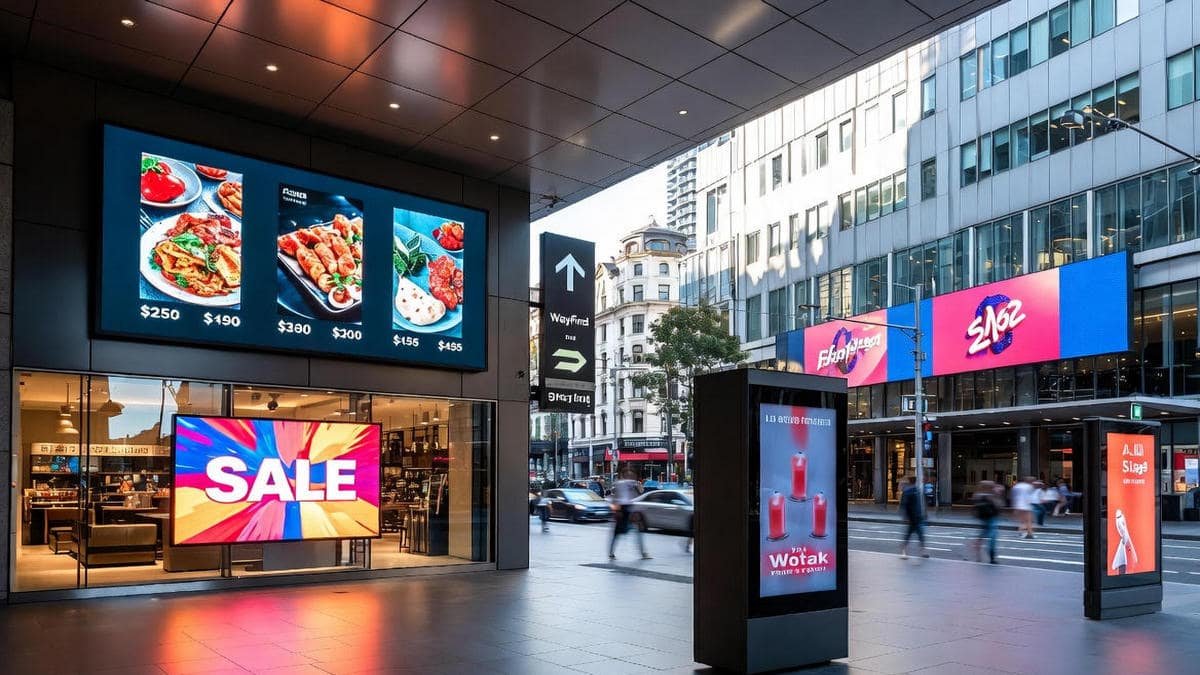
3. Enhancing Customer Experience and Brand Perception
Modern consumers judge brands not only by their products but also by the experiences they provide. Digital signage enhances environments by offering useful information, entertainment, and visually appealing content that improves overall customer satisfaction.
When implemented correctly, Digital Signage Marketing transforms physical spaces into interactive brand touchpoints. Wayfinding screens reduce frustration, promotional displays inform purchasing decisions, and branded visuals reinforce trust and professionalism. This is especially important in premium locations such as corporate offices, medical centres, and retail flagships throughout Melbourne.
To maintain fresh and engaging content without increasing workload, many businesses now rely on Digital Signage Content Automation, allowing screens to update automatically while maintaining consistent brand messaging across all locations.
4. Supporting Data-Driven Marketing Decisions
Digital signage is no longer just a display tool—it is part of a broader data-driven marketing ecosystem. When combined with analytics, businesses gain valuable insights into what content performs best and how audiences respond.
Through Digital Signage Marketing, brands can test different messages, visuals, and calls to action, then refine their strategy based on measurable results. This approach aligns perfectly with modern marketing principles focused on optimization and return on investment.
Advanced solutions also support Audience Targeting in Digital Signage, enabling businesses to tailor content based on demographics, location, or time-based patterns. This level of precision helps Australian businesses deliver more relevant messaging and maximize the impact of every screen.
5. Increasing Sales and Influencing Purchase Decisions
Point-of-sale influence is one of the strongest use cases for digital signage. Customers are more likely to make impulse purchases when they are exposed to compelling visual content at the right moment.
With Digital Signage Marketing, businesses can highlight promotions, upsell complementary products, and reinforce brand value directly at the decision-making point. Retailers in Melbourne shopping districts, cafés, and quick-service restaurants across Australia have seen measurable increases in basket size and conversion rates by implementing digital displays.
Compared to printed signage, digital content can be refreshed frequently, ensuring that offers remain relevant and aligned with inventory or seasonal demand.
6. Scalable Solutions for Different Business Environments
Digital signage is highly adaptable and suitable for businesses of all sizes. Whether it’s a single screen in a local store or a large-scale network across multiple locations, the technology scales efficiently.
A key consideration when scaling is choosing the right hardware configuration. Understanding SoC Displays vs External Media Players helps businesses balance performance, reliability, and long-term cost efficiency. This ensures that the digital signage infrastructure supports marketing goals without unnecessary complexity.
From retail chains to corporate environments and LED Displays for Hotels, digital signage solutions can be customized to suit specific industries while maintaining consistent brand communication across Australia.

7. Strengthening Local Marketing and Community Presence
For businesses targeting specific geographic markets, local relevance is critical. Digital signage allows brands to tailor messages to local audiences, events, and cultural moments.
Through Digital Signage Marketing, Melbourne-based businesses can promote local campaigns, highlight community partnerships, and align messaging with regional trends. This localized approach builds stronger emotional connections with customers and reinforces brand authenticity.
For Australian companies focusing on local SEO and regional growth, digital signage acts as a physical extension of online marketing, reinforcing visibility and brand recognition within the community.
Conclusion
As customer expectations continue to rise, businesses must adopt smarter, more flexible marketing tools to stay competitive. Digital Signage Marketing offers a powerful combination of visibility, adaptability, and measurable impact that traditional channels simply cannot match.
From capturing attention and enhancing customer experience to supporting data-driven decisions and boosting sales, digital signage has proven itself as an essential marketing asset. For businesses operating in Australia—and particularly in fast-paced markets like Melbourne—this technology provides a clear path toward stronger engagement and sustainable growth.
By integrating digital signage into a broader marketing strategy, modern businesses can communicate more effectively, respond faster to market changes, and create memorable brand experiences that drive long-term success.