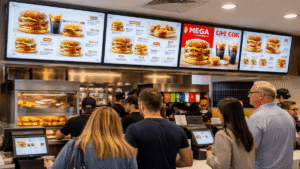
As digital screens become a core part of business communication, the question of security is no longer optional. Across Australia, organisations are rapidly adopting digital signage to engage customers, inform staff, and enhance brand presence. From retail stores in Melbourne to corporate offices and public venues nationwide, digital displays are now deeply embedded in daily operations. With this growth comes increased exposure to cyber threats, data breaches, and unauthorised access.
Digital Signage Security is a critical concern for modern businesses that rely on connected display networks. Unlike traditional signage, digital systems are connected to the internet, cloud platforms, and internal networks, making them potential targets if not properly protected. A single vulnerability can lead to content hijacking, reputational damage, or even compliance issues.
For Australian businesses aiming to scale securely, understanding and implementing best practices in Digital Signage Security is essential. This article explores practical, real-world strategies to protect digital signage infrastructure while supporting long-term growth and reliability.
Understanding the Real Risks Behind Digital Signage Networks
Digital signage systems are often underestimated from a security perspective. Many businesses focus on visual quality and content strategy while overlooking the technical foundation that keeps displays safe. However, unsecured signage networks can be exploited just like any other connected system.
Threats to Digital Signage Security commonly include unauthorised access to content management systems, malware injected through unsecured media players, and network vulnerabilities caused by outdated firmware. In busy commercial environments such as shopping centres in Melbourne, even a short disruption can damage customer trust.
The first step toward protection is recognising that digital signage is part of the IT ecosystem. Treating it with the same level of scrutiny as other digital assets is essential for businesses operating across Australia.
Securing Content Management and Access Control
One of the most effective ways to strengthen Digital Signage Security is through strict access control. Many breaches occur not because of advanced hacking techniques, but due to weak passwords, shared logins, or lack of user role management.
Businesses should ensure that only authorised personnel can upload, modify, or schedule content. Role-based permissions reduce risk by limiting access to sensitive functions. This is especially important for organisations managing multiple locations across Australia, where decentralised access can easily become a vulnerability.
Automation also plays a role here. When platforms support Digital Signage Content Automation, content updates become predictable and controlled, reducing the need for frequent manual intervention and lowering the risk of human error.
Protecting Hardware and Playback Devices
The physical components of digital signage systems are just as important as the software. Media players, displays, and network connections must all be secured to prevent tampering or unauthorised use.
Choosing the right playback architecture has a direct impact on Digital Signage Security. Understanding the differences between SoC Displays vs External Media Players helps businesses make informed decisions about performance, maintenance, and exposure to threats. While SoC displays reduce external hardware, external players may offer advanced security features when properly configured.
In public-facing environments across Melbourne, securing physical access to devices and ensuring proper enclosure can prevent malicious interference and accidental damage.
Network Security and Infrastructure Best Practices
A common mistake businesses make is connecting digital signage systems to open or poorly segmented networks. This approach increases the risk of unauthorised access and lateral movement within the network.
Strong Digital Signage Security requires network segmentation, encrypted connections, and secure firewall configurations. By isolating signage traffic from critical business systems, organisations can limit potential damage even if a breach occurs.
Australian businesses operating in regulated industries must also consider compliance requirements. Secure networking not only protects content but also helps meet data protection obligations under local regulations.
Managing Remote Access and Cloud-Based Platforms
Cloud-based digital signage platforms offer flexibility and scalability, but they also introduce new security considerations. Remote access must be carefully managed to prevent unauthorised control.
Multi-factor authentication, secure APIs, and regular security audits are essential components of Digital Signage Security in cloud environments. Businesses with distributed locations across Australia benefit from centralised control, but only when supported by strong authentication policies.
Remote management should always balance convenience with risk mitigation, particularly for businesses expanding into new markets like Melbourne’s competitive retail and hospitality sectors.
Balancing Security with Personalisation and Engagement
Modern digital signage often incorporates data-driven features to improve relevance and engagement. While personalisation adds value, it also increases security complexity.
When implementing features such as Audience Targeting in Digital Signage, businesses must ensure that data collection and processing are secure and compliant. Protecting user data is a fundamental aspect of Digital Signage Security, especially when displays adapt content based on audience behaviour or location.
By applying privacy-first design principles, Australian businesses can deliver personalised experiences without compromising trust.
The Role of Digital Signage in Broader Business Strategy
Digital signage does not operate in isolation. It supports communication, branding, and customer engagement goals across the organisation. As such, its security posture directly impacts overall business performance.
Integrating Digital Signage Security into broader risk management strategies ensures that displays remain reliable and aligned with business objectives. This is particularly important when signage supports Digital Signage Marketing efforts, where compromised content can quickly damage brand credibility.
For businesses in Melbourne and beyond, secure signage systems contribute to consistent messaging and operational resilience.
Ongoing Maintenance, Monitoring, and Updates
Security is not a one-time task. Threats evolve, software changes, and new vulnerabilities emerge over time. Continuous monitoring and regular updates are essential to maintaining strong Digital Signage Security.
Businesses should establish clear processes for firmware updates, patch management, and system audits. Proactive maintenance reduces downtime and helps prevent incidents before they occur.
Australian organisations that prioritise long-term system health benefit from improved reliability and lower total cost of ownership.
Conclusion
As digital signage becomes an integral part of modern business environments, security must be treated as a foundational requirement rather than an afterthought. Digital Signage Security protects not only screens and systems but also brand reputation, customer trust, and operational continuity.
By implementing best practices in access control, hardware protection, network security, and ongoing maintenance, businesses across Australia can confidently scale their digital signage initiatives. In competitive markets like Melbourne, secure systems provide the stability needed to innovate and grow.
A proactive approach to Digital Signage Security ensures that digital displays remain a powerful, reliable asset for years to come.