
In today’s fast-paced, technology-driven world, communication within educational institutions has evolved beyond traditional noticeboards and flyers. The rise of digital communication tools has transformed how schools and universities share information, engage with students, and build stronger campus communities. One of the most significant innovations leading this transformation is digital signage. The Importance of Digital Signage in Schools and Universities cannot be overstated, as it enhances both the efficiency of communication and the quality of engagement among students, staff, and visitors alike.
Transforming Communication in Education
Effective communication is at the heart of any successful educational environment. Schools and universities manage a wide range of information—class schedules, event announcements, emergency alerts, and general updates. Traditional paper-based systems are often inefficient and time-consuming to update. Digital signage offers an innovative solution that enables real-time communication, ensuring everyone stays informed. With dynamic, eye-catching displays placed across campus, messages can be updated instantly and tailored to specific audiences, such as faculty, students, or visitors.
Digital signage also supports sustainability goals. By reducing the need for printed posters and flyers, institutions can significantly cut down on paper waste and printing costs. This aligns with the growing global focus on eco-friendly practices and the responsible use of resources.
Enhancing Student Engagement
Engagement is key to improving learning outcomes and fostering a sense of belonging among students. The Importance of Digital Signage in Schools and Universities lies not only in its communication potential but also in its ability to captivate and motivate learners. Visual content—videos, animations, infographics—grabs attention far more effectively than text-based messages. When students see vibrant displays featuring upcoming events, student achievements, or motivational quotes, they are more likely to participate and feel connected to campus life.
Digital signage can also serve as an educational tool in itself. In classrooms or lecture halls, screens can display supplementary materials, interactive quizzes, or live social media feeds related to ongoing lessons. This interactive approach makes learning more engaging, dynamic, and adaptable to different learning styles.
The Role of Digital Signage in Campus Safety
Safety is another area where digital signage has proven invaluable. In case of emergencies—such as fire drills, lockdowns, or weather alerts—digital signage systems can broadcast urgent notifications across the entire campus in seconds. This rapid communication capability can save lives and minimize confusion during critical situations.
Moreover, digital signage helps manage crowd flow during events or peak hours. For instance, universities can use displays to guide students to available study spaces or inform them about transportation schedules. The Importance of Digital Signage in Schools and Universities is therefore not limited to communication; it also plays a vital role in operational efficiency and campus safety.
 Integrating Technology with Educational Goals
To fully benefit from digital signage, schools and universities need to ensure that their systems are aligned with broader educational goals. Digital signage should not be treated merely as a decoration but as a strategic communication tool that enhances learning and engagement. When integrated with campus management systems, it can display personalized messages, class schedules, or even performance dashboards.
Furthermore, institutions can explore Different Types of LED Video Wall Solutions to meet diverse communication needs. From high-resolution indoor displays for auditoriums to weather-resistant outdoor screens for campus entrances, LED video walls provide flexibility in how messages are delivered. By selecting the right technology, educational institutions can create visually stunning and functional communication platforms that reflect their commitment to innovation.
Cost Efficiency and Long-Term Value
While the initial investment in digital signage technology may seem significant, it offers long-term cost savings compared to traditional methods. For example, printing and distributing posters, banners, and flyers involve recurring expenses for materials and labor. By contrast, digital signage requires only periodic updates and minimal maintenance. The Importance of Digital Signage in Schools and Universities also extends to financial efficiency, allowing administrators to allocate resources more effectively.
This financial advantage becomes clearer when institutions consider The Cost Difference Between Print and Digital Signage. Over time, digital displays eliminate the need for repeated printing cycles, reduce waste, and allow instant updates without extra costs. These factors make digital signage not just an innovative choice but also a financially sustainable one.
Overcoming Technical Challenges
Like any technology, digital signage systems can face occasional issues. Schools and universities must plan for regular maintenance and software updates to ensure continuous performance. Some institutions might encounter Common technical problems with digital displays, such as connectivity errors, calibration issues, or outdated content management systems. However, these challenges are typically easy to manage with proper technical support and a reliable provider. Many modern solutions offer remote monitoring and automated diagnostics to detect and fix problems before they affect operations.
Choosing the Right System for Your Institution
Every educational environment has unique communication needs. Selecting the appropriate hardware, software, and content strategy is crucial for success. Decision-makers should start by assessing their audience, content goals, and available budget. Partnering with a reputable provider can help simplify this process. Factors such as display brightness, screen size, energy efficiency, and content management features must all be considered. When Choosing the Right Digital Signage Display, institutions should prioritize scalability and ease of integration with existing IT systems to ensure long-term usability.
Creating a Sense of Community Through Digital Engagement
Beyond its technical and financial benefits, digital signage fosters a sense of unity across the campus. By celebrating student achievements, promoting diversity initiatives, or showcasing community projects, digital signage gives students and faculty a shared platform for recognition and expression. This creates an inclusive environment where information flows freely and every individual feels part of something bigger.
Moreover, the flexibility of digital signage allows institutions to adapt messages for different cultural events, holidays, and academic milestones. This inclusivity enhances the emotional connection between the institution and its community members, reinforcing the Importance of Digital Signage in Schools and Universities in shaping positive educational experiences.
 The Future of Digital Communication in Education
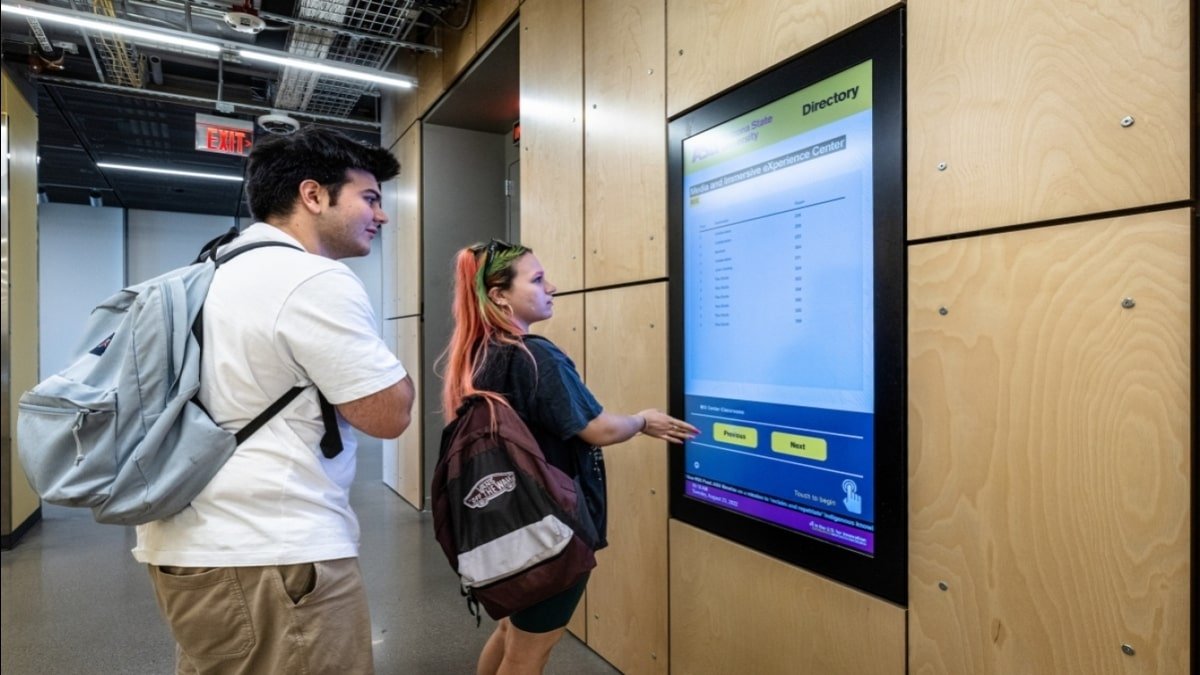
As technology continues to advance, digital signage will become even more integral to educational communication strategies. The integration of AI-driven analytics, touch-screen interactivity, and cloud-based content management will open new possibilities for personalized engagement. Institutions that embrace these innovations will not only streamline their operations but also strengthen their brand image as forward-thinking, student-centered organizations.
In the near future, digital signage could play a larger role in hybrid learning environments, where physical and virtual experiences blend seamlessly. Interactive digital boards, campus-wide data dashboards, and immersive video walls will further redefine how information is shared and consumed in educational spaces.
Conclusion
The Importance of Digital Signage in Schools and Universities lies in its multifaceted benefits—enhanced communication, stronger engagement, improved safety, and long-term cost efficiency. By embracing this technology, educational institutions can modernize their communication systems, foster a stronger sense of community, and prepare students for a digitally connected world. From daily announcements to emergency alerts, digital signage delivers information that is timely, impactful, and accessible to all. As education continues to evolve, digital signage will remain a cornerstone of innovation, helping schools and universities bridge the gap between technology and human connection.