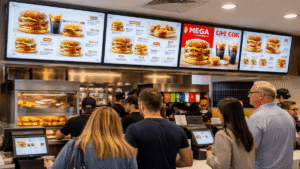
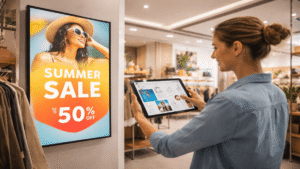
In today’s hyper-connected world, digital signage has evolved far beyond static screens. Businesses across industries now use dynamic, data-driven displays to engage customers, share real-time updates, and amplify brand messages. But one question stands out among modern marketers: How can we Integrate Digital Signage with Social Media to create a seamless, engaging experience for our audience?
The integration of these two channels represents a powerful convergence of online and offline communication. When done right, it helps brands extend their reach, encourage user-generated content, and foster real-time interaction between digital and physical touchpoints.
Why Integrate Digital Signage with Social Media?
Social media is where audiences share experiences, express opinions, and interact with brands. Digital signage, on the other hand, is the physical interface of that interaction. When you Integrate Digital Signage with Social Media, you bring the digital community into the physical world, creating an immersive environment that keeps customers engaged.
Some of the main benefits include:
-
Enhanced brand visibility: Social posts displayed on digital screens expand reach beyond online followers.
-
Increased trust and authenticity: Real customer posts (UGC) reinforce credibility.
-
Higher engagement: Real-time content like tweets, Instagram stories, or TikTok videos capture attention.
-
Seamless cross-channel marketing: Integrating both ensures consistency across all customer touchpoints.
Step 1: Define Clear Objectives
Before you Integrate Digital Signage with Social Media, start by clarifying your goals. Are you looking to increase in-store engagement, grow social followers, or boost event participation? Each objective influences what kind of content you display and how it’s curated. For instance, retail stores may focus on showcasing user-generated photos tagged with branded hashtags, while corporate offices may prioritize live LinkedIn updates.
Step 2: Choose the Right Digital Signage Platform
A robust software platform is essential for managing dynamic content. Look for systems that can connect directly to APIs from platforms like Instagram, Facebook, X (Twitter), or LinkedIn. The software should be capable of filtering content based on hashtags, location, or engagement metrics. It’s also important to select displays that match your environment—whether indoor, outdoor, or transparent.
For example, when exploring display technologies, it’s useful to understand the technical differences such as SMD vs COB Technology in LED Video Walls, as this choice affects brightness, clarity, and long-term performance—especially when displaying fast-moving social content.
Step 3: Curate and Moderate Content Wisely
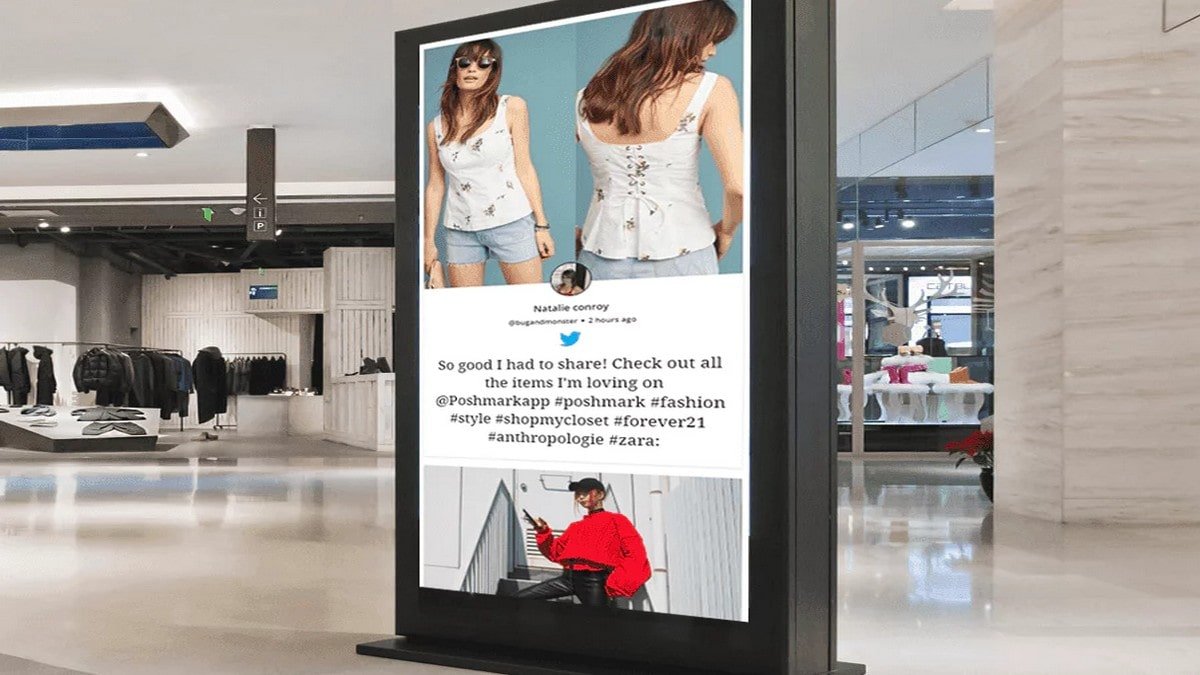
Displaying social media content publicly means ensuring it aligns with your brand’s tone and values. Use moderation tools to filter inappropriate or irrelevant posts. Many platforms offer AI-based filters that can automatically detect unwanted language or off-brand visuals.
To keep the content engaging, include a mix of user-generated content, branded announcements, and live social feeds. For corporate environments, you might even Use Transparent LED Screens in Corporate Buildings to create a futuristic, open feel while displaying real-time social engagement data or company highlights.
Step 4: Design for Impact
When you Integrate Digital Signage with Social Media, design becomes a strategic asset. Poorly designed layouts can reduce readability and engagement. Keep the following in mind:
-
Use high-contrast colors for text.
-
Rotate posts frequently to maintain viewer interest.
-
Highlight hashtags and mentions to motivate participation.
-
Keep animations smooth and transitions subtle.
Your digital signage should act as an extension of your brand’s online identity—same colors, tone, and visual hierarchy. The goal is to make users feel like they’re stepping inside your social media feed.
Step 5: Encourage Audience Participation
The key to maximizing brand impact lies in participation. Encourage visitors to post photos or reviews using a branded hashtag. Then, display selected posts in real-time on your screens. This creates a positive feedback loop—people are motivated to share more when they see their content displayed publicly.
For example, restaurants and cafes often use Double-Sided Digital Signs to showcase both menu content and live customer interactions on opposite sides, making the experience engaging for both pedestrians and in-store customers.
Step 6: Integrate with Events and Campaigns
Events and campaigns are perfect opportunities to Integrate Digital Signage with Social Media. During a product launch or trade show, live displays showing user reactions, tweets, and photos can boost excitement and drive organic promotion. Similarly, digital billboards connected to a campaign hashtag can create a unified brand narrative both online and offline.
Even outdoor environments can benefit from smart integration. For instance, Outdoor Drive Through Digital Signage Solutions are becoming increasingly popular for restaurants and service chains that want to display live social reviews or limited-time offers while customers are on the move.
Step 7: Measure and Optimize Performance
Integration isn’t just about visuals—it’s about measurable impact. Most digital signage software includes analytics that track impressions, dwell time, and engagement rates. Combine this with social media metrics such as reach, hashtag use, and sentiment analysis to evaluate success.
Once you Integrate Digital Signage with Social Media effectively, you can identify what type of content drives engagement, what times generate the most interaction, and how your digital and social investments reinforce each other. Over time, this data-driven insight helps refine future campaigns for even better ROI.
Best Practices for Long-Term Success
-
Keep content fresh: Regular updates maintain interest and prevent “banner blindness.”
-
Localize where possible: Use geotags and local events to make content relatable.
-
Ensure compliance: Follow platform rules when redisplaying social posts.
-
Prioritize quality hardware: Reliable displays ensure your message is always visible.
-
Balance automation and human curation: Technology helps, but human oversight ensures brand consistency.
By applying these best practices, brands can build a powerful bridge between their digital presence and physical locations—enhancing visibility, engagement, and loyalty.
Conclusion
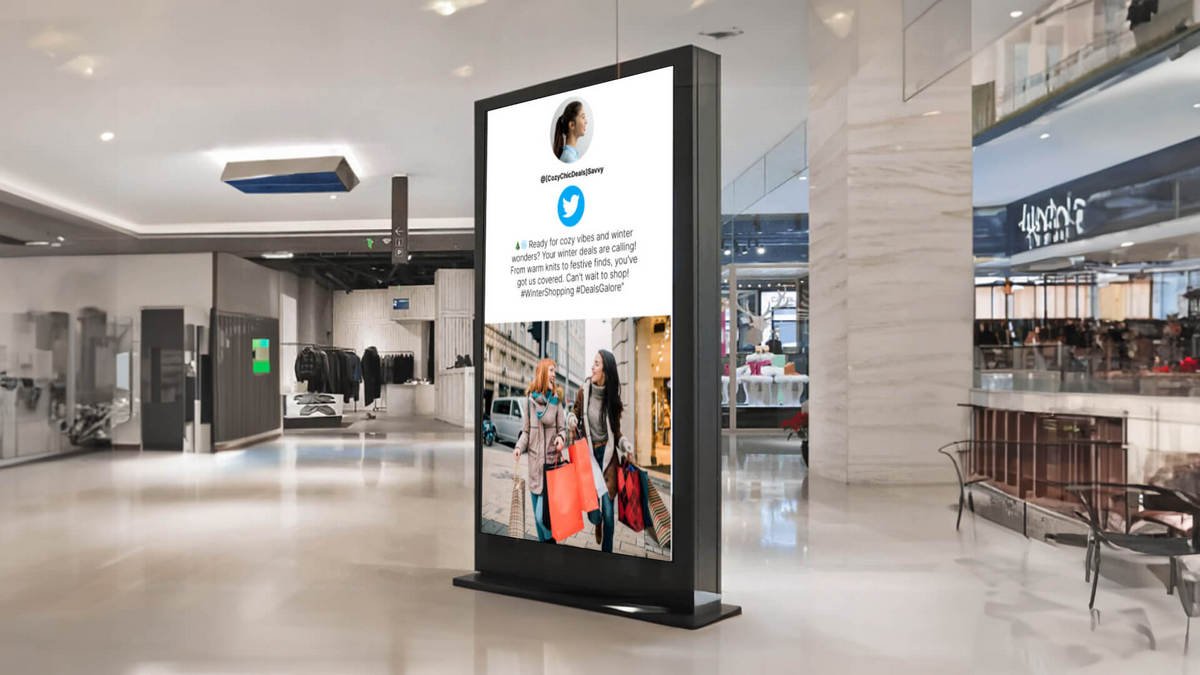
To Integrate Digital Signage with Social Media is to create a seamless experience between the virtual and physical worlds. It allows brands to communicate with customers in real time, turning passive viewers into active participants. Whether in retail stores, corporate environments, or outdoor campaigns, this integration brings your brand story to life across every touchpoint.
As digital signage technology continues to evolve, the line between screens and feeds will blur even further. Businesses that embrace this transformation will not only boost engagement but also strengthen their position as forward-thinking, customer-focused brands.