The display industry has experienced several transformative phases, from CRTs to LCDs, OLEDs, and now Micro LED technology. Among these innovations, Micro LED Displays stand out as a game-changer for both consumer and commercial applications. Combining ultra-fine pixel density, exceptional brightness, and unmatched energy efficiency, Micro LEDs are poised to redefine visual experiences across industries. This article provides a comprehensive exploration of Micro LED technology, its technical specifications, applications, challenges, and the future of display solutions.
What Are Micro LED Displays?
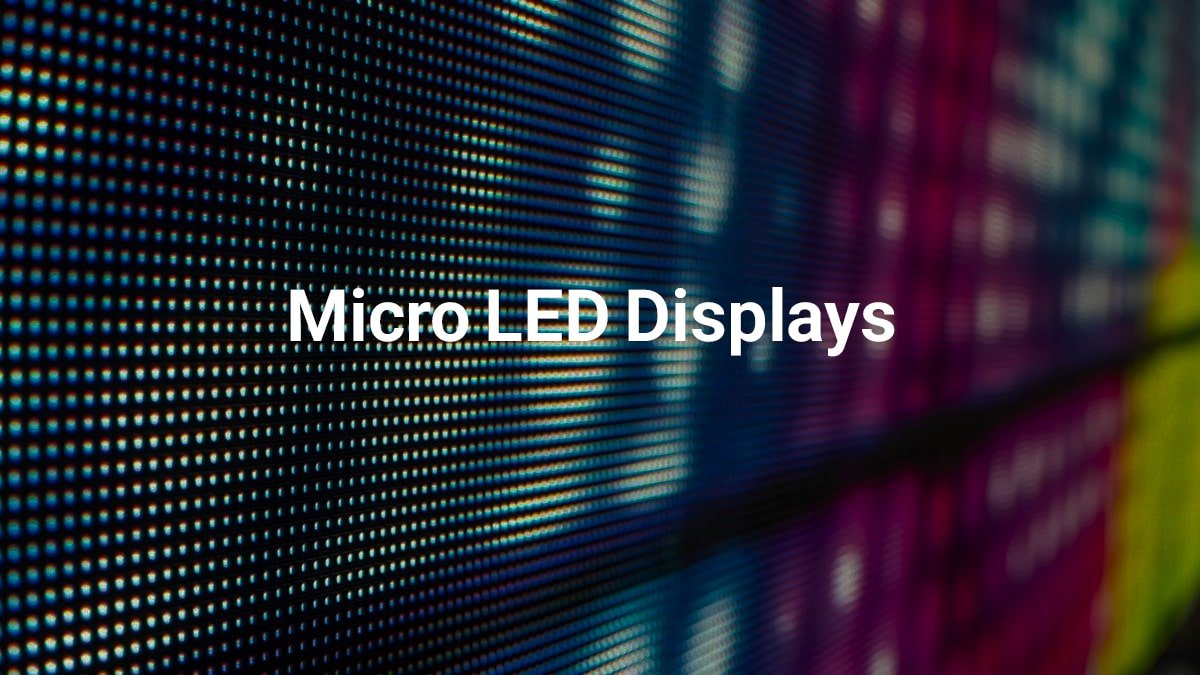
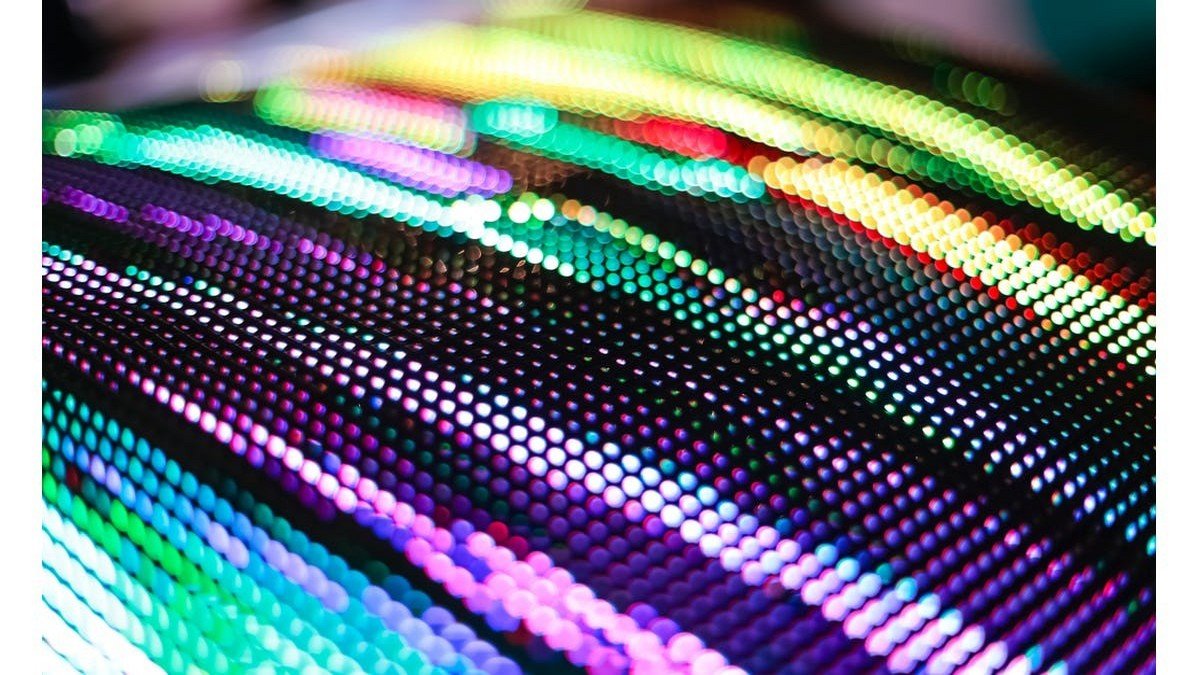
Micro LED displays consist of microscopic LEDs that act as individual pixels, emitting their own light and color. Unlike traditional LCDs that rely on backlighting or OLEDs that face burn-in risks, Micro LEDs offer independent pixel illumination, providing superior contrast ratios, vibrant colors, and longer lifespan.
Office Digital Signage Specs often demand displays that combine high resolution with low power consumption and long-term reliability. Micro LEDs meet these requirements, making them suitable for corporate environments, digital signage, and interactive office dashboards.
 MiPLED Technology: An Industry Innovation
MiPLED (Micro LED-in-Package) technology packages individual Micro LEDs into modules before mounting them on PCBs. This innovation improves manufacturing efficiency, increases yields, and allows for ultra-fine pitch displays without complex assembly processes.
MiPLED enhances the scalability of Micro LED Displays, making them viable for large-scale video walls, office lobbies, and commercial signage where seamless visuals and reliability are critical.
Technical Advantages of Micro LED Displays
-
Ultra-Fine Pixel Pitch: Micro LEDs allow pixels to be placed extremely close together, producing razor-sharp images on large-format screens.
-
High Brightness and HDR Support: Independent pixel illumination enables incredible brightness and high dynamic range, ideal for environments with varying lighting.
-
Energy Efficiency: Micro LED displays consume less power per pixel compared to OLED or traditional LED displays, making them cost-effective for continuous operation.
-
Durability and Lifespan: With a lifespan exceeding 100,000 hours and no risk of burn-in, Micro LEDs are suitable for both offices and public installations.
-
Modular Design: Screens can be constructed in various shapes and sizes, allowing customization for unique spaces.
For outdoor applications, similar care is needed to ensure longevity, as seen in Protecting Outdoor LED screen from Extreme Heat, which emphasizes environmental considerations for high-performance displays.
Display Specifications That Matter
Understanding office digital signage specs helps in selecting the right Micro LED display for professional environments. Key specifications include:
-
Resolution: Full HD for small spaces, 4K or higher for large video walls.
-
Brightness: Typically 600–1500 nits for indoor applications; outdoor setups require higher levels.
-
Contrast Ratio: Extremely high contrast for vivid imagery and legible text.
-
Viewing Angle: Wide-angle capability ensures visibility across offices or lobbies.
-
Refresh Rate: 60Hz or higher for smooth video playback and interactive content.
These specifications ensure optimal performance in environments ranging from corporate offices to retail spaces.
Applications Across Industries
Micro LED Displays are transforming numerous industries:
-
Corporate Offices: Meeting room dashboards, lobby displays, employee engagement tools.
-
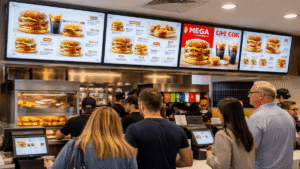
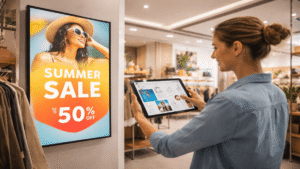
Retail and Restaurants: Dynamic menus, interactive signage, promotional displays.
-
Consumer Electronics: Ultra-high-definition TVs, monitors, and AR/VR devices.
-
Automotive: Advanced dashboards and HUDs (heads-up displays).
-
Entertainment: Event stages, concert visuals, and immersive installations.
Proper maintenance ensures reliability, echoing practices like Outdoor LED Screen Maintenance, which, while intended for outdoor environments, underscores the importance of upkeep for high-performance displays.
Comparing Micro LED to Other Display Technologies
-
LCD Displays: Require backlighting, limited viewing angles, lower contrast.
-
OLED Displays: High contrast and deep blacks, but prone to burn-in and shorter lifespan.
-
Micro LED Displays: Combines the benefits of OLED with higher brightness, longer lifespan, and modularity, making it suitable for premium installations.
This combination of performance and durability positions Micro LED as the future of professional and consumer displays.
Challenges and Considerations
Despite its advantages, Micro LED adoption faces several challenges:
-
High Initial Costs: Production is more expensive than LCDs or OLEDs.
-
Yield and Assembly Complexity: Precision is critical for ultra-fine pixel pitches.
-
Standardization: Proprietary methods may delay ecosystem-wide integration.
-
Content Optimization: High-resolution content must be tailored for ultra-fine displays.
Emerging AI solutions, such as AI-Powered Outdoor Screens, hint at how intelligent content management and automation can optimize display performance and reduce operational complexity.
Creating Content for Micro LED Displays
Content quality dramatically affects user experience. Create Engaging Video Content for Your Digital Signage that leverages the brightness, color accuracy, and contrast of Micro LED displays. Interactive dashboards, live analytics, or dynamic corporate content become more impactful when presented on these displays, enhancing engagement and communication in offices or public spaces.
 Future Trends and Prospects
The future of Micro LED Displays is promising:
-
Ultra-Fine Pitch Expansion: Smaller pixel spacing for seamless large-scale video walls.
-
Hybrid Technologies: Integration with quantum-dot enhancements for richer color.
-
IoT and AI Integration: Intelligent content delivery and adaptive brightness.
-
Consumer Adoption: TVs, monitors, and wearable displays with superior visual quality.
These trends ensure that Micro LED remains a leading solution for high-end visual applications and professional environments.
Best Practices for Office Implementation
For offices looking to adopt Micro LED displays:
-
Select displays matching office digital signage specs for size, resolution, and brightness.
-
Utilize modular screens for flexible layouts in lobbies, meeting rooms, and collaborative areas.
-
Incorporate touch interactivity for dashboards and employee engagement.
-
Schedule maintenance and performance checks to ensure longevity.
Careful planning and proper implementation ensure maximum ROI and user satisfaction.
Case Studies
-
Corporate Headquarters: A multinational firm implemented a Micro LED video wall in the lobby and conference areas. Employee engagement improved by 25%, with enhanced internal communication.
-
Retail Environment: A fashion retailer adopted Micro LED displays for dynamic promotions and interactive product showcases. Customer engagement metrics increased significantly, demonstrating the value of high-quality displays.
These examples illustrate practical benefits of Micro LED in both professional and commercial environments.
Conclusion
Micro LED Displays are revolutionizing visual technology, providing ultra-fine resolution, unmatched brightness, energy efficiency, and modularity. MiPLED packaging accelerates adoption, reducing manufacturing challenges while enabling high-performance, scalable displays. From corporate offices to consumer electronics and immersive entertainment, Micro LED sets a new benchmark for visual experience. Businesses and tech enthusiasts investing in this technology can expect superior performance, long-term reliability, and a future-proof solution.