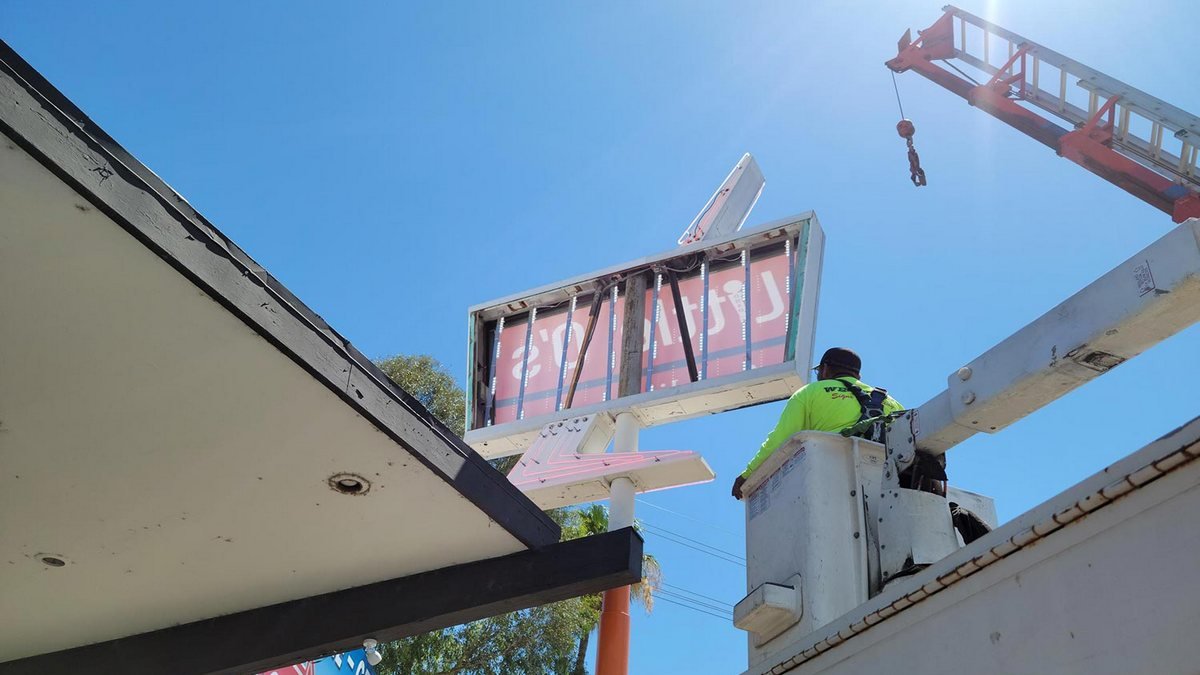
Modern businesses depend heavily on visually engaging communication, yet many still rely on outdated signage that struggles to meet today’s expectations. As customer attention spans shrink and competition grows, the need for impactful and energy-efficient displays becomes unavoidable. Instead of replacing entire signage structures—which can be expensive, disruptive, and wasteful—many organisations are now turning to Retrofit Signage Solutions. These solutions modernise older systems by upgrading internal components while preserving the original housings, mounts, or frameworks. In this article, we explore how retrofitting transforms old displays into bold, high-performance visual assets without the cost and complexity of starting from scratch.
Why Retrofitting Matters in Modern Visual Communication
Over the past decade, visual communication has evolved rapidly. High-brightness LEDs, smart controllers, cloud-based CMS platforms, and sustainable materials have become industry standards. Meanwhile, many businesses still operate signage built years before these innovations existed. Retrofit Signage Solutions bridge this gap by injecting advanced technology into existing displays. This approach not only enhances performance but also supports sustainability goals by reducing unnecessary waste. Many brands now prefer retrofits because structural elements such as frames or enclosures remain perfectly usable, even though internal components are outdated.
Cost Efficiency: Upgrading Without Rebuilding
One of the greatest advantages of Retrofit Signage Solutions is cost reduction. Full replacements require demolition, rewiring, structural changes, and new installations—steps that require extensive labour and long downtime. Retrofitting eliminates most of these costs. Only essential components, such as lighting modules, power supplies, or controllers, are upgraded. The financial savings are particularly significant for businesses with multiple locations. Instead of replacing dozens or hundreds of signs, they can upgrade them in phases and allocate budgets more efficiently, enabling higher ROI on visual marketing investments.
Performance Enhancement: Modern Technology Inside Familiar Structures
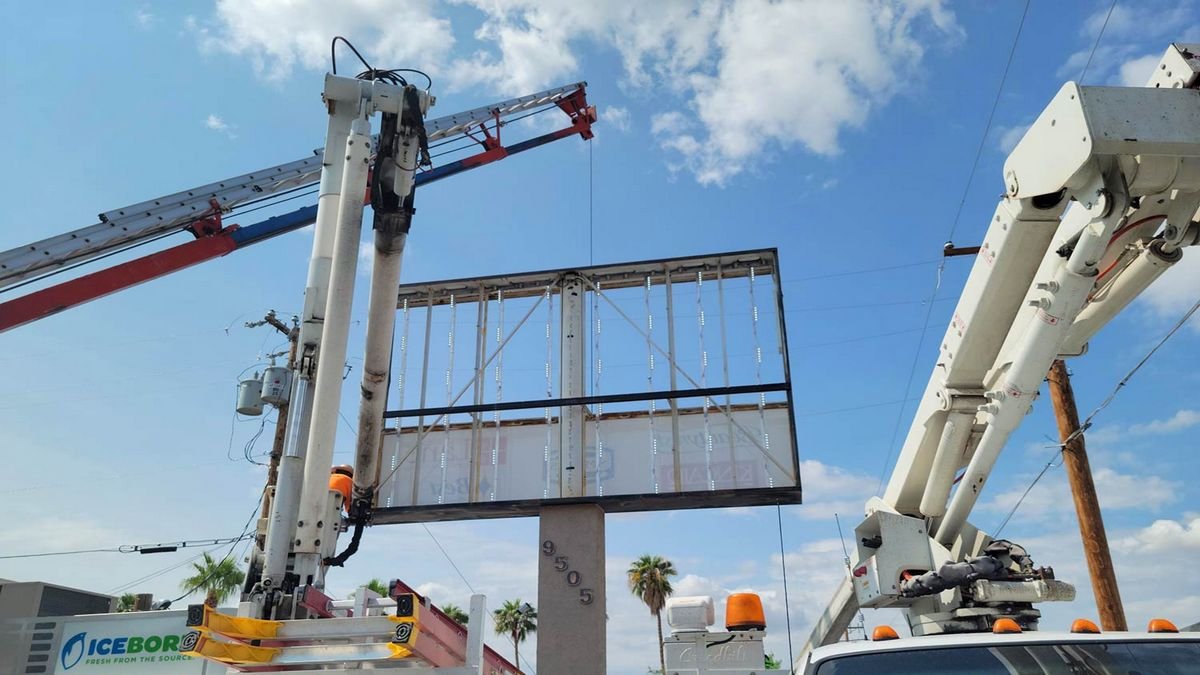
Modern retrofit kits significantly improve brightness, clarity, and colour accuracy. Today’s LED modules offer long lifespans, reduced heat output, and impressive power efficiency. Reduced thermal output is especially important for electronics exposed to harsh conditions, where systems related to Digital Signage Cooling help maintain stable performance. By upgrading internal components, retrofitted displays can withstand demanding environments, operate longer without failure, and maintain visual consistency even under fluctuating temperature or weather conditions. This performance boost is crucial for businesses that rely on clear, dependable signage for customer engagement.
Sustainability and Reduced Environmental Impact
With global emphasis on sustainability, companies increasingly value solutions that reduce waste. Retrofitting prevents large amounts of usable metal, plastic, and glass from ending up in landfills. By reusing existing structures, businesses dramatically lower their carbon footprint. Additionally, the new technology used in Retrofit Signage Solutions consumes less power and requires fewer replacements over time. These eco-friendly features align with the expectations of environmentally conscious customers and help companies meet green certification requirements.
Improved Visual Impact and Brand Consistency
Outdated signs often suffer from dim lighting, uneven illumination, or inconsistent colour temperatures. Retrofitting fixes these problems instantly. New LED systems create brighter, sharper visuals that enhance brand perception. Whether used in retail, hospitality, transportation, or corporate environments, improved clarity makes messaging more impactful. Many companies also adopt Retrofit Signage Solutions to standardise visual presentation across multiple locations. With consistent lighting and modernised components, brands deliver a cohesive customer experience regardless of venue age or design.
When Legacy Structures Must Stay: The Power of Retrofitting
Some buildings—museums, historic venues, government facilities, or architecturally significant properties—cannot undergo major structural changes. Retrofitting becomes the perfect solution. Instead of removing signage that is integrated into heritage architecture, businesses can upgrade the internal components while maintaining the exterior design. A similar approach is used in specialty outdoor formats like Taxitop LED Displays in Australia, where modular upgrades allow advertising companies to update technology without redesigning the entire vehicle mount. This flexible approach is one of the reasons retrofitting is considered a future-proof strategy in many industries.
Retrofitting vs. Full Replacement: A Practical Comparison
Full signage replacement makes sense only in cases where the structure is damaged or the format is no longer appropriate for the intended use. Otherwise, retrofitting offers more benefits:
-
Retains existing enclosures and mounts
-
Minimises downtime
-
Requires fewer permits
-
Reduces material waste
-
Cuts long-term operational costs
-
Faster installation and less disruption
Many businesses choose Retrofit Signage Solutions not only because they are affordable but because they provide a modern aesthetic without interfering with daily operations. For companies that operate 24/7—such as airports, shopping centres, and transport hubs—this minimal downtime is invaluable.
Future-Proofing Your Display Infrastructure
Digital content and signage technologies continue to evolve. Cloud-connected CMS systems, automated brightness controllers, and IoT-enabled LED modules are becoming standard across high-performance signage. Retrofit Signage Solutions allow businesses to integrate these tools without replacing their entire display system. This adaptability ensures signage remains functional and up-to-date as new technologies emerge. Additionally, retrofitted systems can often be upgraded again in the future, extending the lifespan of the original installation for many years.
Expanding Functionality Through Smart Retrofits
Beyond improving brightness and energy efficiency, retrofits can also expand the capabilities of existing signs. With upgraded controllers and interfaces, many displays gain dynamic content capabilities, remote adjustments, scheduling features, and interactive options. This approach mirrors innovations seen in educational environments, such as Digital Teaching with Interactive Panels, where outdated boards are enhanced with touch-enabled and cloud-connected systems. Even if a business does not require full interactivity, the principles behind these upgrades demonstrate how retrofits can bring modern functionality to legacy hardware.
Why Businesses Choose Retrofitting to Modernise Digital Signage?
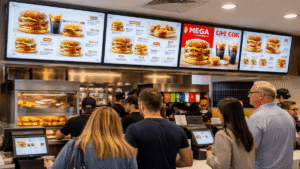
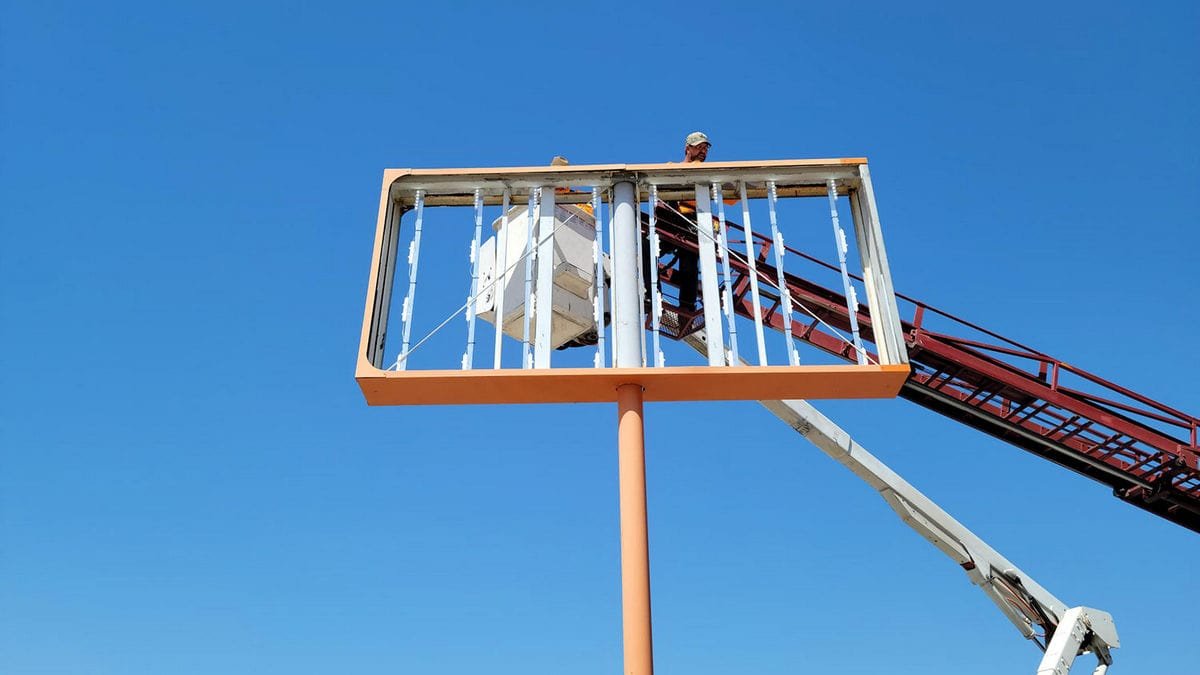
In many cases, organisations consider retrofitting because they want to Upgrade Old Digital Signage that has become visually outdated but still structurally sound. Older digital panels may suffer from dullness or poor pixel performance, yet their enclosures remain intact. Retrofitting allows companies to install newer LCD or LED modules without removing or rebuilding the supporting framework. This method is especially common in shopping centres, corporate offices, transportation terminals, and stadiums—areas where large-scale replacements would be extremely disruptive.
Conclusion
As visual communication becomes more central to branding, marketing, and customer engagement, businesses can no longer rely on outdated signage. Retrofit Signage Solutions offer a powerful, cost-effective, and sustainable way to modernise existing displays without major structural changes. They provide improved brightness, energy efficiency, reliability, and digital functionality—all while preserving the valuable architectural elements already in place. Whether used for indoor messaging, outdoor advertising, or specialised digital systems, retrofitting transforms old signage into bold, modern visual assets that meet the demands of today’s fast-moving digital world. For organisations seeking long-term value, reduced waste, and exceptional performance, retrofitting isn’t just an option—it’s the smart upgrade strategy for the future.