Businesses across the world are constantly searching for cost-effective ways to communicate with customers, promote offers, and modernize in-store experiences. One increasingly popular approach is to Turn Smart TV into Digital Signage: Pros, Cons, and Best Use Cases that leverage existing consumer technology instead of investing in expensive commercial displays. From cafés and retail stores to corporate offices and educational institutions, smart TVs are becoming a familiar sight. When paired with the right software and strategy, these screens can deliver dynamic messages, branded visuals, and real-time information. In competitive markets like Australia, especially in vibrant cities such as Melbourne, this approach offers small and medium businesses a practical entry point into digital signage without heavy upfront costs.
What Does It Mean to Turn a Smart TV into Digital Signage?
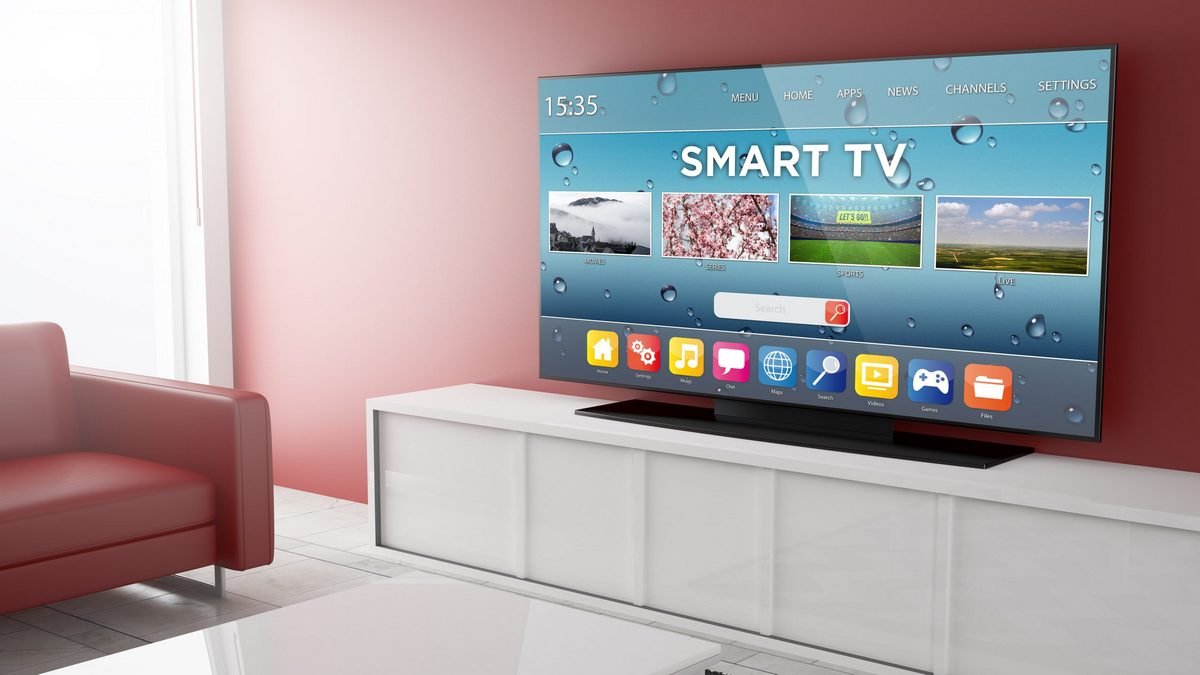
At its core, the idea to Turn Smart TV into Digital Signage: Pros, Cons, and Best Use Cases involves using a consumer smart television as a display endpoint for digital signage software. Instead of watching Netflix or free-to-air TV, the screen is dedicated to showing promotional videos, menus, announcements, dashboards, or wayfinding content. This is usually achieved through built-in apps, external media players, or cloud-based platforms that allow remote management. For businesses in Melbourne with multiple locations, this setup can simplify operations by allowing centralized control over what appears on each screen.
Why Businesses Are Considering This Approach
The motivation to Turn Smart TV into Digital Signage: Pros, Cons, and Best Use Cases often starts with budget considerations. Commercial signage hardware can be costly, while smart TVs are widely available and affordable. Additionally, many modern smart TVs already support Wi-Fi, 4K resolution, and app ecosystems. This lowers the barrier to entry for cafés, gyms, clinics, and retail shops across Australia that want to experiment with digital communication before scaling up.
Pros of Using Smart TVs for Digital Signage
When evaluating whether to Turn Smart TV into Digital Signage: Pros, Cons, and Best Use Cases, understanding the advantages is essential.
Key Benefits
- Lower Initial Cost: Smart TVs are cheaper than professional signage displays, making them ideal for startups and local Melbourne retailers.
- Ease of Installation: No specialized mounting or wiring is usually required beyond standard power and internet access.
- Remote Management: Cloud platforms enable quick Digital Signage Content Update across one or multiple locations without physical intervention.
- Versatility: Smart TVs can display videos, slideshows, social media feeds, menus, and live data.
- Familiar User Experience: Staff often find smart TV interfaces easier to learn, reducing training time.
These benefits explain why many Australian businesses view this option as a stepping stone into more advanced signage ecosystems.
Cons and Limitations You Should Know
Despite the appeal, it is important to examine the downsides when deciding to Turn Smart TV into Digital Signage: Pros, Cons, and Best Use Cases.
Potential Drawbacks
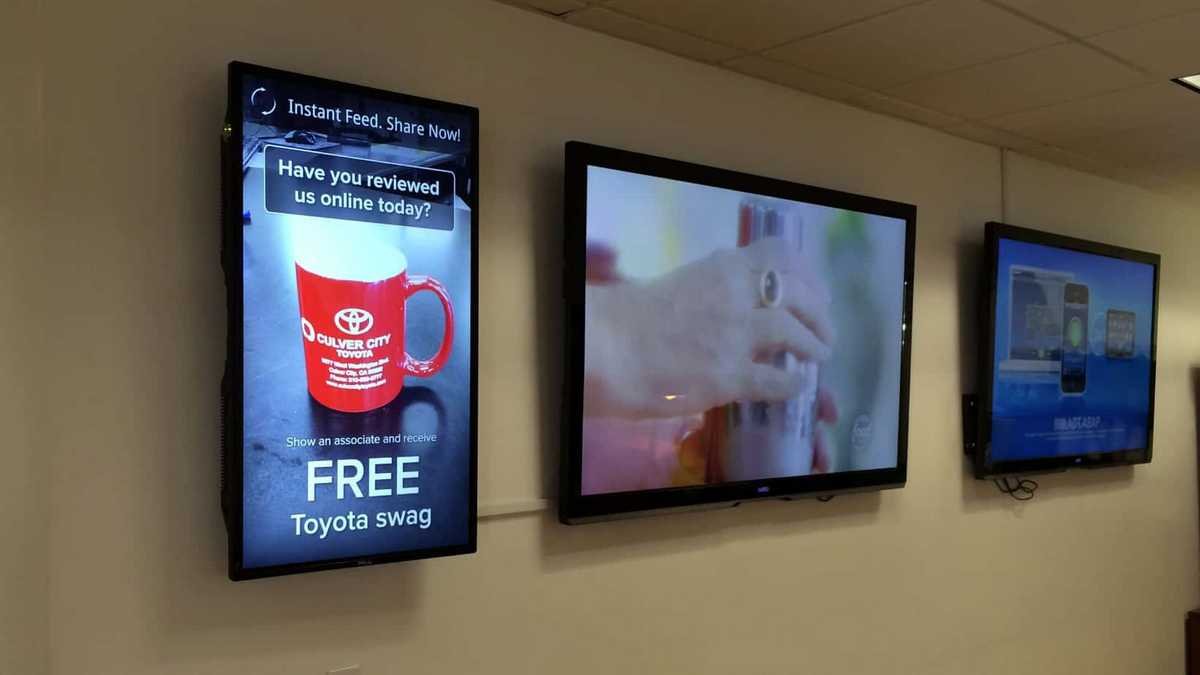
- Durability Issues: Consumer TVs are not designed for 24/7 operation and may wear out faster.
- Brightness Constraints: In bright storefronts, smart TVs may struggle with visibility compared to commercial panels.
- Limited Warranty: Extended commercial use can void standard consumer warranties.
- Security Risks: Without proper configuration, Digital Signage Security vulnerabilities such as unauthorized access or content tampering can arise.
- Scalability Challenges: Managing dozens of screens across Melbourne suburbs may become complex without enterprise-grade tools.
Understanding these limitations helps businesses make realistic decisions aligned with their operational needs.
Best Use Cases for Smart TV Digital Signage
Exploring Turn Smart TV into Digital Signage: Pros, Cons, and Best Use Cases also means identifying scenarios where this approach performs best.
Ideal Environments
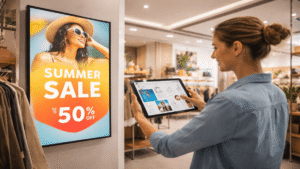
- Retail Stores: Promote offers, highlight new arrivals, and enhance Digital Signage Marketing campaigns with eye-catching visuals.
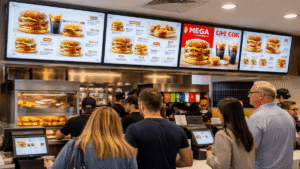
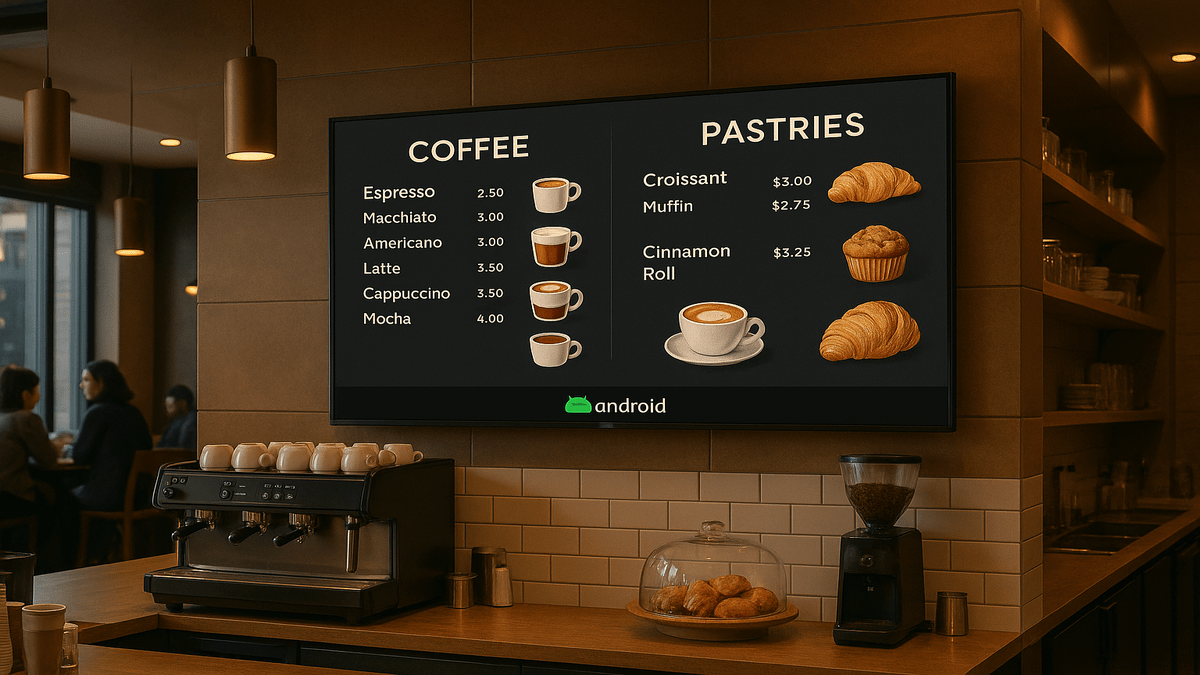
- Cafés and Restaurants: Display digital menus, daily specials, and customer reviews.
- Corporate Offices: Share internal announcements, KPIs, and meeting room schedules.
- Healthcare Clinics: Provide educational content and queue information in waiting areas.
- Event Spaces: Use screens for agendas, sponsor logos, and real-time updates.
In seasonal contexts, many retailers in Australia rely on digital screens for targeted promotions, including Digital Signage for Holiday Sales, where timely messaging can significantly impact revenue.
Comparison: Smart TV vs Commercial Digital Signage Displays
To better understand where smart TVs fit, the following table compares them with professional signage screens.
| Feature | Smart TV | Commercial Digital Signage Display |
|---|---|---|
| Initial Cost | Low | High |
| Designed for 24/7 Use | No | Yes |
| Brightness Levels | Moderate | High |
| Warranty Coverage | Consumer | Commercial |
| Best for | Small to medium setups | Large-scale deployments |
This comparison shows why many Melbourne businesses start with smart TVs and later upgrade as their needs evolve.
How to Implement Smart TV Digital Signage Successfully
A structured approach increases the success rate when you Turn Smart TV into Digital Signage: Pros, Cons, and Best Use Cases.
Step-by-Step Overview
- Assess Your Goals: Define whether the screen is for promotions, information, or branding.
- Choose the Right Software: Look for cloud-based platforms compatible with your TV brand.
- Plan Content Strategically: Keep messages concise and visually consistent.
- Ensure Network Stability: Reliable internet is crucial for remote updates.
- Schedule Maintenance: Reboot devices periodically to maintain performance.
For businesses operating across Australia, centralized dashboards are especially valuable for maintaining consistent messaging between locations.
Local SEO and Regional Considerations in Australia
From a local SEO perspective, the decision to Turn Smart TV into Digital Signage: Pros, Cons, and Best Use Casescan support offline marketing efforts. Screens placed in Melbourne storefronts reinforce brand recognition and complement online campaigns. Highlighting local events, partnerships, or community initiatives on in-store screens helps bridge the gap between digital presence and physical experience. This localized relevance is particularly effective in competitive urban areas where customer attention is fragmented.
When Smart TVs Are Not the Right Choice
While the approach is attractive, not every scenario is suitable to Turn Smart TV into Digital Signage: Pros, Cons, and Best Use Cases. High-traffic transport hubs, outdoor displays, and mission-critical environments often require commercial-grade hardware. Businesses planning rapid expansion across Australia should also consider long-term scalability before committing exclusively to consumer devices.
Future Outlook for Smart TV Digital Signage
The market continues to evolve, and the trend to Turn Smart TV into Digital Signage: Pros, Cons, and Best Use Casesis likely to grow. As smart TVs become more powerful and software platforms more secure, the gap between consumer and commercial displays may narrow. For Melbourne entrepreneurs and Australian SMEs, this evolution presents an opportunity to adopt flexible solutions that grow alongside their business.
Conclusion
Choosing to Turn Smart TV into Digital Signage: Pros, Cons, and Best Use Cases is a strategic decision that balances cost, functionality, and long-term goals. Smart TVs offer an accessible entry point for digital signage, particularly for small and medium businesses in Australia and Melbourne. By understanding the advantages, acknowledging the limitations, and selecting appropriate use cases, organizations can maximize the value of their screens while laying the groundwork for future expansion.