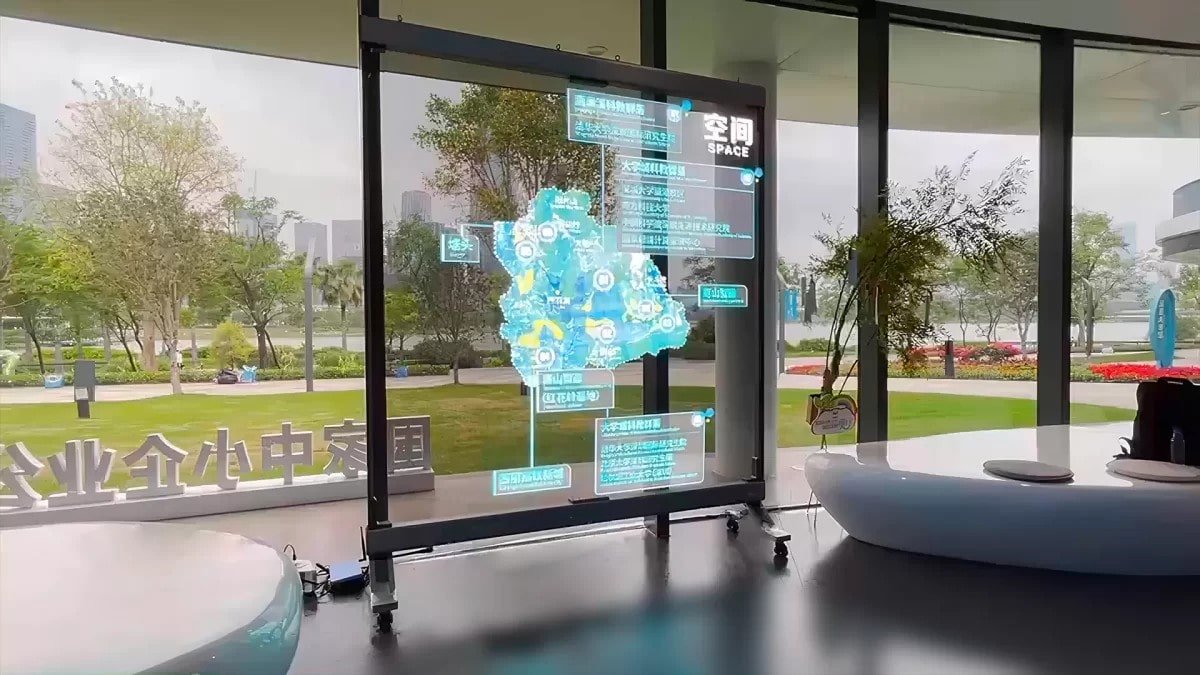
Modern architecture has evolved far beyond concrete and glass. Today, buildings communicate — not only through their design but also through digital expression. Companies looking to make a lasting impression increasingly Use Transparent LED Screens in Corporate Buildings to create visually engaging, interactive, and dynamic environments. These transparent displays blend seamlessly into architectural glass, offering new opportunities for creativity, branding, and communication without compromising aesthetics or natural light.
1. Transforming Glass Facades into Dynamic Canvases
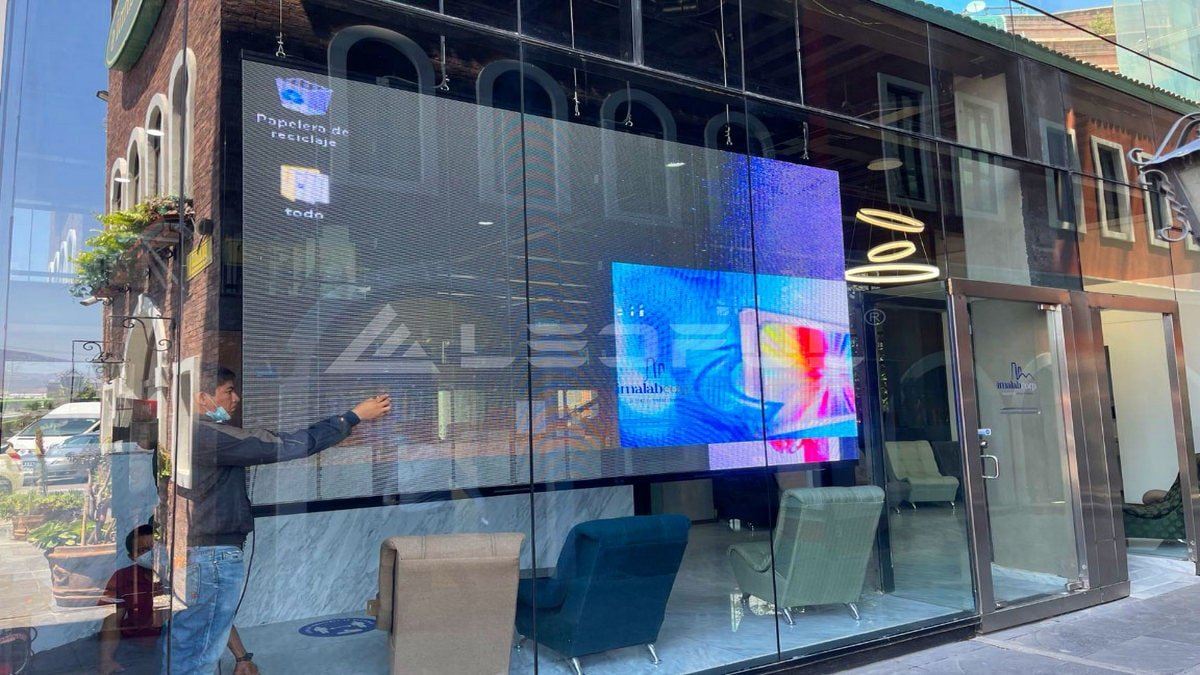
Glass facades define most modern corporate buildings, offering a sleek, professional appearance. But they also provide an enormous opportunity for digital innovation. By choosing to Use Transparent LED Screens in Corporate Buildings, businesses can turn glass walls into living digital canvases. During the day, the screens remain see-through, maintaining the building’s elegance and allowing natural light to flood the interior. At night, however, they transform into powerful visual tools, displaying corporate branding, event announcements, or digital art.
This approach is particularly popular in corporate headquarters located in urban centers. It not only attracts attention but also communicates the brand’s commitment to technology, innovation, and design. A transparent LED facade can act as both a decorative and functional feature — a digital upgrade that redefines architectural identity.
2. Elevating Reception Areas and Lobbies
The reception area is the first point of contact between a company and its visitors. It sets the tone for the brand experience. Integrating transparent LED panels into lobby glass walls, ceilings, or even elevators offers a futuristic and welcoming atmosphere. Companies that Use Transparent LED Screens in Corporate Buildings this way can display greeting messages, real-time updates, or multimedia presentations that engage guests while they wait.
Imagine walking into a lobby where glass walls subtly showcase a digital waterfall or an animated company timeline — the effect is both mesmerizing and professional. Unlike traditional screens, transparent LEDs blend into the space without making it look cluttered or overly “digital.” They become part of the architecture itself, merging design and communication effortlessly.
3. Conference Rooms and Internal Communication
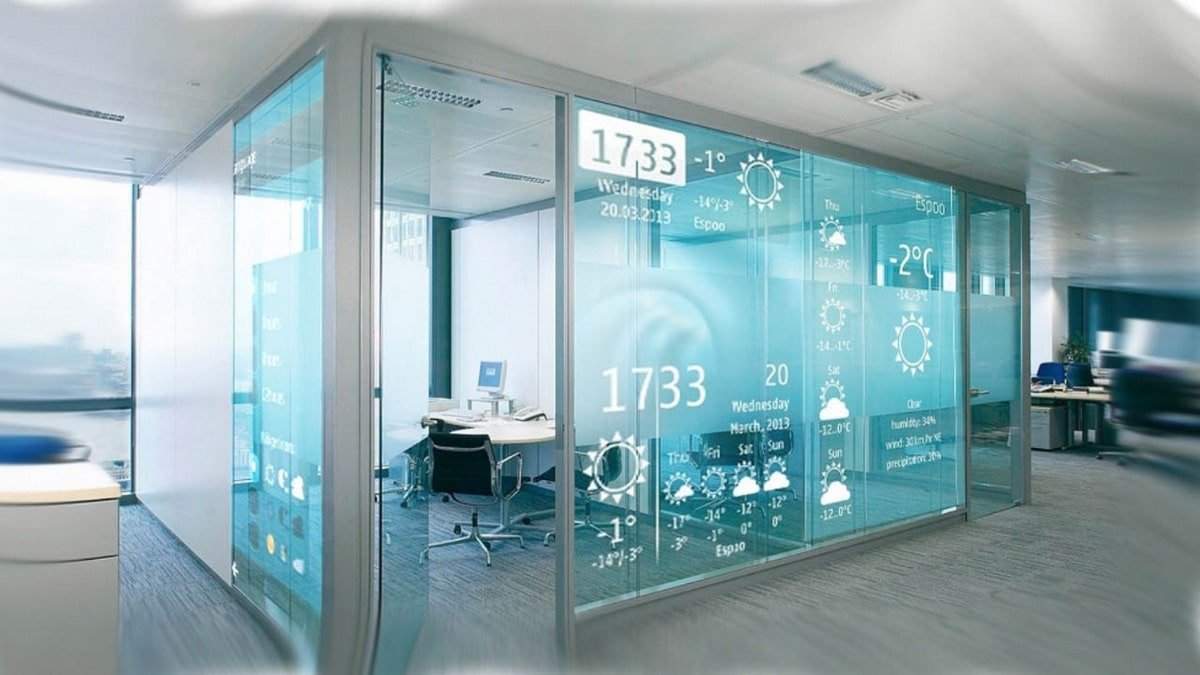
Transparent LED screens are also transforming the way employees interact and collaborate. In modern conference rooms, these displays can be used for presentations, live data dashboards, and video conferencing, while maintaining openness and transparency in the space. Teams that Use Transparent LED Screens in Corporate Buildings can enjoy cutting-edge communication tools without sacrificing aesthetics or privacy.
In addition, internal glass partitions with embedded transparent LEDs can display motivational messages, company updates, or key performance indicators. This keeps employees informed and inspired, turning every meeting or hallway into a communication channel.
4. Architectural Storytelling and Corporate Art
Corporate buildings no longer serve just as workplaces; they’re brand statements. Transparent LED technology allows organizations to tell their story through architectural art. By incorporating transparent screens into staircases, corridors, or atriums, companies can create digital storytelling zones that reflect their mission, values, and milestones.
Businesses that Use Transparent LED Screens in Corporate Buildings for storytelling stand out as forward-thinking innovators. The transparency ensures that these visual installations enhance — rather than obstruct — the architectural flow. From subtle brand animations to interactive art, the possibilities are limitless.
This approach aligns with other digital display trends such as Outdoor Drive Through Digital Signage, where technology is used to blend information and experience in real-world environments. The same principle applies inside buildings — merging design and message into one unified experience.
5. Retail and Brand Experience Within Corporate Spaces
Many corporate buildings today include retail zones, product showrooms, or brand experience centers. Transparent LED screens can be used to highlight new products, run promotional content, or create immersive showcases visible from both inside and outside. When you Use Transparent LED Screens in Corporate Buildings for retail storytelling, the digital content can float seamlessly over the physical environment, adding layers of depth and interactivity.
For example, automotive companies often use transparent LED walls to overlay animations onto real vehicles in their corporate showrooms. This blend of digital and physical content keeps audiences engaged and elevates the overall perception of the brand’s innovation.
6. Enhancing Education and Training Areas
Corporate training centers and learning spaces are another ideal application. Transparency promotes open learning environments, while digital functionality supports interactive content delivery. When organizations Use Transparent LED Screens in Corporate Buildings for educational purposes, they foster collaboration and engagement in training sessions or seminars.
Interestingly, the Importance of Digital Signage in Schools and Universities reflects a similar concept — using technology to make information delivery more dynamic and impactful. Corporate environments adopting these same principles ensure that their training areas stay modern, flexible, and inspiring for employees.
7. Energy Efficiency and Sustainability
Sustainability has become a key consideration for modern architecture. Transparent LED screens contribute to green building initiatives by allowing natural light to pass through while still functioning as digital displays. They consume less energy than traditional LCD screens and can be integrated with smart building management systems to optimize power use.
When companies Use Transparent LED Screens in Corporate Buildings, they not only improve aesthetics but also enhance operational efficiency. These systems can automatically adjust brightness based on ambient light conditions or even go into low-power mode when not in use, minimizing environmental impact while maintaining visibility.
8. Event Spaces and Multi-Purpose Rooms
Corporate auditoriums and event halls often need to adapt to different functions — conferences, launches, town halls, or celebrations. Transparent LED panels can be temporarily or permanently installed to add dynamic visuals to such spaces. This flexibility allows companies to Use Transparent LED Screens in Corporate Buildings as adaptable stage backdrops or interactive walls.
Because these screens are lightweight and modular, they can easily be reconfigured for various occasions. For instance, one event might feature transparent panels displaying brand logos, while another uses them for immersive visuals that respond to live music or audience participation.
9. Blending With Advanced Display Technologies
The most forward-thinking organizations are combining transparent LED screens with other display systems to create unified digital ecosystems. For example, integrating transparent panels with Different Types of LED Video Wall Solutions can produce mixed-format environments where transparency and opacity alternate seamlessly.
This approach offers limitless creative potential. A transparent glass wall might transition into a solid LED video wall during product demos or company announcements. Such hybrid designs not only attract attention but also showcase technological sophistication and brand vision.
10. Innovative Advertising and Communication Channels
Corporate buildings often serve as high-traffic hubs for clients, partners, and employees. Transparent LEDs can display real-time updates, social media feeds, stock market information, or corporate news without blocking views. By choosing to Use Transparent LED Screens in Corporate Buildings as advertising or communication tools, businesses keep their audience informed in an elegant, non-intrusive way.
Additionally, transparent signage systems can complement exterior displays such as double sided digital signs, ensuring brand consistency both inside and outside the building. Together, these technologies create a seamless digital communication ecosystem that reinforces brand identity from every angle.
11. The Future of Transparent LED Displays in Corporate Design
The potential for transparent LED technology is only beginning to be realized. As pixel pitch improves and costs decrease, adoption will grow rapidly. Future corporate buildings will likely integrate transparent LED layers directly into their glass structures, turning entire buildings into digital landmarks.
Forward-thinking architects and business leaders who Use Transparent LED Screens in Corporate Buildings today are positioning themselves ahead of the curve. They’re creating environments that not only look stunning but also communicate dynamically — aligning form, function, and brand in perfect harmony.
Conclusion
The beauty of transparent LED displays lies in their ability to merge architecture and communication into one cohesive experience. Whether it’s enhancing lobbies, energizing meetings, or turning facades into digital art, the decision to Use Transparent LED Screens in Corporate Buildings opens up a world of creative and practical possibilities.
These screens aren’t just a design feature — they’re a statement of innovation, sustainability, and modern brand identity. For organizations looking to leave a powerful visual impression, transparent LED technology represents the future of smart, connected corporate environments.