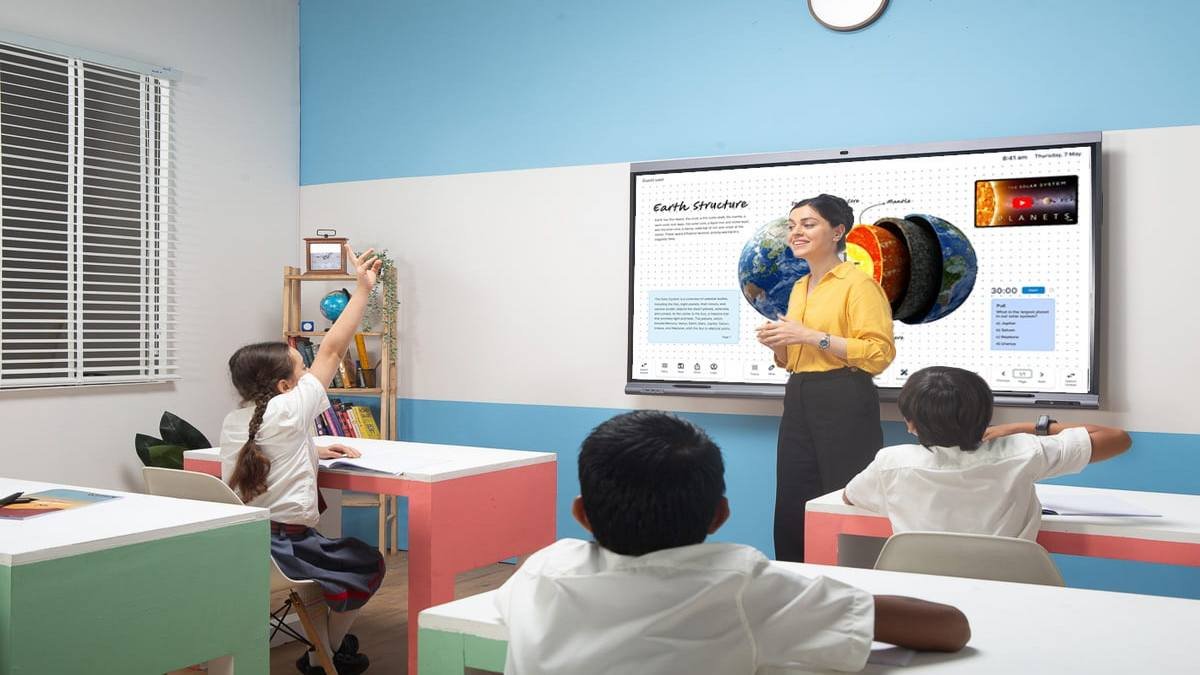
The Australian classroom landscape is evolving rapidly. Traditional blackboards and whiteboards are being replaced by Digital teaching with interactive panels, providing educators with a platform for dynamic lessons and collaborative learning. Schools in Sydney, Melbourne, Brisbane, and Perth are adopting this technology to enhance engagement, creativity, and student participation.
Interactive panels support multiple learning styles. Visual learners benefit from high-resolution graphics and video content, auditory learners engage with multimedia presentations, and kinesthetic learners can interact directly with the display, fostering a more inclusive and effective educational environment.
Fun Fact: According to Australian educational studies, students retain up to 70% more information when lessons are interactive and visually engaging compared to traditional lecture-style teaching.
Why Interactive Panels Are a Game-Changer
Interactive panels are not just large touchscreens—they are learning hubs. They combine multimedia, collaboration, and real-time interaction to keep students engaged. Key benefits include:
- Multi-Touch Technology: Enables several students to work simultaneously, promoting teamwork and peer learning.
- High-Resolution Visuals: Perfect for presenting videos, animations, and infographics.
- Seamless Integration: Works with laptops, tablets, cloud platforms, and classroom software.
- Remote Learning Friendly: Supports live-streaming lessons and recording for students in rural or remote areas.
Practical Tip for Teachers: Incorporate polls, quizzes, or real-time annotations directly on the panel to maintain attention and encourage participation throughout the lesson.
Top Benefits of Digital Teaching with Interactive Panels
| Benefit | How It Helps Students | Example in Australian Classrooms |
|---|---|---|
| Engagement | Keeps attention focused | Real-time quizzes during maths lessons in Melbourne schools |
| Collaboration | Encourages group work | Science problem-solving sessions in Sydney classrooms |
| Accessibility | Supports diverse learning styles | Interactive simulations for visual learners in Brisbane |
| Remote Learning | Ensures continuity | Students in rural Victoria join live-streamed history lessons |
| Creativity | Encourages innovative thinking | Students create digital storyboards using panels in Perth |
This table demonstrates that Digital teaching with interactive panels is versatile, addressing academic, social, and cognitive development goals.
Creative Uses in Classrooms
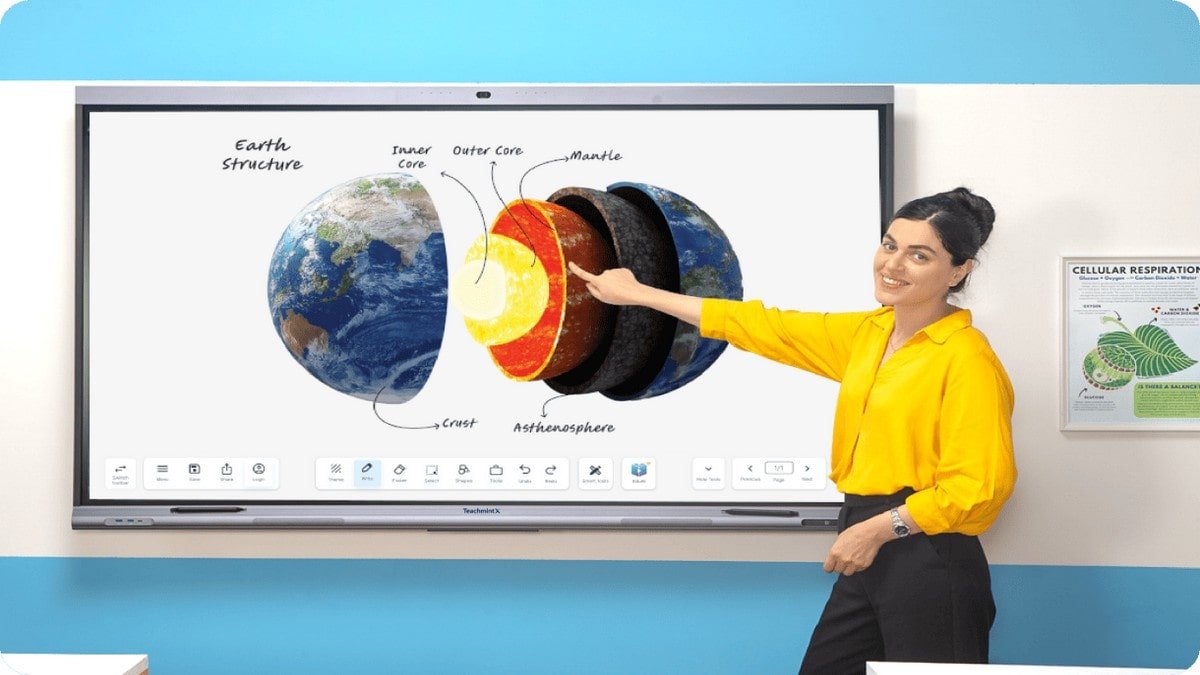
Interactive panels go beyond standard lecture delivery. Australian teachers are implementing them in innovative ways:
- Virtual Field Trips: Students explore the Great Barrier Reef or Australian Outback virtually without leaving the classroom.
- Interactive Storytelling: Literature lessons come alive with animations, sound effects, and group participation.
- Gamified Learning: Math or science lessons can include competitive quizzes and team challenges.
- Student Presentations: Panels allow students to display and annotate projects, fostering communication and public speaking skills.
- STEM Simulations: Physics or biology experiments can be visualized digitally, reducing the need for expensive lab setups.
Teacher Insight: Incorporating creative activities improves retention and encourages students to think critically rather than memorize passively.
Enhancing Remote Learning
Interactive panels are particularly effective for hybrid or remote learning. They enable students across Australia, from urban centers to remote towns, to access lessons in real-time or asynchronously. Features include:
- Live streaming with high-definition visuals
- Remote annotations and feedback
- Integration with Learning Management Systems (LMS)
- Recording and archiving lessons for later review
This technology ensures that Digital teaching with interactive panels bridges geographic gaps, giving rural students the same opportunities as those in metropolitan classrooms.
Teacher Empowerment and Classroom Management
Interactive panels empower teachers by simplifying lesson delivery and classroom management:
- Run multiple applications simultaneously
- Annotate over slides, images, or documents in real-time
- Save and share lessons for future reference
- Track student participation using built-in analytics
School administrators also benefit. In Australian classrooms, panels can be managed centrally:
- Remotely update content
- Monitor usage across multiple classrooms
- Perform maintenance with minimal downtime
Pro Tip: Teacher training workshops are essential for effective adoption. Hands-on sessions allow educators to explore interactive features, integrate digital content, and design lessons that maximize engagement.
Complementary Technologies
Interactive panels integrate seamlessly with other technologies to extend their educational impact. These complementary tools can be referenced or linked for further reading:
- The Role of Digital Signage in Crisis Communication: Panels can display urgent messages, school announcements, and safety alerts.
- SMD vs COB Technology in LED Video Walls: Understanding advanced display technology can help schools plan for future upgrades and choose long-lasting, high-quality panels.
- Integrate Digital Signage with Social Media: Share student achievements, project work, or school events online to increase engagement with parents and the community.
- Virtual Production with LED Walls: Emerging visual technologies inspire creative teaching techniques in media, design, and performing arts classes.
Note: Each linked resource is positioned in a separate section to avoid clustering keywords.
Implementation Checklist for Schools
Step-by-step guide to implement interactive panels in classrooms:
- Assess Needs: Identify subjects and classrooms that benefit most from interactive displays.
- Teacher Training: Comprehensive workshops ensure confident use of hardware and software.
- Curriculum Integration: Lessons should align with learning objectives while leveraging interactive features.
- Content Management: Use centralized systems to manage lessons and updates efficiently.
- Monitor Engagement: Collect analytics on student participation and lesson effectiveness.
- Iterate & Improve: Adapt teaching strategies based on feedback from students and teachers.
Real-World Examples in Australia
- Melbourne: Year 10 science classes use panels for collaborative lab simulations, improving understanding of physics concepts.
- Sydney: Literature classes incorporate interactive storytelling, allowing students to animate characters and scenes while discussing plot elements.
- Brisbane: Remote students participate in maths challenges and group activities via interactive panels.
- Perth: Teachers integrate STEM lessons with real-time simulations, encouraging students to test hypotheses digitally.
These examples highlight measurable improvements in student engagement, collaboration, and retention.
Fostering Creativity and Digital Literacy
Digital teaching with interactive panels fosters creativity, critical thinking, and digital literacy. Students learn to:
- Navigate digital tools confidently
- Collaborate in online and in-person settings
- Solve problems using interactive simulations
- Present ideas visually and verbally
Gamified lessons, interactive quizzes, and collaborative whiteboarding enhance motivation and participation, preparing students for the digital workforce of tomorrow.
Future Outlook
The adoption of Digital teaching with interactive panels is expected to grow across Australia. Future developments may include:
- AI-driven content suggestions: Personalized learning paths for students
- Virtual collaboration spaces: Multi-school projects and competitions
- Real-time assessment analytics: Instant insights into learning progress
- Adaptive tools for special needs: Tailored lessons for students requiring additional support
Early adopters in Australian schools are already experiencing enhanced engagement, improved outcomes, and stronger digital skills among students.
Quick Tips for Teachers
- Rotate group activities to ensure all students interact with the panel
- Mix visual, auditory, and kinesthetic learning approaches
- Encourage student-led lessons for peer learning
- Track engagement metrics using panel software
- Integrate multimedia resources to make abstract concepts concrete
Conclusion
Digital teaching with interactive panels is transforming classrooms across Australia. From enhancing engagement and collaboration to supporting remote learning and fostering creativity, interactive panels have become an essential tool for modern education. Schools in Sydney, Melbourne, Brisbane, and Perth are setting the standard, showing how technology elevates teaching and prepares students for a digitally-driven future.