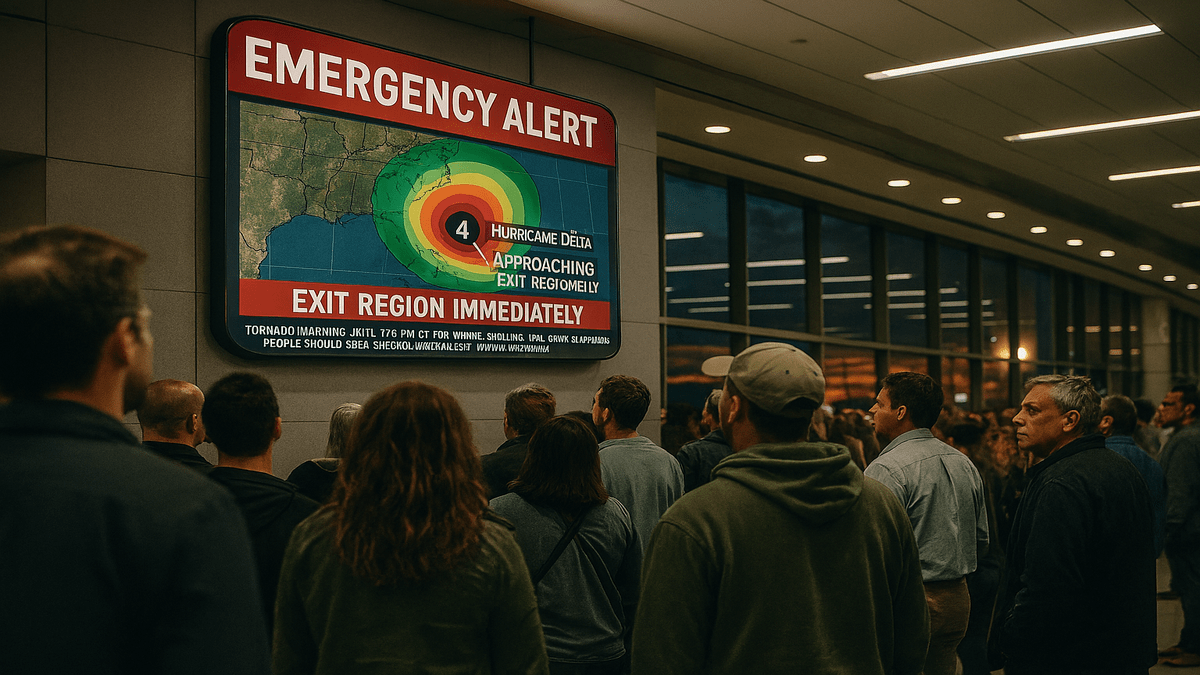
In moments of uncertainty—whether caused by natural disasters, security incidents, or health emergencies—communication is everything. When every second counts, the ability to share clear, accurate, and timely information can save lives. That is precisely The Role of Digital Signage in Crisis Communication: providing a real-time, visual, and reliable way to reach people where they are.
Traditional communication tools such as print notices or emails often fail during crises. People may not check their phones, or networks might be down. Digital signage, however, can deliver messages instantly and directly to public spaces, ensuring visibility even in chaotic environments. From airports and hospitals to schools and transport systems, these displays have become vital tools for emergency preparedness and response.
Why Digital Signage Matters in Emergency Situations
During an emergency, clarity and speed of communication determine how effectively people respond. With digital signage, messages can be updated in seconds, offering dynamic and visual alerts that capture attention better than static posters or verbal announcements.
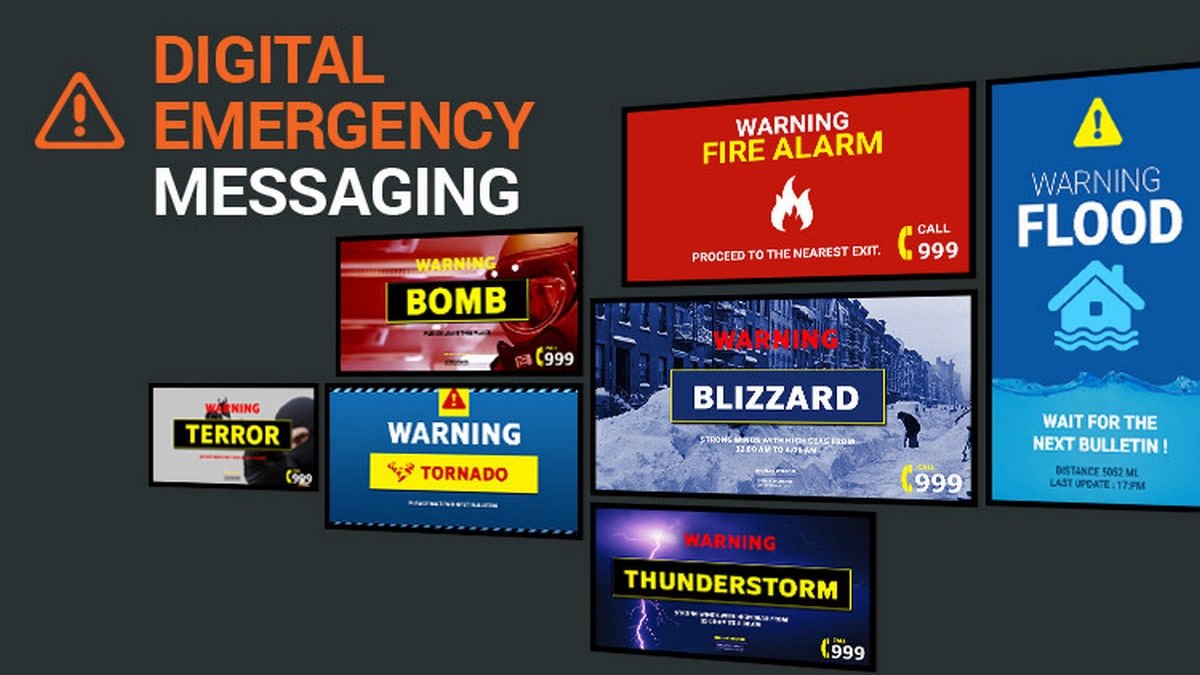
The key strength of The Role of Digital Signage in Crisis Communication lies in its flexibility. Whether it’s broadcasting evacuation routes, safety instructions, or real-time weather updates, digital displays can adapt instantly to changing circumstances. They are ideal for reaching large crowds, guiding them safely, and reducing confusion during stressful moments.
Moreover, digital signage integrates seamlessly with alert systems, allowing automated messages to appear simultaneously across multiple screens when a crisis is detected. This networked capability ensures consistency and reliability—critical factors during emergencies.
Building Trust Through Transparency and Accuracy
In times of crisis, trust in information sources becomes fragile. People are bombarded with rumors, social media noise, and misinformation. Digital signage provides an opportunity for organizations to establish themselves as credible voices. When messages come from familiar, authoritative sources—such as government agencies, healthcare providers, or corporate leaders—displayed clearly on-screen, they convey reassurance and authority.
Organizations can also leverage display technology to ensure visibility in diverse environments. For example, understanding SMD vs COB Technology in LED Video Walls helps decision-makers select display panels that maintain clarity and brightness even in outdoor or high-ambient-light conditions. High-quality visuals make information more legible, improving comprehension and compliance with safety instructions.
Strategic Placement and Network Design
To maximize effectiveness, digital signage systems must be strategically placed. Displays at key decision points—entrances, corridors, waiting areas, and exits—ensure people receive updates when they need them most. Integrating multiple screen types and sizes allows for redundancy in case one screen fails or power is lost in part of a building.
Another critical element of The Role of Digital Signage in Crisis Communication is accessibility. Information should be presented in multiple languages, with audio support for the visually impaired and visual cues for those with hearing difficulties. This inclusivity reinforces safety for everyone, regardless of background or ability.
In corporate or government buildings, modern display technology is evolving rapidly. Many facilities choose to Use Transparent LED Screens in Corporate Buildings to balance aesthetics with functionality—allowing natural light while still serving as emergency communication tools. This dual-purpose design ensures preparedness without sacrificing architectural beauty.
Integration with Broader Communication Systems
Digital signage should never exist in isolation. Its true power emerges when it’s part of a broader, connected ecosystem. Integration with mobile alerts, email notifications, and internal communication channels ensures a unified crisis response.
For example, during a natural disaster, a central control system can trigger visual alerts across all displays simultaneously. Real-time data from weather APIs or security systems can automatically adjust messages based on threat level or affected areas. This interconnected network transforms signage from a passive display into an intelligent communication hub.
In some cases, organizations may choose to Integrate Digital Signage with Social Media, enabling live updates from official Twitter or government feeds. This approach ensures consistency between digital and online messages, reducing misinformation and strengthening public confidence.
Maintaining Operational Continuity During a Crisis
Continuity is critical during emergencies. When power outages or infrastructure failures occur, well-planned digital signage networks equipped with backup power and offline functionality can still operate. Pre-loaded emergency messages ensure that even if internet connectivity is lost, the system can display essential information like evacuation routes or safety instructions.
Organizations that understand The Role of Digital Signage in Crisis Communication plan ahead by developing content libraries and response protocols. This preparation minimizes delays and ensures quick adaptation to evolving situations.
Hardware reliability is another essential factor. Weatherproof screens, tamper-resistant mounts, and robust enclosures ensure displays remain operational under harsh conditions. In outdoor environments, Double-Sided Digital Signs can be especially effective—visible from multiple directions, providing crucial information to both pedestrians and vehicle traffic simultaneously.
Psychological Impact and Human Behavior
In times of panic, humans seek visual cues. Bright screens with concise, trustworthy messages guide behavior and reduce chaos. The emotional reassurance of seeing official communication helps maintain order and calmness. Visual reinforcement, combined with concise text and clear graphics, ensures people know what to do next.
Digital signage also enhances the sense of organizational readiness. When people see screens displaying coordinated updates, they feel that someone is in control. This perceived competence fosters trust—one of the most valuable assets during a crisis.
Post-Crisis Recovery and Communication
The importance of digital signage doesn’t end when the crisis is over. In recovery phases, it plays a key role in rebuilding confidence, sharing updates, and acknowledging efforts made by staff and communities.
After-action messages—such as reopening notices, health advisories, or gratitude statements—can help restore normalcy. The same network that once displayed emergency warnings can later showcase community stories, upcoming events, or preventive measures for future resilience.
This versatility highlights once again The Role of Digital Signage in Crisis Communication as not only an emergency response tool but also a platform for long-term trust-building and brand integrity.
Future Trends: Smarter, More Responsive Systems
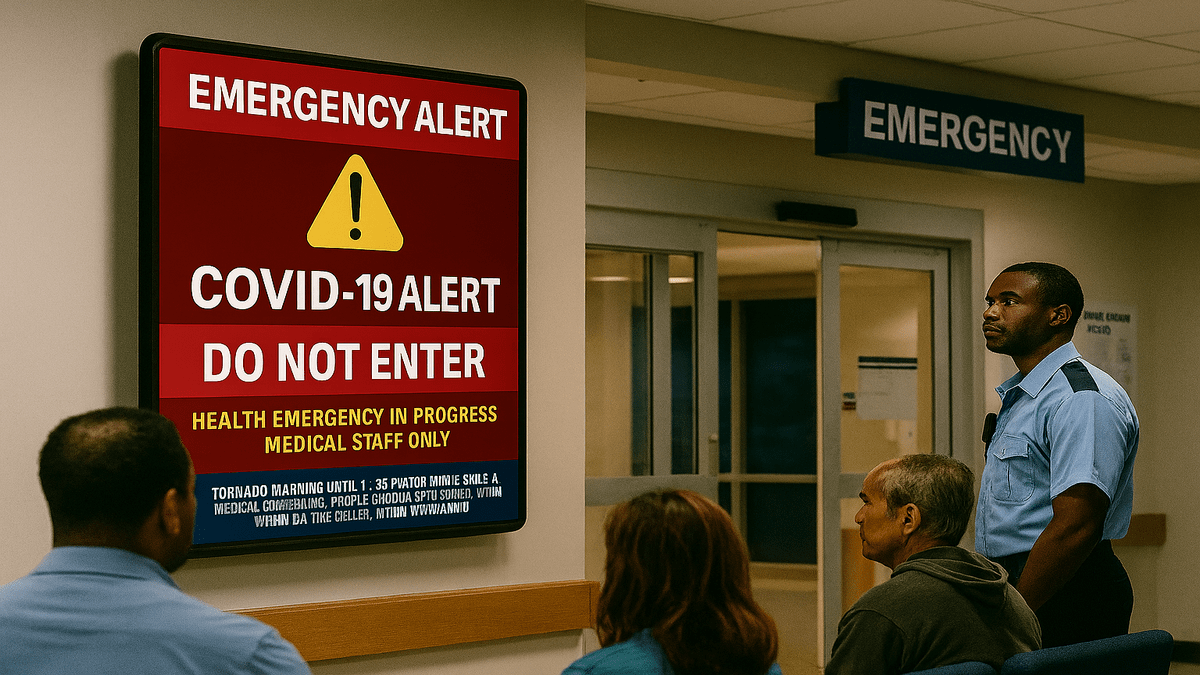
As technology evolves, digital signage is becoming smarter, more interactive, and context-aware. AI-driven systems can now analyze crowd behavior, automatically adjusting content to improve safety. Integration with IoT devices and sensors allows screens to react instantly to environmental triggers—such as smoke detection, temperature changes, or movement patterns.
Moreover, energy-efficient designs and sustainable materials are gaining traction, allowing organizations to maintain preparedness without compromising environmental goals. With continuous innovation, the future of The Role of Digital Signage in Crisis Communication looks increasingly proactive and intelligent.
Conclusion
Crisis communication is no longer a reactive process—it’s a proactive strategy. By deploying advanced display networks, organizations ensure that vital messages reach the right people at the right time.
Whether it’s guiding evacuations, sharing public health updates, or managing traffic flow, digital signage provides unmatched immediacy and reliability. It bridges the gap between digital information and physical reality—offering clarity in chaos.
Ultimately, understanding and leveraging The Role of Digital Signage in Crisis Communication empowers businesses, governments, and communities to respond faster, communicate better, and keep people safe when it matters most.