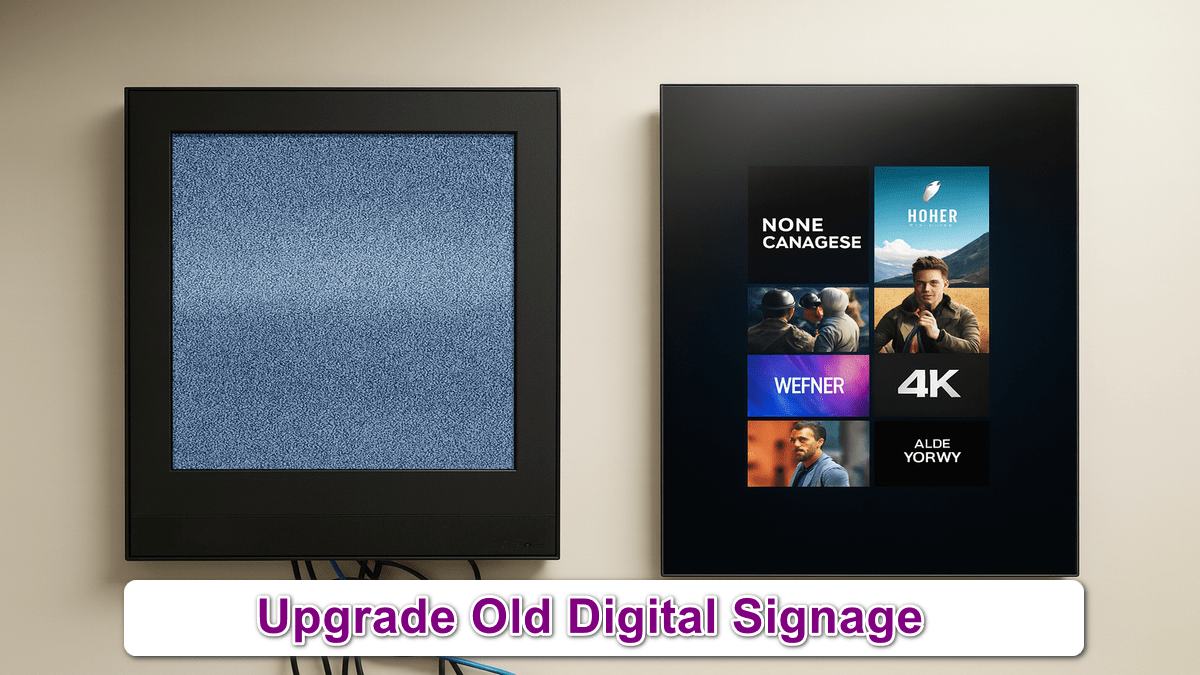
Digital signage has become a vital tool for businesses, educational institutions, retail stores and public spaces. If you’re still relying on outdated screens and legacy hardware, now might be the perfect time to upgrade old digital signage before hidden costs start eating into your bottom line. In this article, we’ll explore ten compelling reasons why refreshing or replacing your digital signage system is not just a luxury — it’s a necessity.
Reasons to Upgrade Old Digital Signage
Outdated digital signage may seem harmless, but the longer you keep aging screens and legacy hardware in service, the more they quietly drain your budget and limit your communication potential. From rising maintenance costs to declining performance, old systems often create hidden problems that modern technology can easily solve. Understanding the key reasons to upgrade old digital signage helps you make smarter decisions, improve efficiency, and ensure your messaging stays sharp, reliable, and impactful.
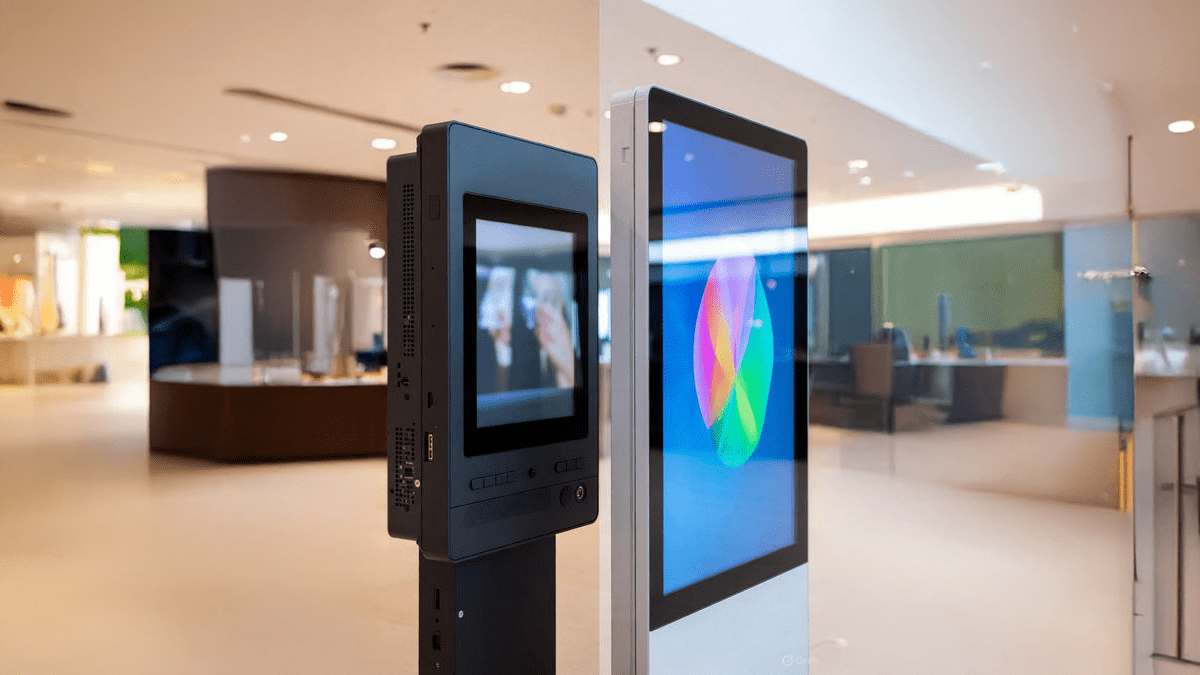
1. High Maintenance and Repair Costs
Over time, aging digital signage displays demand more maintenance. Faulty components, dimming backlights, and intermittent failures become common. These issues can lead to expensive repair calls and replacement parts. By choosing to upgrade old digital signage, you reduce the frequency of breakdowns, minimize repair bills, and free up your IT team to focus on more strategic tasks.
2. Rising Energy Consumption
Older digital signage hardware tends to be far less energy-efficient than newer models. As displays age, their power consumption can creep up, translating directly into higher utility bills. If you decide to upgrade old digital signage, you can benefit from energy-efficient panels that use advanced LED or OLED backlighting, significantly lowering wattage use and overall costs.
3. Poor Image Quality and Degraded Performance
As screens get older, colour calibration drifts, brightness diminishes, and image clarity suffers. This can make your messages less compelling and harder to read, reducing the impact of your content. When you upgrade old digital signage, you gain access to displays with better resolution, improved color accuracy, and more consistent performance — ensuring your content always looks its best.
4. Limited Software Compatibility
Legacy digital signage hardware often struggles to run modern content management systems (CMS) or new software platforms. That means you might be limited in the features you can use or forced to stick with outdated software. To truly optimize your communication strategy, it’s wise to upgrade old digital signage so you can run the latest, feature-rich CMS solutions that support interactive content, analytics, and scheduling.
5. Decreased Reliability During Peak Times
If your signage is critical for customer engagement, traffic flow, or advertising revenue, reliability is paramount. Older display units are more prone to crashes or slow boot-up times, especially when used in high-demand scenarios. By investing to upgrade old digital signage, you ensure your system runs reliably, even during peak hours, helping to retain your audience and maximize uptime.
6. Inefficient Content Delivery
Outdated digital signage may not support modern content formats, live video streaming, or real-time updates. This severely limits your ability to deliver dynamic, engaging content. Upgrading your platform means you can use advanced content features like interactive touch, live feeds, or real-time updates — making it easier to engage your audience and stay current.
Moreover, if you want to push the boundaries of education technology, you can even explore Digital Teaching with Interactive Panels, where students and teachers collaborate on large touch-enabled screens — an experience that simply isn’t possible with old signage hardware.
7. Security Vulnerabilities
Security is often overlooked but is critically important. Older systems may run on outdated operating systems or firmware with known vulnerabilities. Hackers could exploit these weaknesses, potentially taking over screens or hijacking your content. When you upgrade old digital signage, you can choose devices that support regular security updates, encryption, and robust user authentication — helping to protect your content, your brand, and your audience.
8. Lack of Scalability
If your organisation is growing or if you plan to expand your network of displays, outdated signage can become a bottleneck. Legacy screens might not support remote management, or adding new displays could require a complete overhaul. To future-proof your infrastructure, it’s smarter to upgrade old digital signage to systems that let you scale easily, support remote deployment, and integrate seamlessly across multiple sites.
9. Poor Return on Investment (ROI)
Ironically, sticking with old signage can cost you more in the long run. High maintenance, rising energy usage, and lost opportunity costs can eat into your ROI. By choosing to upgrade old digital signage, you open the door to lower operating costs, more efficient content strategies, and improved audience engagement — all contributing to a stronger return on your investment.
10. Missed Opportunities for Innovation
Perhaps the most compelling reason to upgrade is the potential for innovation. New digital signage technology enables you to do things that simply weren’t possible with your old system. For instance, you can run Virtual Production with LED Walls, creating immersive branded environments or real-time graphics that engage audiences on a deeper level. These capabilities let your business or organisation stay ahead of the curve and unlock new revenue streams.
Additional Strategic Benefits
Beyond the ten main reasons, upgrading your signage infrastructure can offer several strategic advantages:
-
Better Analytics and Insights: Modern systems often provide detailed usage data, dwell time, and interaction metrics. This means you can refine your content strategy based on real feedback.
-
Improved Crisis Communication: In emergency scenarios, having a reliable, up-to-date digital signage network can make all the difference. That’s why many organisations emphasise The Role of Digital Signage in Crisis Communication — outdated screens may not deliver urgent messages as swiftly or effectively as newer devices.
-
Social Media Integration: By investing in modern signage, you can integrate digital signage with social media, displaying real-time feeds, customer tweets, or Instagram posts directly on your screens to foster engagement and connection.
-
Sustainability Credentials: More efficient hardware reduces electricity consumption, and newer devices are often more recyclable — demonstrating environmental responsibility to customers, stakeholders, and regulators.
How to Plan Your Upgrade
Upgrading is not just about swapping out hardware; you need a clear roadmap:
-
Audit Your Current Setup: Identify which displays are most outdated, how often they break down, and their energy usage.
-
Set Clear Goals: Define what you want to achieve — lower costs, better image quality, remote management, or advanced interactivity.
-
Choose the Right Hardware: Select displays that provide the features you need, such as 4K resolution, touch capability, or built-in media players.
-
Select a Modern CMS: Use a content management system that supports scheduling, analytics, remote control, and software updates.
-
Pilot and Test: Start with a small group of screens in a test environment to verify performance, compatibility, and ROI.
-
Roll Out in Phases: Upgrade in phases (e.g., by department or location) to manage costs, minimise disruption, and measure impact.
-
Train Your Team: Teach your staff to use the new CMS and hardware effectively, so they can leverage the full potential of the upgrade.
-
Monitor and Adjust: Use analytics to track system health, audience engagement, and maintainability. Make changes as needed.
Conclusion
Deciding to upgrade old digital signage is not merely a matter of staying modern — it’s a smart business decision that impacts your operational costs, the quality of your content, your return on investment, and the potential for future innovation. From reducing maintenance and energy bills to unlocking capabilities like interactive displays and immersive LED walls, there are numerous compelling motivations to make the switch now rather than later.
If you wait too long, the risks of downtime, security vulnerabilities, and escalating costs may outweigh any short-term savings. By proactively planning and executing an upgrade strategy, you’ll position your organisation for success — with more reliable signage, smarter content delivery, and the flexibility to grow as your needs evolve.