Stand Out with Outdoor LED Screens Across Melbourne & Sydney
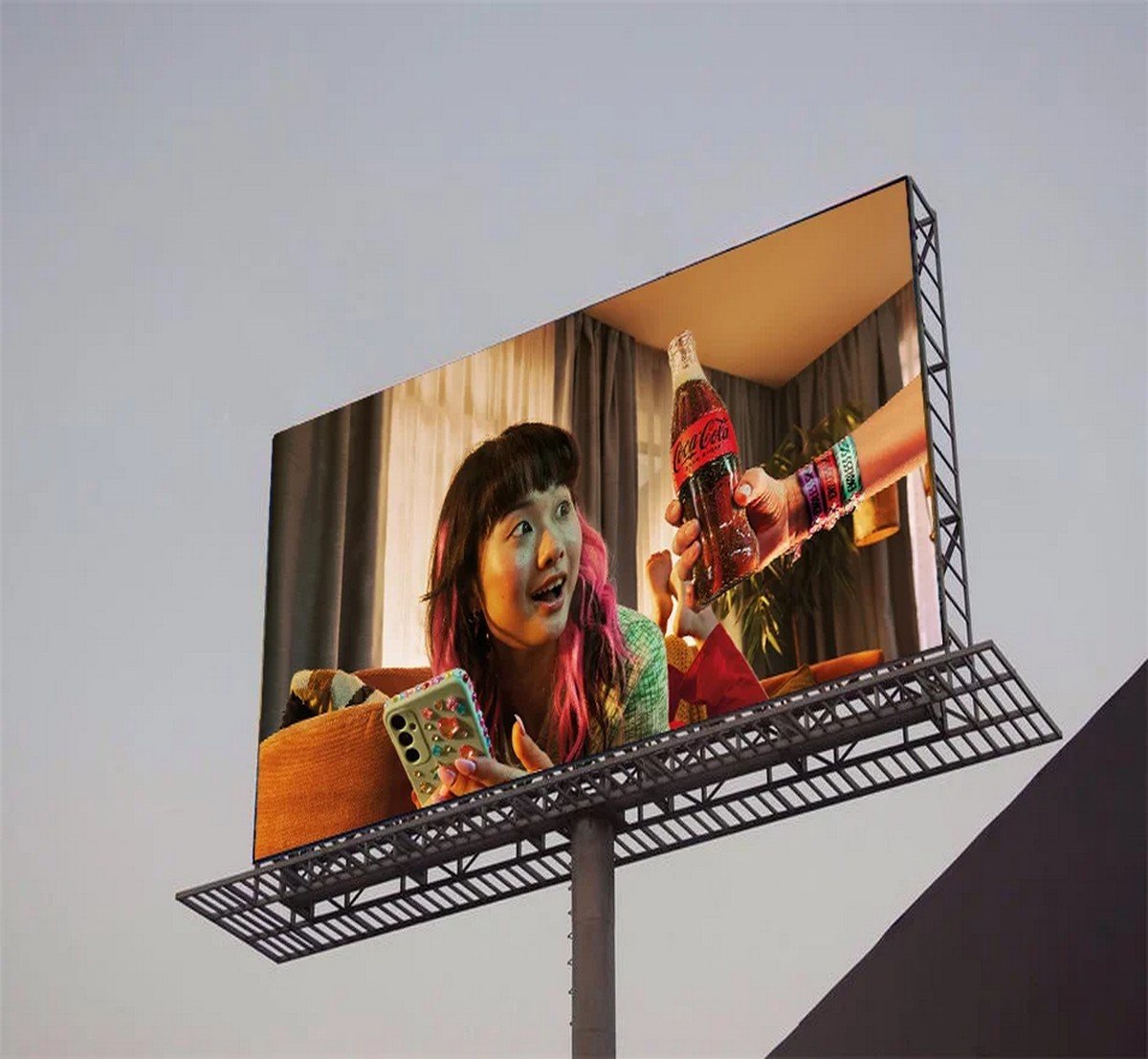
An Outdoor LED Screen is a high-performance digital display engineered to deliver vivid, crystal-clear visuals in open-air environments, no matter the weather or lighting conditions. Using high-brightness LEDs and weather-resistant enclosures, these screens maintain excellent visibility even under direct sunlight. Our Outdoor LED Screen solutions are ideal for advertising billboards, stadium scoreboards, public event displays, transportation hubs, and outdoor entertainment venues. We proudly provide our Outdoor LED Screen services to businesses and organizations across Melbourne and Sydney, offering professional installation, maintenance, and tailored solutions to meet local requirements.
Outdoor LED Screen Portfolio At AXELERON
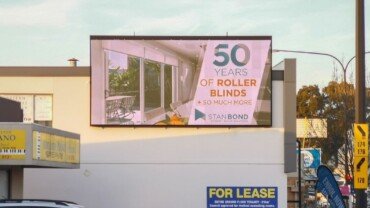
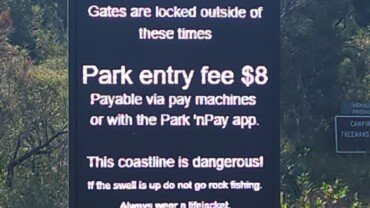
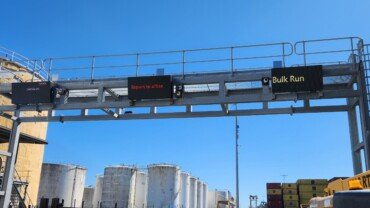
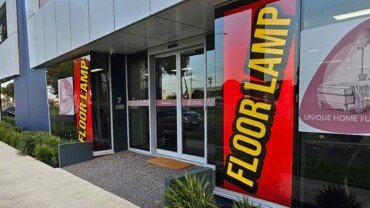
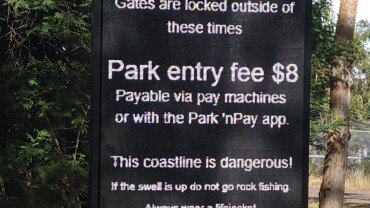
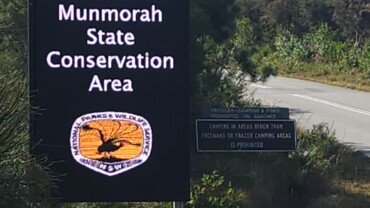
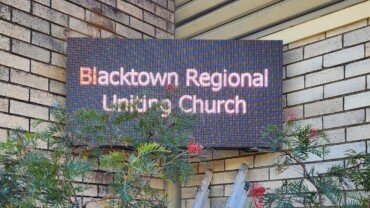
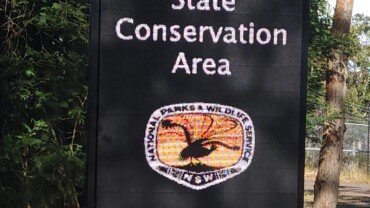
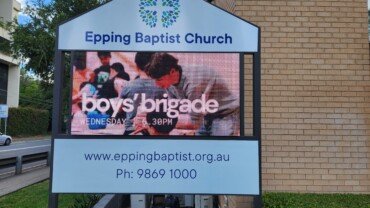
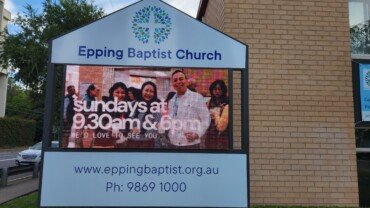
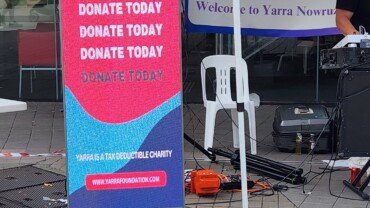
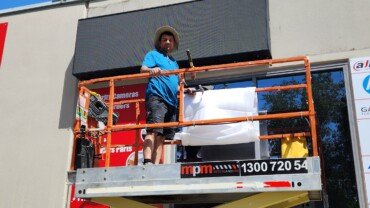
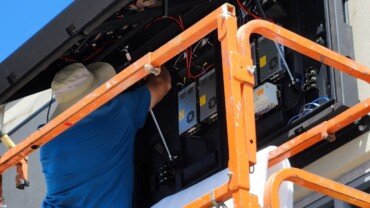
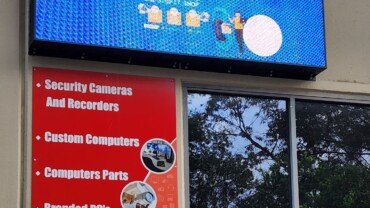
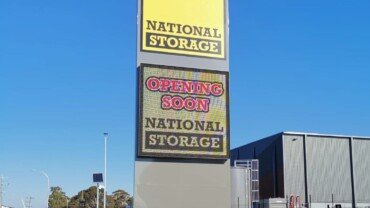

Stand Out with Outdoor LED Screens in Melbourne & Sydney
Built to Shine Outdoors: Durable, Bright & Powerful LED Screens Across Melbourne & Sydney
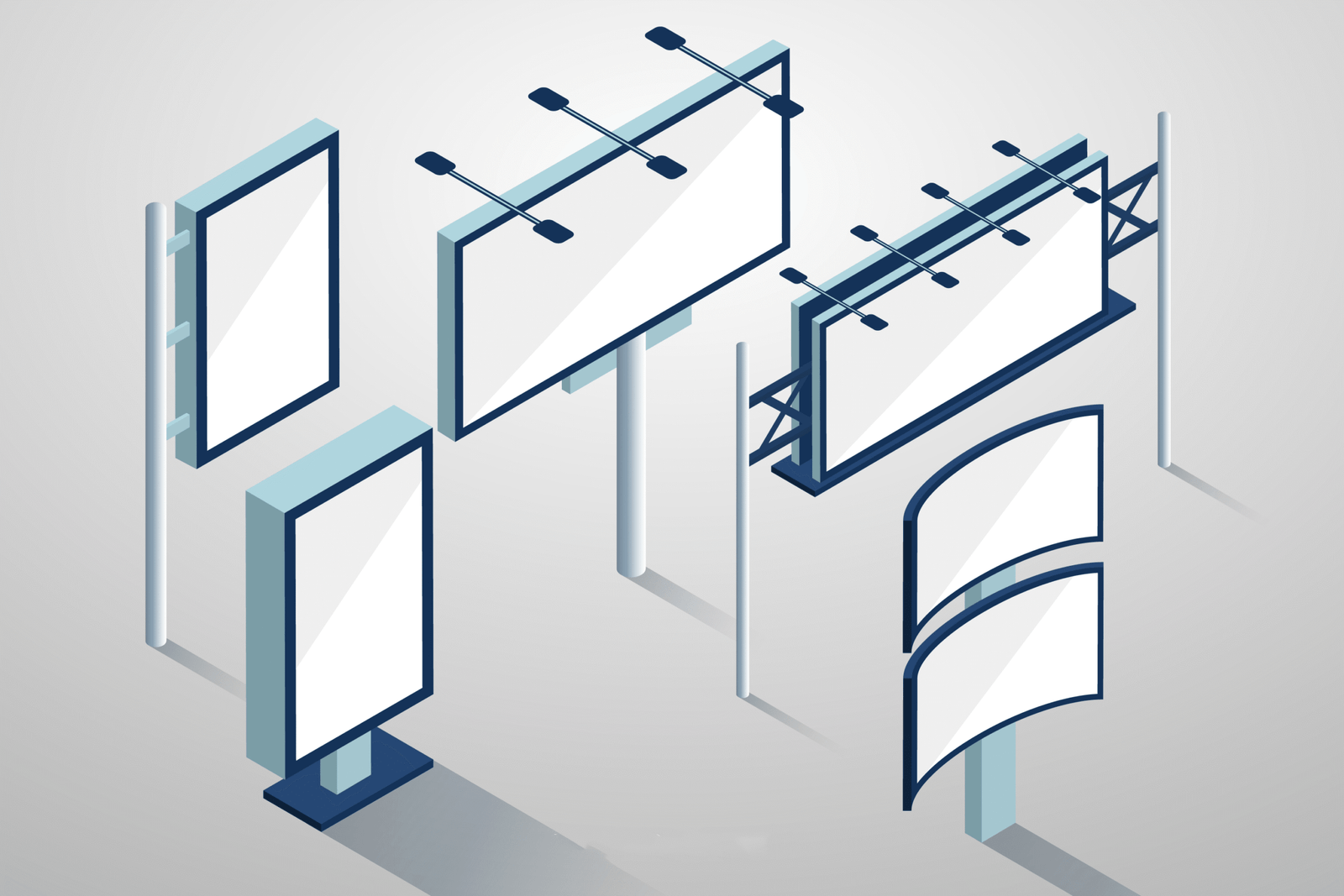
Weatherproof Design
Our outdoor LED screens are built to withstand rain, dust, heat, and snow, ensuring uninterrupted performance. We deliver these high-performance solutions across Melbourne and Sydney.
Ultra-High Brightness
With brightness levels up to 10,000 nits, our screens remain clearly visible under direct sunlight, making them perfect for billboards, building facades, and roadside signage.
Energy Efficient Technology
Our outdoor LED screens are equipped with power-saving drivers and intelligent control systems that reduce energy consumption while maintaining vivid color and brightness.
Flexible Mounting Options
From wall installations to freestanding structures and custom architectural integrations, our displays are built for versatile mounting, offering visual impact without design limitations.
Remote Monitoring & Control
With cloud-based management, our Outdoor LED screen solutions offer remote diagnostics, content scheduling, and performance alertsو ensuring optimal uptime and quick support.
Vibrant, High-Contrast Display
With cloud-based management, our Outdoor LED screen solutions offer remote diagnostics, content scheduling, and performance alertsو ensuring optimal uptime and quick support.
Number of our installed Outdoor LED Screens in Melbourne & Sydney
Fill out the form for consultation and information
Outdoor LED Screens for Australian Businesses
Make your location harder to overlook with an outdoor LED screen designed around your message, viewing distance and installation environment.
AXSS provides customised outdoor LED display solutions, with installation and maintenance services in Melbourne and Sydney. From a building-mounted advertising screen to a freestanding display, discuss a configuration that suits your site, content and commercial priorities.
Promote a new offer, announce an upcoming event or make your business easier to recognise. Start with the location and the audience; then select the screen that fits.
Request an Outdoor LED Screen Quote
Discuss Your Installation
Outdoor LED Display Solutions Built Around Your Site
An outdoor LED screen is a direct-view display that uses light-emitting diodes to create text, images and video. Its display surface is assembled from modules and cabinets, allowing different screen dimensions and layouts. Brightness, environmental protection and service access distinguish the suitability of an outdoor configuration.
The starting point is not simply the largest screen your budget allows. It is the message you need people to understand, where they will see it and how the installation will be managed.
Tell us whether your audience is approaching a business entrance, standing in an outdoor venue or viewing a display across a forecourt. Include your preferred screen position, available space and expected operating hours. These details give the project a practical brief before individual specifications are compared.
Wall-Mounted Outdoor LED Screens
A wall-mounted display places digital messaging on a building exterior. Consider this format when the proposed viewing area faces an existing facade and the display can be integrated with the property’s appearance.
Discuss the supporting wall, mounting height, cable routes and maintenance access before choosing dimensions. A clean visual result should not come at the expense of being able to inspect or service the equipment later.
Freestanding Outdoor LED Displays
A freestanding screen provides an alternative where the display should sit away from the building. Potential locations include business entrances, commercial forecourts and outdoor gathering areas, subject to site suitability and approvals.
Treat the supporting structure as part of the project, not an accessory. Ask how foundations, structural design, access and surrounding movement will be assessed alongside the screen itself.
Custom Screen Sizes and Configurations
AXSS offers customised outdoor display configurations. Discuss the available wall area, desired proportions and content format rather than selecting dimensions in isolation.
For unusual proportions, request a content preview at the proposed native resolution. This helps establish whether your branding, promotional messages and imagery will work within the available display area.
Choose an Application Before Choosing a Specification
Give your outdoor display a clear job. A business identification screen, a promotional display and a venue information board should not automatically receive the same brief.
For retail and commercial premises, prioritise the message customers need before entering: who you are, what is available and where to go next. Keep changing promotions separate from essential identification so the business remains recognisable throughout the content schedule.
For hospitality and entertainment venues, plan content around the visitor journey. Opening information, upcoming performances and relevant promotions should be easy to distinguish. Consider whether visitors are walking past, waiting nearby or already inside the venue boundary.
For sports and event environments, define the intended inputs before selecting equipment. Recorded content, sponsor messages and live production have different requirements. Ask which controllers, connections and additional equipment would be needed for your specific use.
For community facilities, make the primary task clear: event information, announcements or directions. Establish who approves messages and who updates them. Do not assume a general advertising display is suitable as the sole channel for critical safety communications.
How to Choose the Right Outdoor LED Screen
Match Pixel Pitch to Viewing Distance and Content
Pixel pitch is the distance between the centres of adjacent pixels, measured in millimetres. A smaller pitch places more pixels within the same physical area, supporting finer detail and closer viewing. However, the smallest available pitch is not automatically the best purchase.
Begin with the closest important viewing position, then consider the wider audience. A screen used to present detailed information to nearby visitors needs a different assessment from a large display showing a short message across an open area.
Use viewing-distance rules as preliminary guidance, not a guarantee. Content detail and how viewers move through the space also matter. Review a representative design at the intended size and distance before committing to a configuration.
Understand Physical Size and Native Resolution
Screen dimensions describe the physical display area. Native resolution describes the number of pixels available to reproduce your content. Increasing physical size does not automatically produce a particular resolution.
As an illustrative calculation, a 6,000 mm × 3,000 mm display with an exact 5 mm pitch would contain approximately 1,200 × 600 pixels. At an exact 10 mm pitch, the same area would contain approximately 600 × 300 pixels. Actual dimensions must align with the selected modules and cabinets.
Use this distinction when reviewing quotes. A display that accepts a 4K input is not necessarily a native 4K screen. Ask for both the supported input formats and the finished display’s pixel dimensions.
Balance Daylight Visibility With Night-Time Control
Outdoor LED brightness is commonly specified in nits. Suitable brightness depends on the installation, including surrounding light and exposure to sunlight. Available commercial products have different brightness capabilities; the specification should therefore belong to the proposed model, not to outdoor screens as a whole.
Consider brightness control as well as maximum output. Ask whether the proposed system includes an ambient light sensor, automatic adjustment or scheduled dimming. Adaptive control can reduce output as surrounding light falls rather than leaving the screen at an unnecessarily high daytime setting.
During planning, discuss nearby properties, the intended operating schedule and any approval conditions. The objective is readable content appropriate to its surroundings, not maximum brightness at every hour.
Check Environmental Protection and Service Access
Outdoor suitability should be supported by the manufacturer’s documentation. Check the stated protection for both the front and rear of the display, because these ratings can differ within a product range. Service access also varies between models.
Do not treat an IP rating as a promise of unlimited resistance to every outdoor condition. For example, even a product rated IP66 is not necessarily protected against full immersion. Temperature limits and installation requirements need separate consideration.
For an exposed, coastal or unusually hot location, ask for an explicit suitability assessment rather than relying on the word “weatherproof”. Discuss cabinet materials, ventilation, drainage, cable entries and access for inspection with the project team.
Review the Real Viewing Position
Check the proposed screen from the places where the message needs to work. Include approach paths, off-centre positions and the closest intended audience, rather than evaluating the display only from directly in front.
Use a sample containing your actual logo, typical headline and intended imagery. Assess whether the message is understandable without requiring viewers to search through small text or competing elements.
A Practical Selection Example
Imagine a business planning a screen above its entrance. The initial request is for the largest display that fits, showing several product offers, a logo and contact details together.
Before choosing equipment, simplify the brief. Identify where customers first notice the entrance, which message matters at that point and whether the display needs to communicate to people nearby or across the property.
Prepare two content layouts: one with a single offer and clear branding, and another with the additional details originally requested. Review both at the proposed dimensions and intended viewing positions. Keep the layout that communicates the essential message without requiring closer inspection.
Then compare suitable configurations against that chosen layout. This gives the purchase decision a practical test rather than allowing a specification sheet to decide the message. It is an illustrative planning exercise, not a description of an AXSS customer project.
Compare Outdoor LED Screen Specifications Clearly
Use a written specification to compare proposals on the same basis. Request details for the complete installed configuration, including the control system, rather than relying only on a cabinet model name.
| Specification | What to confirm in your proposal |
|---|---|
| Display dimensions | Finished width, height, depth and active display area |
| Pixel pitch and resolution | Exact pitch and total native pixel dimensions |
| Brightness | Rated output and available dimming controls |
| Environmental protection | Front and rear IP ratings, temperature limits and installation conditions |
| Power | Maximum load, estimated average demand and calculation assumptions |
| Mounting and access | Supporting structure and front or rear servicing arrangements |
| Control system | Controller, media player, supported inputs and software |
| Connectivity | Required network connection and behaviour during an outage |
| Support | Warranty terms, spare parts arrangements and maintenance scope |
Mark items as included, optional or supplied by others. This makes a comparison more useful than choosing between quotes that appear similar but cover different work.
How Much Do Outdoor LED Screens Cost in Australia?
For your project, compare the cost of a working installation rather than the advertised price of LED panels alone. Request a site-specific estimate that separates display equipment from construction, installation and ongoing operation.
A useful budget should explain what is included, which assumptions remain open and what could change after a site inspection. Avoid treating a price per square metre as a complete project price unless the associated scope is clearly defined.
Screen Supply Versus Installed Project Cost
Ask for an itemised proposal covering the screen and control equipment, supporting structure, installation labour, access equipment, electrical and data work, commissioning and training.
Where applicable, identify engineering, approval-related work, delivery and removal of existing signage separately. Confirm whether software licences or support arrangements create recurring charges.
Require prices in Australian dollars and a clear statement of whether GST is included. When comparing alternatives, use the same dimensions, installation assumptions and service scope.
Where to Focus Your Budget
Start with the decisions that determine whether the display will do its job: the viewing area, content readability, location suitability and practical maintenance access.
Do not automatically select a finer pixel pitch simply because it appears more advanced. A pitch smaller than the application requires may add cost without delivering a meaningful benefit to the intended audience.
Similarly, question any saving that removes work you will still need to arrange. Compare what you will receive at handover, not just what arrives on a delivery vehicle.
Estimate Electricity Costs Using Stated Assumptions
Ask for maximum electrical demand separately from estimated average consumption. Use the proposed configuration and intended operating schedule for budgeting; do not assume a headline power figure represents every hour of operation.
The basic calculation is:
Daily electricity cost = average system demand in kW × operating hours × electricity usage rate per kWh.
For a purely illustrative example, assume a 10 m² display averages 200 W/m², operates for 12 hours each day and uses an assumed electricity rate of AUD 0.30/kWh.
That produces 2 kW of average screen demand, 24 kWh per day and an estimated usage cost of AUD 7.20 per day, or AUD 216 over 30 days.
These are hypothetical inputs, not AXSS product specifications or a current electricity tariff. Allow separately for other equipment, applicable charges and differences between assumed and measured consumption.
Confirm the Proposal Before You Approve It
Keep a single approved specification with the final quote. Record the equipment configuration, scope exclusions, responsibilities, payment milestones and dependencies that affect the programme. Resolve unclear descriptions before proceeding.
Where two options remain, request a comparison focused on the differences that matter to your brief. That might mean a different viewing experience, maintenance arrangement or content workflow rather than a longer feature list.
Retain the agreed documentation for handover and future support. A clear purchasing record makes it easier to check that the delivered system matches the configuration and services you selected.
Discuss Your Screen Configuration and Project Budget
Outdoor LED Screen Installation and Approvals
AXSS provides outdoor LED screen installation services in Melbourne and Sydney. Discuss the complete installation scope early, including the work provided by AXSS and any tasks requiring other project participants.
Start With a Site Assessment
Provide photographs showing the proposed screen position and the surrounding area. Include approximate dimensions, viewing locations, available access and any existing signage you intend to replace.
The site review should resolve the practical questions: where the screen will sit, how it will be supported, how equipment can reach the location and how future servicing can be carried out.
For leased premises, establish the property owner’s requirements before committing to the final location. Make responsibility for obtaining permissions explicit in the project scope.
Resolve Structure, Power and Data Requirements
Agree on the structural design process and the electrical supply requirements before installation is scheduled. Ask which supporting documents, drawings and checks are included, and who is responsible for each deliverable.
Plan cable pathways, connection points and equipment locations together. Keep access to isolation and service areas in the discussion rather than leaving these decisions until the screen has been mounted.
The installation brief should also identify how the display connects to the content management system and how that connection will be managed by your business.
Confirm Planning and Signage Requirements
Do not assume that permission for an existing static sign automatically covers a digital replacement. Check the proposed display with the relevant council or planning authority before placing an order.
In NSW, advertising and signage controls sit within the relevant state planning framework, including provisions for transport corridors. The assessment is not simply whether a screen physically fits the location.
Ask about the requirements affecting your site, including size, location, illumination, operating hours and permitted content behaviour. Requirements and approval conditions should be confirmed for the actual proposal; guidance for another property is not a substitute.
Product compliance is a separate matter. ACMA explains that overseas markings such as CE or FCC do not automatically establish that regulated equipment can be supplied in Australia. Request the relevant Australian compliance information for the proposed equipment.
Replacing an Existing Sign
For a replacement project, document what is already on site and what you intend to retain. Request a review of the existing support, mounting points, power and cable routes before assuming they can be reused.
Include removal, disposal and any making-good work in the agreed scope. Decide how your business will remain identifiable while the old sign is removed and the new display is installed.
Where trading access is important, discuss work areas and scheduling with the property manager. A replacement should be planned as a site change, not merely an exchange of display panels.
Complete Testing and Handover
Before accepting the installation, agree on a handover checklist covering display operation, representative content, brightness controls, scheduling and the management connection.
Include a demonstration for the people who will operate the system. Confirm where documentation is stored, how a support request is raised and what to do when the display does not behave as expected.
Manage Content Without Redesigning Your Workflow
AXSS offers remote content management for its outdoor display solutions. Discuss the available platform and the capabilities included in your proposed configuration.
Start with your content workflow. Who creates the artwork? Who approves it? Who publishes it? A single business owner may need a simple process, while a business with multiple contributors should define responsibilities before launch.
Plan a Useful Content Schedule
Build the initial schedule around a small number of clear messages. Separate permanent business information from time-sensitive promotions, and give every offer an owner and an expiry date.
Prepare artwork for the screen’s actual resolution and proportions. Use readable typography, strong contrast and a clear visual hierarchy. Review the design on the intended display rather than judging it only on a laptop.
For roadside-facing installations, establish permitted content behaviour before preparing animation or video. The creative plan should follow the site’s approval conditions, not precede them.
Keep an approved content library with the correct artwork dimensions, brand assets and contact details. Give each file a descriptive name so an operator can identify the campaign without opening every version. Before publishing, check prices, dates and the next action you expect from the viewer. Archive expired material instead of leaving it beside current campaigns. This creates a repeatable daily publishing process that your team can maintain after the initial display launch.
Confirm Connectivity and Recovery Behaviour
Ask what happens when the internet connection is interrupted: whether previously downloaded content continues, whether scheduled changes still run and how the system reconnects. These capabilities depend on the selected player and software; they should not be assumed.
Request a demonstration of the tasks your team will use most: updating a message, changing a schedule and checking that the correct content is assigned. Discuss account access, password management and available security controls before sharing credentials between staff.
Maintenance, Spare Parts and Warranty Support
Make aftercare part of the purchase discussion, not a question raised after the first fault. AXSS offers ongoing support and maintenance for outdoor LED screen installations; confirm the arrangement appropriate to your project.
Agree on a Practical Maintenance Scope
Ask for a maintenance schedule based on the selected equipment and its installation conditions. Clarify which checks are included, how service visits are arranged and whether access equipment needs to be booked separately.
Include the replacement process in the discussion. Establish which parts can be serviced, how compatible replacements are sourced and who checks the display after a repair.
Do not assume that remote troubleshooting and on-site repair are the same service. Set out the difference, including escalation arrangements and any additional attendance costs.
Read the Warranty Terms Before Ordering
Request the applicable warranty in writing. Check the covered equipment, duration, exclusions, claim process and whether labour, freight or site attendance are included.
Ask how software and control equipment are treated where they have separate terms. Confirm any maintenance or operating conditions relevant to the warranty and keep the final documents with your installation records.
A support promise is most useful when it explains what happens next. Ask who receives the fault report, what information they require and how the next action is communicated.
Build a Business Case for Your Outdoor Display
Define success before installation. The purpose may be to generate enquiries, advertise available products, strengthen business identification or keep visitors informed. Choose measures that reflect that purpose instead of assuming every display should be judged by the same outcome.
For a promotional screen, consider a dedicated offer code or an enquiry question that helps identify customer responses. Record the promotion dates, displayed message and relevant trading results. Compare similar periods where possible, while noting changes in pricing, opening hours and other marketing activity.
For an information display, review whether messages stay current, staff can publish updates confidently and visitors receive the information intended. Assign responsibility for regular content reviews rather than leaving the launch playlist unchanged indefinitely.
Budget for operation as well as purchase. Include artwork preparation, internal administration, connectivity, software where applicable and the agreed maintenance arrangement. Put those costs alongside the outcome you expect the screen to support.
Treat the display as a managed communication channel. Set a review date, document what worked and change the content or schedule where the results suggest a better approach. Avoid attributing every change in sales to the screen without supporting evidence.
Why Choose AXSS for Your Outdoor LED Screen?
AXSS works across custom digital signage, LED video walls and outdoor display solutions, with services spanning consultation, installation, content management and ongoing support.
Bring your commercial objective to the conversation, not just a preferred screen size. Whether you want clearer business identification, a more flexible promotional display or a better way to communicate venue information, the project should begin with that purpose.
Discuss equipment selection and installation together. Ask how the proposed display fits your content, site constraints and management preferences, then review the specification and scope before proceeding.
Explore Display Formats and Relevant Examples
Browse the outdoor LED screen gallery on this page to identify formats that resemble your proposed installation. Then ask about examples relevant to your location type, viewing distance and intended use.
Use that conversation to examine practical details beyond the photograph: the selected dimensions, installation approach, service access and content requirements. The most useful comparison is a project facing similar constraints, not simply the largest display.
Outdoor LED Screen Services in Melbourne and Sydney
AXSS provides outdoor LED screen services in Melbourne and Sydney, including tailored configurations, installation and maintenance. Share the site address early so the installation and support requirements can be discussed for the actual location.
For a Melbourne project, explain the proposed mounting position, audience and property requirements. For a Sydney project, provide the same details, including any constraints on access or the timing of works.
Enquiries from other Australian locations are welcome for discussion. Confirm equipment supply, installation availability, logistics and ongoing service arrangements with AXSS before making commitments. Coverage should be established for your project rather than inferred from a general service description.
Outdoor LED Screens: Frequently Asked Questions
How Much Does an Outdoor LED Screen Cost?
Request a quote for the complete project, including the display, controller, structure, installation and any additional work. Compare proposals with the same scope and assumptions. For a useful initial discussion, provide your location, approximate screen dimensions, installation photographs and the content you intend to show.
Which Pixel Pitch Should I Choose?
Choose pitch alongside viewing distance, display dimensions and content detail. A finer pitch can support closer viewing, but it is not automatically necessary for every application. Ask to review a representative content sample before finalising the configuration rather than relying on a single distance rule.
Will an Outdoor LED Screen Be Visible in Direct Sunlight?
An appropriately selected outdoor LED display can provide daylight visibility, but suitability depends on the particular screen and installation. Ask for the model’s brightness specification and assess the location’s light exposure. Include dimming requirements for lower-light operation in the same conversation.
Are Outdoor LED Screens Waterproof?
Check the exact front and rear IP ratings and the manufacturer’s installation conditions. “Outdoor” does not mean protection against every type of water exposure or every environment. Review temperature limits, mounting requirements and any site-specific protection needs alongside the published ingress ratings.
Do I Need Approval for a Digital Sign?
Check with the relevant council or planning authority before ordering. The answer depends on the site and proposal, not simply on whether you own the property. Confirm whether a new approval or modification is required, and identify any conditions affecting illumination, operation or content.
Can I Update My Screen Remotely?
AXSS offers remote content management. Confirm the software, player and connectivity included in your proposal, along with any licence charges. Ask for a demonstration of uploading content and scheduling changes, and establish what the system will do if the internet connection becomes unavailable.
How Long Does Installation Take?
Ask for a programme covering design, approvals where required, equipment supply, site preparation, installation and commissioning. Keep the overall project programme separate from the period of on-site work. Agree on a target after the scope, dependencies and access arrangements have been reviewed.
What Warranty and Maintenance Are Included?
The applicable terms should be confirmed in your written proposal. Review coverage for display components, control equipment, labour, freight and on-site attendance, and identify any separately priced maintenance services. Keep a copy of the agreed support process and contact details with your installation documentation.
Get a Quote for Your Outdoor LED Screen
Turn the idea into a clear project brief. Tell AXSS where the display will be installed, what you want it to communicate and who needs to see it.
Send your suburb or postcode, approximate available dimensions, a photograph of the location and your preferred timeframe. Include the expected viewing distance and typical content where possible. You do not need to arrive with every technical specification selected.
Discuss the screen, installation and ongoing operation together, then request a written proposal for the agreed scope.