A Transparent LED Screen combines vivid digital content with high see-through visibility, allowing viewers to enjoy both the media and the background. Ideal for glass facades, retail stores, showrooms, and event stages, we deliver Transparent LED Screen solutions across Melbourne and Sydney with professional installation, maintenance, and custom designs for maximum impact.
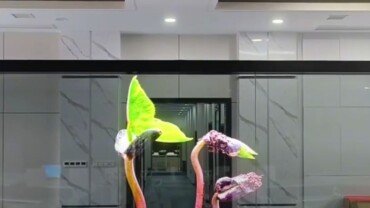
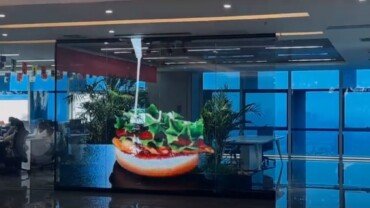
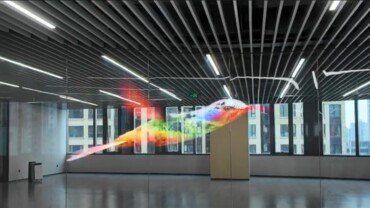
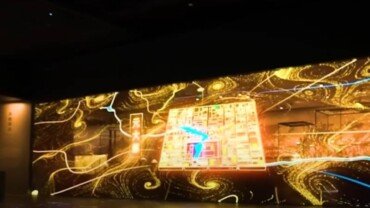
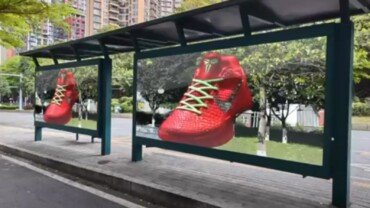
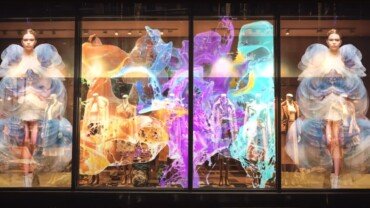
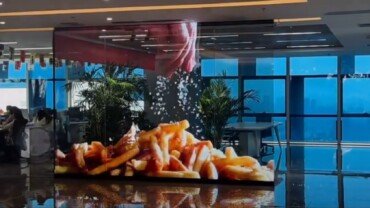

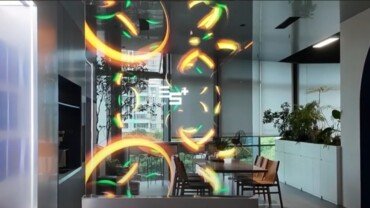
Allows up to 70–90% light transmission for clear visibility through the screen.
Easy to install on glass walls in Melbourne & Sydney without adding structural load.
Modular panels enable quick setup and front-access service for Melbourne & Sydney projects.
Bright, vibrant content even in daylight thanks to high brightness LEDs.
Low power consumption ensures reduced operational costs for businesses in Melbourne & Sydney.
Perfectly adapts to retail windows, office facades, and showrooms in Melbourne & Sydney.
Update content wirelessly through cloud-based CMS systems.
Available in various configurations to fit project needs in Melbourne & Sydney.
Turn glass windows, shopfronts and architectural spaces into dynamic digital experiences without completely blocking the view behind them.
Axeleron provides Transparent LED Screen solutions in Melbourne for retail stores, shopping environments, showrooms, corporate spaces, hospitality venues, exhibitions and architectural projects. These innovative LED displays combine high-impact digital content with see-through visibility, allowing businesses to communicate with passing audiences while maintaining the open appearance of their glass surfaces.
Unlike a conventional LED wall, which creates a solid visual surface, a transparent LED display is designed to preserve visibility and natural light around the LED structure. This makes transparent LED technology particularly useful where traditional screens could make a space feel closed, hide merchandise or interfere with the visual design of a shopfront.
Whether you are planning a transparent display behind a retail window in Melbourne CBD, a digital feature for a showroom, an LED installation within a corporate environment or a large customised display integrated with architectural glass, the right result depends on more than screen size alone.
Pixel pitch, viewing distance, transparency, brightness, mounting method, surrounding light, content design, maintenance access and the type of glass all need to be considered before the display is specified.
Axeleron can help businesses plan a transparent LED solution around the actual space, audience and content requirements rather than treating every installation as the same project.
Planning a Transparent LED Screen in Melbourne?
Speak with Axeleron about your glass dimensions, location, viewing distance and intended content to determine the most appropriate display configuration for your project.
A transparent LED screen is a digital display that uses strategically arranged LED modules, strips or light-emitting components to display video, animation, graphics and promotional content while allowing viewers to see through significant portions of the display structure.
The result is very different from a conventional television or solid LED wall.
When installed behind or around glass, transparent LED technology can create the appearance of digital content floating across a shop window or architectural surface. Depending on the display design and content being shown, customers may still be able to see products, people, lighting and interior architecture behind the screen.
This combination of digital content and see-through visibility is why transparent LED screens are increasingly considered for:
Retail shopfronts
Shopping centres
Luxury stores
Car showrooms
Corporate offices
Hotel and hospitality spaces
Galleries and museums
Exhibition environments
Entertainment venues
Architectural glass façades
Transport and public environments
A transparent display is not automatically the correct choice for every site. The screen must be matched to the viewing environment, and factors such as daylight, glass orientation, viewing distance and content style can significantly influence the final result.
Instead of creating a completely solid display surface, a transparent LED screen uses a structure that leaves open space between display elements.
LEDs produce the visible digital image, while the spaces between those components allow light and the background environment to remain visible.
From the intended viewing position, the human eye primarily notices the digital content rather than the supporting structure. When suitable content is used, dark or empty areas can visually disappear, creating the impression that graphics, text or animated elements are floating across the glass.
The exact construction varies between transparent LED technologies.
Some solutions use modular LED panels suspended or mounted behind glass. Others use thinner LED structures or transparent film-style systems designed for suitable glass surfaces.
Each approach has different strengths in areas such as:
Brightness
Transparency
Resolution
Pixel pitch
Weight
Installation
Serviceability
Scalability
Visual appearance
Cost
This is why screen selection should begin with the application rather than with a single specification.
Melbourne businesses often need to balance two competing requirements: creating strong visual communication while protecting the design and openness of a physical space.
A conventional screen can deliver powerful digital content, but it can also cover a significant portion of a glass shopfront or architectural feature.
Transparent LED helps address that challenge.
For retail businesses, a window is valuable space.
A traditional solid display can show advertising but may also hide merchandise and reduce visibility into the store.
Transparent LED allows businesses to introduce digital content while retaining a degree of visibility through the display.
Customers can see promotional media while still getting a sense of the products and environment behind the glass.
Large windows are common in retail, automotive, hospitality and corporate environments.
Instead of treating these surfaces as passive architectural elements, transparent LED technology can transform suitable glass areas into digital communication platforms.
Businesses can display:
Product launches
Promotions
Campaign videos
Brand animations
Event announcements
Seasonal messaging
Opening hours
New collections
Corporate content
Interactive campaign concepts
Content can also be changed without physically replacing printed graphics.
High-end retail stores, showrooms and offices often invest heavily in interior architecture.
Installing a large opaque screen may interrupt the visual relationship between the interior and the exterior.
Transparent LED can create digital impact without necessarily dominating the architectural environment in the same way as a solid display.
Movement naturally provides a different visual experience from a static poster.
With correctly designed digital content, a transparent LED window can present animation and video without completely converting the window into an opaque video wall.
Traditional window campaigns often require new printed material, production and physical installation.
Digital content can be updated much more efficiently once an appropriate screen and content management system have been installed.
This can be particularly useful for businesses that regularly change:
Pricing campaigns
Seasonal promotions
Product launches
Event messaging
Brand creative
Offers
Menus or schedules
Not every transparent LED display uses the same technology.
Understanding the main formats helps businesses select a solution that matches the building, visual requirements and budget.
Transparent LED panels typically use modular cabinet or frame-based structures containing LED components with open areas between them.
They are particularly useful when:
A large display is required
High visual impact is important
Modular expansion is needed
A permanent commercial installation is planned
Maintenance access can be incorporated into the design
Panel systems can be combined to build larger display areas based on the dimensions of the project.
The supporting structure, power, data routing and maintenance access should all be considered during planning.
Transparent LED film is another approach designed for compatible glass applications.
Depending on the product, this type of display can provide a slim visual profile and may require less visible supporting structure than a traditional modular panel installation.
Transparent film can be appealing where architectural appearance is particularly important.
However, the suitability of the existing glass, screen dimensions, service requirements, resolution, brightness and installation method all need to be reviewed before specifying this technology.
For larger architectural installations, an open LED mesh or similar structure may be considered.
These systems prioritise large-scale visual impact while maintaining substantial open space through the installation.
They can be relevant for atriums, façades and other large environments where a conventional display would appear too visually heavy.
One of the most common questions when planning a transparent display is whether a panel-based system or film-based solution is more appropriate.
There is no universal winner.
The better choice depends on the project.
| Factor | Transparent LED Panel | Transparent LED Film |
|---|---|---|
| Typical application | Retail windows, showrooms, large displays | Suitable existing glass, architectural applications |
| Structure | Modular panel/frame | Thin glass-associated format |
| Scalability | Strong for modular large displays | Depends on product and glass configuration |
| Maintenance | Designed around module access | Depends on film/product construction |
| Brightness | Product dependent | Product dependent |
| Pixel pitch | Multiple options may be available | Product dependent |
| Transparency | Configuration dependent | Configuration dependent |
| Best choice | High-impact commercial installations | Projects prioritising minimal visible structure |
Axeleron can assess the actual site before recommending a format.
Technical specifications should not be treated as isolated numbers.
The correct transparent LED screen is created by balancing several factors.
Pixel pitch refers to the distance between individual LED pixels, usually expressed in millimetres.
In general, a smaller pixel pitch means pixels are positioned closer together, which can produce greater image detail when viewed from shorter distances.
However, transparent LED screens involve an additional consideration: transparency.
Increasing LED density can reduce the amount of open space available through the display.
The goal should therefore not simply be to select the smallest possible pixel pitch.
Instead, ask:
How far away will the typical viewer be?
Is the content mostly large graphics or detailed text?
How important is transparency?
How large will the screen be?
Will the display mainly be viewed from outside or inside?
Is it intended for pedestrians, motorists or both?
A retail window viewed from several metres away may have very different requirements from a close-viewing corporate installation.
Viewing distance should be considered before choosing resolution.
A screen intended for pedestrians immediately outside a shop may need a different pixel configuration from an architectural installation viewed across a large atrium or road.
The intended audience should therefore be identified during the site assessment.
Consider:
Minimum viewing distance
Typical viewing distance
Maximum useful viewing distance
Direction of pedestrian traffic
Vehicle viewing, if relevant
Viewing angle
Screen height
Selecting pixel pitch without understanding these conditions can result in paying for resolution that is unnecessary or choosing a display that does not provide enough detail.
Transparency describes how much of the background or light remains visible through the physical display structure.
Higher transparency can help maintain:
Natural light
Visibility into a store
Architectural openness
Product visibility
Interior aesthetics
However, maximum transparency is not always the only goal.
Transparency, LED density, brightness and image performance need to work together.
The right question is therefore not:
“Which screen has the highest transparency?”
It is:
“Which level of transparency gives this location the best balance between visibility and digital impact?”
Brightness is critical for a transparent LED screen installed near a window.
A screen that performs well in a controlled indoor environment may not deliver the same result when positioned against strong ambient light.
Factors that influence brightness requirements include:
Window direction
Surrounding buildings
Direct and indirect daylight
Interior lighting
Time of day
Viewing direction
Distance from the glass
Type of content
Required operating hours
For this reason, brightness should be specified after reviewing the actual site.
Choosing a screen simply because it has the highest brightness specification can also be inefficient.
The objective is appropriate visibility for the environment.
Refresh rate can influence how smoothly moving content appears and how the display behaves when filmed or photographed.
This can matter for:
Promotional videos
Animated branding
Event environments
Social media recording
Photography
Broadcast or camera-facing installations
If customers are likely to record the display on smartphones or professional cameras, this requirement should be discussed during specification.
Transparent LED installations can often be customised around the available space.
However, screen dimensions should be planned around:
Glass size
Structural support
Module dimensions
Pixel pitch
Content ratio
Power requirements
Installation access
Service access
Building design
A screen should not simply be stretched across the largest possible area.
The dimensions should support the intended content.
Power supply and data connectivity need to be planned before installation.
Cable routing is especially important with transparent displays because one of the goals is to keep the finished installation visually clean.
Where possible, power supplies, controllers, cabling and other supporting equipment should be incorporated into the project design rather than treated as an afterthought.
Retail is one of the strongest applications for transparent LED technology.
A shopfront has several jobs at once.
It needs to:
Present the brand
Showcase products
Attract attention
Allow customers to see inside
Communicate promotions
Support the atmosphere of the store
Traditional digital screens can solve the advertising requirement but may compromise the other objectives.
A transparent LED screen for a shop window offers another approach.
Digital creative can appear across the window while merchandise and interior lighting remain part of the customer experience.
For retailers in Melbourne, potential uses include:
Use animated content to introduce new products while the physical product remains visible behind the screen.
Change campaigns for Christmas, end-of-season sales, new collections or other promotional periods without replacing the physical display system.
Use motion graphics, visual effects and video to extend the brand beyond static signage.
Update promotional messaging quickly when campaigns change.
Display opening information, launch events, demonstrations or special appearances.
The most successful transparent retail content is usually designed specifically for the medium rather than copied directly from a television advertisement.
Shopping centres contain highly competitive visual environments.
Retailers need digital content that attracts attention without necessarily closing off the store from the surrounding mall.
Transparent displays may be considered for:
Large shopfront glazing
Premium retail stores
Atrium-facing spaces
Brand activations
Temporary campaign areas
Feature entrances
Screen location, centre requirements, installation access, operating hours and safety requirements should all be considered early in the project.
Automotive showrooms are another strong application because visibility into the showroom is valuable.
Vehicles are large visual products. Completely blocking exterior windows with conventional displays can work against the purpose of the glass.
A transparent LED display can allow promotional media and brand content to appear in front of the showroom environment while retaining visibility of the vehicles behind it.
Potential content includes:
New model launches
Finance campaigns
Feature animations
Brand films
Electric vehicle messaging
Promotional events
Test-drive campaigns
Transparent LED is not limited to advertising.
Corporate organisations can integrate digital content into reception areas, meeting environments and glass architectural features.
Applications can include:
Corporate branding
Visitor information
Company milestones
Live data
Event information
Internal communications
Product demonstrations
Digital art
The technology is particularly useful where the organisation wants a digital feature without installing a large opaque screen in front of glass.
Hotels, restaurants and hospitality venues can use transparent LED to communicate while preserving atmosphere and visibility.
Potential applications include:
Hotel entrance displays
Event promotion
Restaurant windows
Venue schedules
Digital artwork
Brand animations
Promotional packages
Content should be designed to complement the physical environment rather than overpower it.
Transparent LED can also be used to create layered visual effects in event environments.
A screen can be positioned in front of a physical object, stage, product or architectural feature so that digital content and physical elements interact visually.
This can be useful for:
Product launches
Trade shows
Corporate events
Fashion
Entertainment
Museum exhibitions
Brand activations
Temporary installations require their own planning around transport, structure, power and setup time.
Both technologies can deliver high-impact digital content, but they solve different problems.
| Feature | Transparent LED Screen | Standard LED Screen |
|---|---|---|
| See-through visibility | Yes, depending on design | No |
| Natural light | Better preserved | Usually blocked |
| Retail window use | Excellent where transparency matters | Suitable where transparency is unnecessary |
| Image solidity | Image incorporates open structure | Fully solid image surface |
| Architectural integration | Strong | Depends on application |
| Resolution | Depends on pitch and technology | Wide range available |
| Best use | Glass, windows, architectural spaces | Video walls, stages, signage, general display |
Choose standard LED when maximum image density and a solid display surface are priorities.
Consider transparent LED when keeping the space behind the screen visible is part of the design objective.
LCD displays are common in digital signage and can provide excellent image quality.
However, an LCD panel is fundamentally opaque.
Placing LCD screens in a shop window means the physical displays block the view behind them.
Transparent LED is more appropriate when:
A much larger digital area is needed
The window should remain visually open
Custom dimensions are required
The display needs to integrate into architecture
A floating-content appearance is desired
LCD may still be the better option for smaller digital signage areas where transparency is not important.
Projection can create large visuals, but it relies on suitable surfaces and controlled lighting conditions.
Transparent LED generates light directly from the LED components and is designed as a display technology rather than projecting an image onto another surface.
The correct solution depends on:
Ambient light
Available mounting positions
Image size
Installation environment
Budget
Required transparency
Operating hours
A site assessment can determine which technology better matches the application.
Choosing a transparent LED display becomes easier when the project is broken into practical steps.
Start with what the display needs to achieve.
Is it primarily for:
Advertising?
Brand awareness?
Product promotion?
Digital art?
Customer information?
Architectural impact?
Events?
Purpose affects every later decision.
Record the width and height of the usable glass or installation space.
Also photograph the surrounding area.
The largest available area does not always need to become the screen.
Content ratio and viewing distance should influence the final size.
Determine where most viewers will stand or move.
For a Melbourne retail location, this could include:
Footpath pedestrians
Shopping centre traffic
Customers immediately outside the glass
People across the street
Passing vehicles
Review the location at different times of day if possible.
A bright street-facing window will require a different approach from an internal corporate glass wall.
If the physical merchandise or interior architecture is central to the experience, preserving transparency may be a high priority.
For another project, stronger digital impact may be more important.
Pixel pitch should match viewing distance and content detail.
Avoid choosing pitch only by comparing specification sheets.
Determine:
Where the screen will be mounted
How technicians can access it
Where power will come from
Where controllers will be located
How cables can be concealed
Whether the glass structure can accommodate the proposed system
Screen specification and creative design should support each other.
Knowing what will be shown on the display before installation can prevent expensive compromises later.
Professional installation is essential to both visual quality and long-term reliability.
A transparent LED project can involve several stages.
The site is reviewed to understand:
Glass dimensions
Structural conditions
Viewing position
Ambient light
Installation access
Power availability
Data requirements
Maintenance access
A screen configuration is selected based on the actual environment.
This may involve determining:
Display technology
Pixel pitch
Screen dimensions
Transparency priorities
Brightness requirement
Controller
Mounting method
Transparent LED systems need a secure mounting solution.
The design should also minimise unnecessary visual obstruction.
Power and signal distribution must be integrated safely and cleanly.
Electrical work should comply with applicable Australian requirements and be completed by appropriately qualified professionals where required.
The display structure, LED components and supporting equipment are installed according to the approved design.
After installation, the screen should be checked for:
Image alignment
Brightness
Colour consistency
Content playback
Data connection
Controller operation
Where the project includes a content management platform, it can be configured around the organisation’s workflow.
Relevant team members should understand how to operate and update the display.
Buying the right hardware is only part of the project.
Content designed for a conventional television does not always deliver the best result on a transparent LED screen.
Bold shapes, high-contrast elements and clear focal points generally work better than visually dense layouts.
A customer walking past a shopfront has limited time to interpret a message.
Use concise headlines and large typography.
Dark or empty parts of creative content can be used intentionally to enhance the floating appearance.
Avoid covering every part of the screen with unnecessary visual information.
Instead of showing multiple offers at once, build a sequence.
For example:
Attention-grabbing visual
Product
Key benefit
Offer
Call to action
A layout that looks good on a designer’s laptop may be unreadable from across a shopfront.
Test creative at realistic viewing distances.
Animation is powerful, but excessive movement can become distracting.
Use motion to direct attention toward the most important message.
For businesses running changing campaigns, the content management system can be as important as the screen itself.
Depending on the selected platform and project configuration, a digital signage CMS may support capabilities such as:
Remote content updates
Playlists
Scheduling
Multiple campaigns
Screen grouping
User permissions
Centralised management
Media libraries
Businesses operating multiple digital screens should discuss their content workflow before selecting the software platform.
A simple question can help:
Who needs to update the screen, how often and from where?
The answer will influence the most appropriate CMS setup.
There is no meaningful single price for every transparent LED installation.
A small retail window and a large architectural display are completely different projects.
The cost of a transparent LED screen in Melbourne may be influenced by:
Larger screens require more display modules, supporting equipment and installation work.
Higher pixel density can affect hardware cost.
The lowest possible pitch is not always necessary.
Panel, film and other transparent LED formats have different construction and installation requirements.
Displays designed for demanding high-ambient-light environments can have different specifications from controlled indoor screens.
Some installations require customised mounting frames or supporting structures.
Existing power infrastructure, cable routes and electrical requirements may affect the project.
Screen size and content requirements determine the necessary processing and control equipment.
Software requirements range from basic content playback to more advanced multi-screen management.
A simple ground-level shopfront installation will differ from a complex installation requiring specialised access.
If new animation or creative content is required, this should be considered separately from hardware costs.
Long-term support and service access should be considered during the original design.
For an accurate quotation, provide Axeleron with:
Project location
Approximate glass dimensions
Photos or plans
Intended viewing distance
Indoor/outdoor position
Type of content
Desired screen size
Expected operating hours
This allows the solution to be quoted around the project rather than a generic square-metre estimate.
Maintenance should be considered before installation.
A well-designed screen may require periodic:
Visual inspection
Module servicing
Cable inspection
Controller checks
Software updates
Cleaning around the display
Content system maintenance
The installation should allow technicians to access serviceable components without unnecessary disruption to the surrounding business.
This is particularly important for permanent retail and commercial installations.
Commercial LED projects in Australia may involve electrical, structural, building and site-specific requirements.
Applicable requirements depend on:
Installation type
Building
Electrical design
Screen location
Mounting structure
Property management requirements
Local approval requirements
Any required electrical or structural work should be planned and carried out by appropriately qualified professionals.
For shopping centres and managed commercial properties, approval from centre management or building management may also be required before installation.
Do not purchase a transparent screen first and investigate installation requirements afterwards.
The display, supporting structure and building conditions should be considered as one project.
Transparent LED technology is particularly worth considering when you answer yes to several of these questions:
Do you have a large glass window or façade?
Do you want digital advertising without completely blocking the view?
Is seeing products behind the screen important?
Do you regularly update promotions or campaigns?
Do you want a customised digital feature?
Is architectural appearance important?
Do you need a display larger than a conventional commercial monitor?
Do you want video or animation in your shopfront?
A standard LED screen or LCD digital signage display may be more suitable when:
Transparency has no value
The screen will be mounted against a solid wall
Maximum close-viewing resolution is the priority
The required display area is relatively small
The installation does not involve glass
Axeleron can help compare the available options rather than forcing transparent LED into a project where another technology would work better.
A transparent LED screen is not simply a product placed behind glass.
Successful installations require coordination between screen technology, architecture, installation and content.
Axeleron approaches transparent LED projects around the complete application.
Screen dimensions and configuration can be planned around the site rather than treating every project as a standard display.
Planning installation at the same time as hardware selection helps prevent problems with mounting, access, power and cabling.
Transparent LED technology can be specified for retail, showrooms, corporate spaces, events and other commercial environments.
Where required, the screen can be integrated with an appropriate content management workflow so campaigns can be changed efficiently.
Commercial digital displays are long-term business assets. Maintenance access and support requirements should therefore form part of the original project planning.
For businesses planning a transparent LED screen in Melbourne, Axeleron can assess the intended application, viewing environment and installation requirements before recommending a suitable solution.
The best transparent LED screen is not necessarily the one with the smallest pixel pitch, highest brightness or largest dimensions.
It is the display that works correctly in the actual environment.
A successful project balances:
Transparency + image quality + viewing distance + brightness + content + architecture + installation + maintenance.
If you are planning a Transparent LED Screen in Melbourne, contact Axeleron with your project dimensions, photos and intended application.
Our team can help you explore a customised transparent LED display solution for your retail window, showroom, office, hospitality venue, event environment or architectural project.
Request a Transparent LED Screen Quote
Tell us:
Where the screen will be installed
Approximate width and height
Whether it faces a window or direct daylight
What content you want to display
Approximate viewing distance
Your preferred project timeframe
can then recommend an appropriate transparent LED solution based on your actual requirements.
A transparent LED screen is a digital display designed with open or transparent areas between its LED components so viewers can see both the digital content and part of the environment behind the screen. It is commonly used on glass shopfronts, showrooms and architectural spaces where a conventional solid display would obstruct visibility.
LED components generate digital images while open areas in the display allow light and background visibility to pass through. Depending on the technology, the screen may use modular transparent panels, LED strips, mesh-style structures or compatible film-based systems.
Yes. Retail shopfronts are one of the most common applications for transparent LED technology because businesses can display promotional content while maintaining visibility into the store. The correct brightness, pixel pitch and transparency should be selected for the specific window.
Yes, preserving visibility is one of the main reasons businesses choose transparent LED. The exact amount of visibility depends on the display technology, pixel configuration, physical structure and content being shown.
They can be designed for high-ambient-light environments, but brightness requirements vary substantially between locations. A display installed behind a bright street-facing window should be specified differently from one used inside an office. Axeleron can review the location before recommending the appropriate screen.
Pixel pitch should be selected primarily according to viewing distance, desired image detail, screen size and transparency requirements. A smaller pitch can provide greater pixel density, but the best option is not automatically the smallest available pitch.
Transparent LED panels typically use modular frame or cabinet structures, while film-style products are designed to integrate more directly with suitable glass. Panel systems can be well suited to larger commercial installations, while film can be attractive where a minimal structure is important. Product suitability depends on the specific site.
Some transparent LED solutions can work with existing glass, but compatibility must be assessed first. Glass dimensions, construction, access, mounting method and the specific display technology all affect installation.
Transparent LED screens can be built in a wide range of sizes because many commercial systems use modular components. The practical maximum size depends on the product, structure, power, resolution, installation environment and project requirements.
Some transparent LED products are designed for outdoor or semi-outdoor applications, while others are intended only for indoor environments. The correct product must be selected based on exposure to weather, moisture, heat, sunlight and other site conditions.
Pricing depends on screen dimensions, pixel pitch, technology, brightness, mounting, structural requirements, control equipment, CMS, installation access and other project factors. The most accurate approach is to obtain a project-specific quotation based on the actual site.
Yes, transparent LED screens can be integrated with digital signage content management systems that allow remote content updates. Available functions depend on the selected CMS and may include scheduling, playlists, user permissions and management of multiple screens.
Simple, high-contrast creative generally performs better than crowded layouts. Large text, bold graphics, short messages and intentional use of transparent or dark areas can make content easier to understand while enhancing the see-through visual effect.
Like any commercial digital display, transparent LED systems benefit from periodic inspection and servicing. Maintenance requirements depend on the screen, installation and operating environment. Good project design should provide appropriate access to serviceable components.
Neither technology is universally better. Standard LED is generally more appropriate when transparency is unnecessary and a fully solid image surface is desired. Transparent LED is particularly useful when maintaining visibility through glass or preserving architectural openness is part of the project.
Transparent LED screens can be considered for Melbourne retail shopfronts, shopping centres, automotive showrooms, corporate offices, hospitality venues, galleries, exhibitions and other commercial spaces with suitable glass or architectural environments.
Axeleron provides transparent LED screen solutions for Melbourne projects, including planning, customised display configuration and professional installation. Contact the Axeleron team with your location, dimensions and intended application to discuss an appropriate solution.
To help prepare an accurate recommendation, provide your location, approximate screen dimensions, photos of the installation area, glass dimensions, expected viewing distance, type of content and information about surrounding light. Architectural drawings can also be useful for more complex installations.
Make your glass work harder without turning it into a solid digital wall.
Axeleron provides Transparent LED Screen solutions in Melbourne for businesses looking to combine digital communication, modern visual design and see-through visibility.
From the initial screen selection to installation and content management, every element should be planned around the space in which the display will operate.
Contact Axeleron today to discuss your Transparent LED Screen Melbourne project and request a customised quote.

Axeleron delivers custom digital LED signage solutions for retail, commercial, outdoor, and public spaces. With over a decade of experience, we provide design, installation, remote content management, and ongoing support to help brands attract attention and stand out across Australia.
